Skip to content

How Can I Prevent My Japanese Knife From Getting Rusty After Each Use?


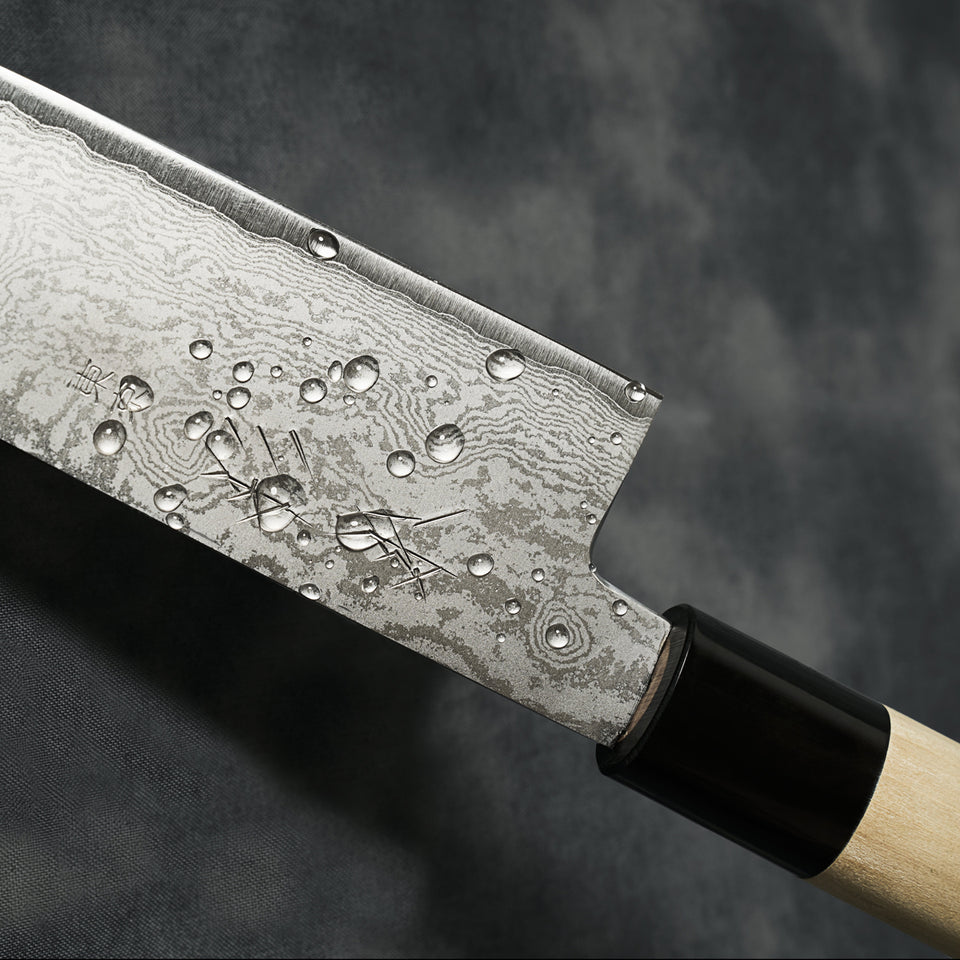
Preventing your Japanese knife from getting rusty after each use requires some care and maintenance. Here are a few tips to help you keep your knife rust-free:

1. Wash and dry the knife after each use

After using your knife, wash it with warm, soapy water and dry it thoroughly with a clean cloth. This tip will help to remove any food particles or moisture that could lead to rust.

2. Avoid soaking the knife

Do not soak your knife in water for an extended period, as this can lead to rust. Instead, clean it immediately after use.

3. Avoid acidic or salty foods

Acidic or salty foods like tomatoes or citrus fruits can cause your knife to rust more quickly. Avoid cutting these foods with a wet blade, and try to wipe the blade clean between cuts.

4. Use a soft cloth to wipe the knife

Use a soft, dry cloth to wipe the knife after washing it. Avoid using abrasive materials like steel wool or scrub pads that can scratch the blade.

5. Store the knife properly

Store your knife in a dry and well-ventilated place. Avoid storing it in a damp or humid environment, as this can lead to rust.

6. Apply a protective coating

You can apply a thin layer of mineral oil or food-grade silicone oil to the blade to protect it from rust. Wipe a small amount of oil onto the blade with a soft cloth and let it sit for a few minutes before wiping it off with a clean, dry cloth.

By following these tips, you can help to prevent your Japanese knife from rusting after each use and extend the life of the knife.
How can I prevent my Japanese knife from getting rusty after each use?

But I only read it now, and there is rust on my Japanese knife; how do I remove it?

To remove rust from your Japanese knife, you can try the following steps:

1. First, clean the knife

Before removing rust from your knife, clean it with warm soapy water and a soft cloth. Then, rinse it thoroughly and dry it with a clean, dry cloth.

2. Create a rust removal solution

Mix baking soda and water to create a paste that you can apply to the rusted areas of the blade. Alternatively, you can use a commercial rust remover.

3. Apply the rust removal solution

Apply the rust removal solution to the rusted areas of the blade with a soft cloth. Gently rub the solution onto the rust until it begins to dissolve.

4. Let the solution sit

Allow the rust removal solution to sit on the rusted areas of the blade for a few minutes to dissolve the rust.

5. Scrub the blade

Using a soft-bristled brush, such as a toothbrush, gently scrub the rusted areas of the blade. Be careful not to use a hard-bristled brush that can scratch the blade.

Removing rust from a Japanese knife can take time and effort, and in some cases, it may not be possible to remove all of the rust completely. If you need help with how to proceed, it's best to consult a professional knife sharpener or repair specialist.

All Japanese knives require proper cleaning and maintenance to prevent rust and damage and to maintain their sharpness. Therefore, it's important to follow the manufacturer's care instructions and to clean and dry your knife after each use, store it properly, and sharpen it regularly using appropriate techniques and tools.

How Can I Prevent My Japanese Knife From Getting Rusty After Each Use? — Frequently Asked Questions

What's the single most important habit for preventing rust?

Drying the blade completely within a minute of washing. Even a small drop of water left on the blade will start a rust spot within hours, especially on carbon steel. Use a clean towel, wipe both sides of the blade thoroughly, then leave it on the counter for another minute to air-dry residual moisture before putting it away. The whole process takes under a minute and prevents nearly every rust problem home cooks see. Hand-washing immediately after use is a close second — never let the knife sit dirty in a sink.

What kind of oil should I use on a carbon steel knife?

Camellia oil (tsubaki abura) is the traditional Japanese choice — refined, food-safe, doesn't go rancid, and a small bottle lasts years. If you can't find camellia, food-grade mineral oil works just as well at a fraction of the cost. Avoid cooking oils — olive, vegetable, and sesame all go rancid and gum up the blade. Also avoid 3-in-1 or other industrial oils that aren't food-safe. A thin film, applied with a soft cloth once a week or before long storage, is all the blade needs.

How often does a stainless Japanese knife actually need oiling?

For everyday use, never — stainless steel doesn't need oil between uses. The chromium content (12%+ in any real stainless) forms a protective oxide layer naturally. Where oiling stainless makes sense is for long-term storage (months without use) or in extremely humid climates near the ocean, where even stainless can develop spotting. For normal kitchen rotation, just wash, dry, and store — no oil required.

Can I leave the knife in a wooden block, or does that trap moisture?

A knife block is fine as long as you dry the blade completely before sliding it in. The wood inside the slot can absorb tiny amounts of residual moisture, which over months can cause spotting on a slightly damp blade. The fix is the same: dry thoroughly first. Magnetic strips and sayas (wooden sheaths) are slightly better in humid climates because they don't trap any air around the blade. Read our longevity guide for storage options.

Liquid error (snippets/blog-post-banner line 58): invalid url input

My knife came with rust spots already — is that a manufacturing defect?

Probably shipping moisture, not a defect. Knives sitting in cardboard packaging in transit can develop tiny surface rust spots if any humidity gets in, especially carbon steel blades. Light surface rust polishes off easily with a wine cork dipped in baking soda paste, and once removed it doesn't come back. If the rust is deep pitting that can't be polished off, that's a real defect — contact the seller for replacement. Read our corrosion vs oxidation guide for the difference.

Liquid error (snippets/blog-post-banner line 58): invalid url input

Related products

1 review

Gyuto Knife with Japanese Handle - All-purpose Premium Japanese Artisanal Knife

$360.00
Quick view

The Japanese Gyuto knife is the ultimate multi-purpose blade, perfect for everyone from beginner home cooks to seasoned chefs. As the Japanese counterpart to the Western chef’s knife—only thinner, lighter, and sharper—it excels at chopping, slicing, and dicing almost anything in the kitchen with effortless precision. This variation features a beautiful maple-wood handle that not only adds a natural, elegant aesthetic but also provides a smooth, earthy texture for enhanced control and comfort. Crafted with CM stainless steel, it offers exceptional sharpness, durability, and rust resistance, ensuring years of effortless slicing. With a blade length of 180mm (7.1 inches) and a double bevel edge, this handmade, hand-braided, and hand-sharpened Gyuto is a versatile and essential tool that elevates both the appearance and taste of your culinary creations. This product is available for shipping within the USA only.

Santoku Knife - Premium Japanese Artisanal Knife

$250.00
Quick view

The Santoku knife is revered for its control, precision, and sharpness, making it the master of slicing, mincing, and dicing in both professional and home kitchens. Traditionally favored for high-precision tasks like sushi and sashimi preparation, its versatility extends to cutting meat, fish, and vegetables with ease, supported by a comfortable, easy-to-control handle. Handmade by master bladesmiths using techniques passed down through generations, each Santoku offers extraordinary quality that elevates every slice. Named after the "Three Virtues"—meat, vegetables, and fish—the Santoku’s shorter, thicker, straight-edged blade with a sheep foot-shaped tip enhances the appearance, taste, and texture of your food while delivering exceptional performance with minimal maintenance, thanks to its CM stainless steel and Western-style handle. With a blade length of 170mm (6.7 inches), it is the ultimate daily knife for any cooking enthusiast.

1 review

Nakiri Knife - Vegetable Cutting/Slicing/Mincing Premium Japanese Artisanal Knife

$290.00
Quick view

The Nakiri knife (菜切包丁) is a highly versatile and efficient tool, traditionally used in Japan for cutting vegetables with supreme speed and precision. Its thin, lightweight rectangular blade allows for quick, clean, and effortless slicing without the need for a rocking motion, keeping your knuckles safely away from the cutting board while delivering beautifully thin, even slices every time. Perfect for delicate vegetables and even light filleting tasks, the Nakiri offers incredible control and minimizes damage to ingredients, preserving their flavor and texture. Handmade and sharpened by master bladesmiths, this 165mm (6.5 inches) knife features a traditional Japanese magnolia wood handle with a plastic collar and is available with either CM Stainless for easy maintenance or Kasumi Superlative Carbon Steel for a more traditional sharpening experience. With its unparalleled usability from tip to tail, the Nakiri is an invaluable asset for anyone seeking speed, consistency, and elegance in their kitchen work.

1 review

Petty Knife with Japanese Handle - Premium Artisanal Knife

$179.00
Quick view

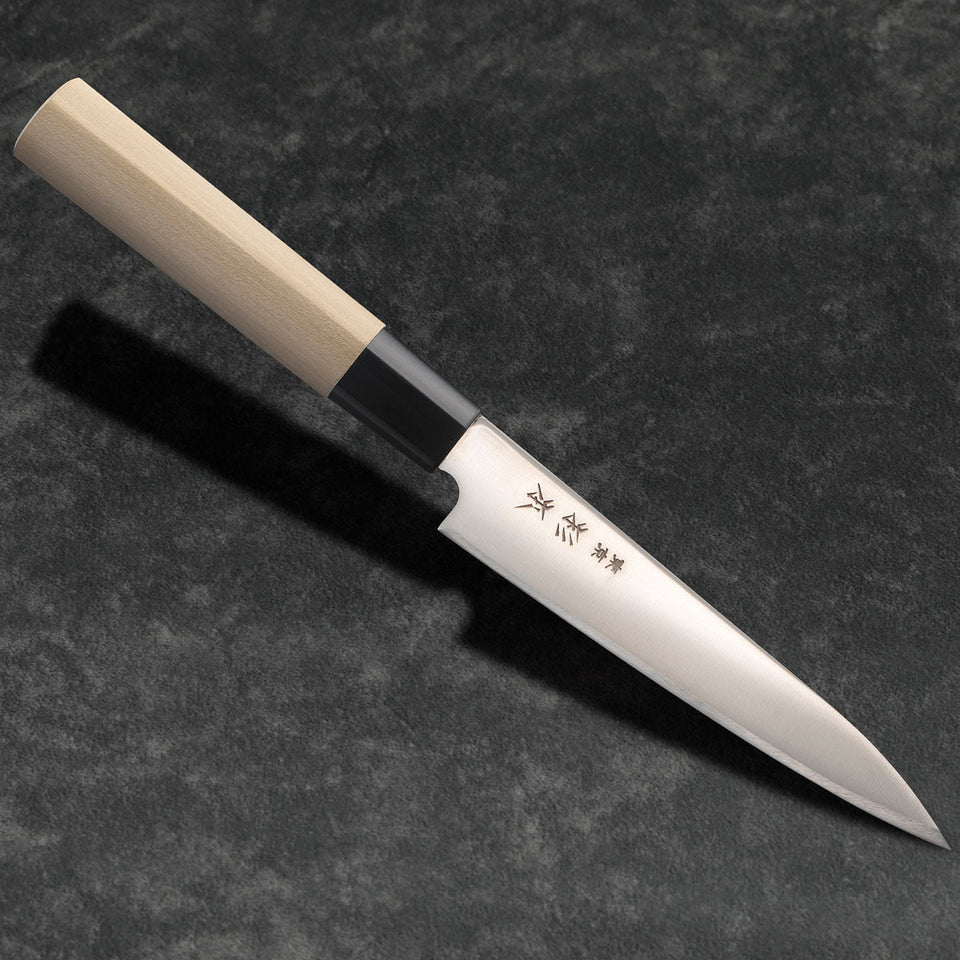
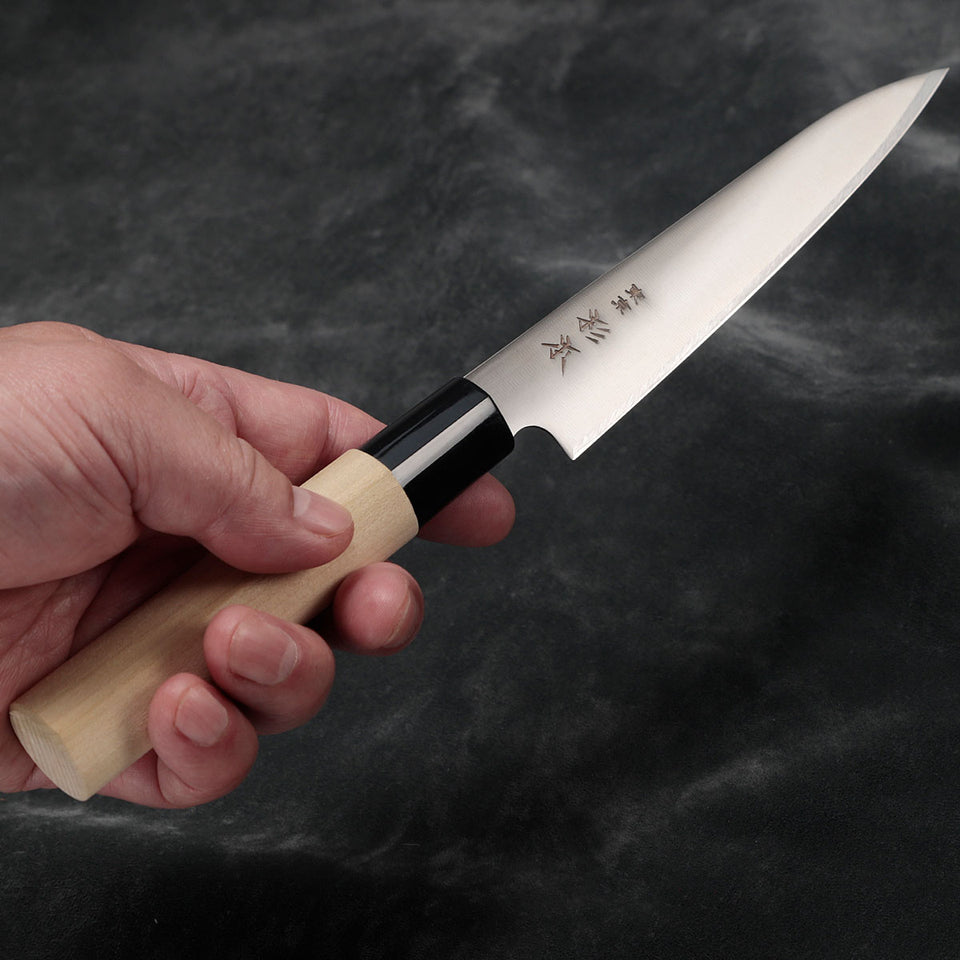
The Japanese-style Petty Knife is a premium artisanal blade designed for maximum control and precision, perfect for peeling, slicing, shaping, and trimming in tight spaces. Its fine-tipped 150mm (5.9 inches) blade unlocks new levels of creativity in shaping and presentation, helping elevate the beauty of every dish you create. Featuring a traditional maple-wood handle, it offers a smooth, natural texture that feels as good as it looks, making it a joy to use. Handmade and sharpened by master bladesmiths, this knife guarantees prolonged sharpness, durability, and effortless slicing for years, making it an essential tool for passionate home cooks and professional chefs who take pride in every cut. Crafted from CM stainless steel for rust resistance and low maintenance, the Japanese Petty Knife blends beauty, functionality, and lasting performance into one exceptional kitchen companion.

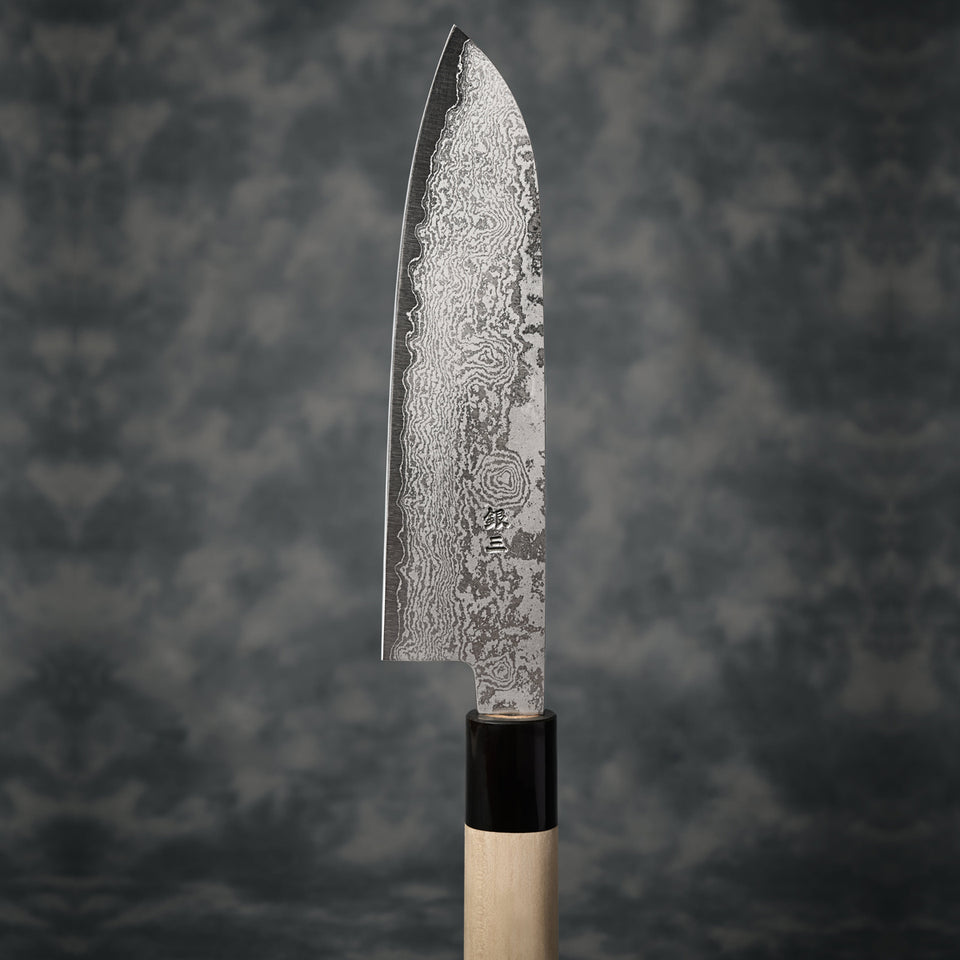
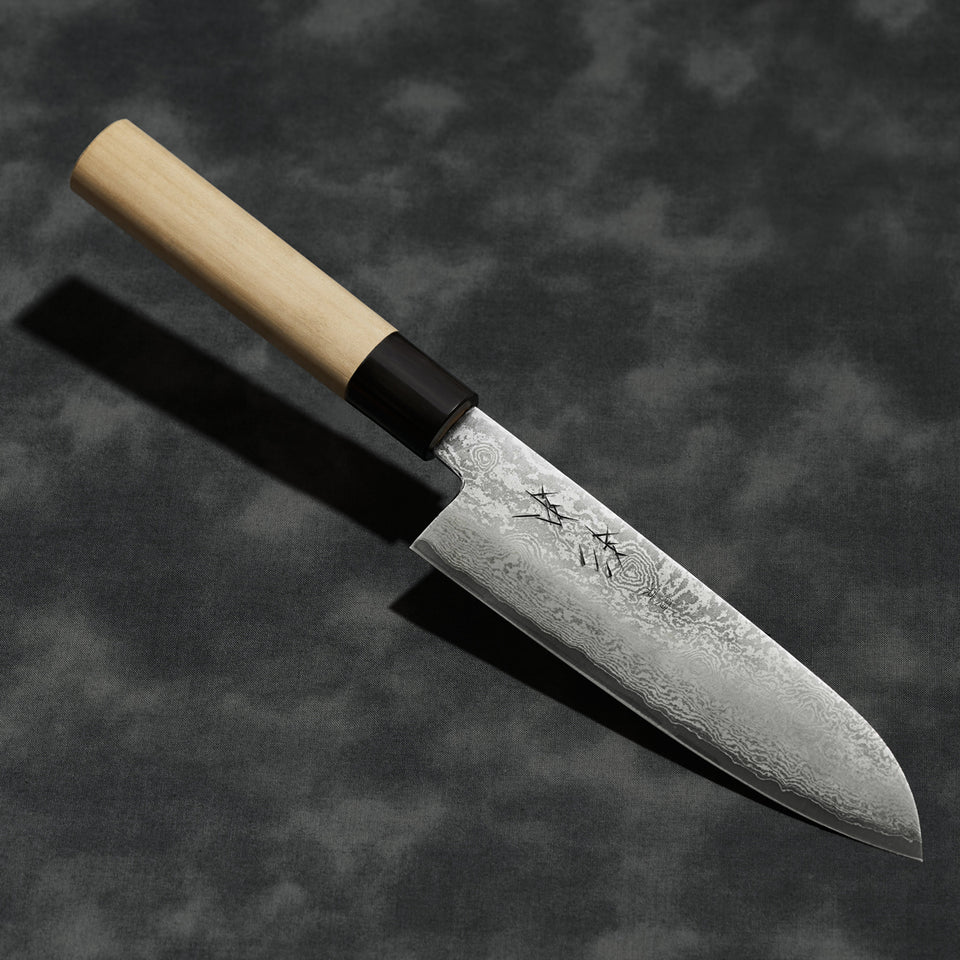
Damascus Santoku Knife with Japanese Handle - All-purpose Premium Japanese Artisanal Knife

$1,199.00
Quick view

A true masterpiece of craftsmanship, our Japanese Damascus Santoku knife beautifully unites exquisite patterns with exceptional performance. Crafted entirely in Japan by skilled artisan bladesmiths, each blade showcases the iconic wave-like Damascus patterns, symbolizing timeless Japanese aesthetics and superior quality. Unlike mass-produced imitations with printed patterns, our genuine Damascus blade is meticulously forged through the traditional layering and folding process, requiring over 200 hours of expert dedication to create a knife of remarkable strength, flexibility, and beauty.

This premium Santoku, embodying the revered "three virtues," excels at slicing vegetables, meat, and fish with precision and ease, making it the perfect daily companion for both home cooks and professional chefs. Made from CM stainless steel for rust resistance and low maintenance, the knife features a high-quality magnolia wood handle, available with either a plastic or buffalo horn collar. With a blade length of 180mm (7.1 inches) and a double bevel edge, this limited-production Santoku offers unmatched versatility, durability, and artistry—bringing both function and tradition to your kitchen.


Related Articles You May Be Interested

How Often Should I Bring a Knife for Sharpening
Corrosion vs. Oxidation
Anatomy of
Japanese Knife
The Anatomy of a Knife – Everything You Need to Know about Parts of a Japanese Knife
Everything You Need to Know about Japanese Knife Materials
What is Carbon Steel?

Get Free Bonus Books

Join Japanese Knife Club

Sign up for free to the Japanese Knife Club to get advice and exclusive articles about how to choose Japanese Knives, and tips and tricks for using Japanese knives.

Unsubscribe anytime. It’s free!

About the author

Kei Nishida

Author, CEO Dream of Japan

info@dreamofJapan.com

Certification: PMP, BS in Computer Science

Education: Western Washington University

Kei Nishida is a passionate advocate of Japanese craftsmanship, a writer, and the founder and CEO of Japanese Knife Co., Japanese Green Tea Co., and Japanese Coffee Co., all part of Dream of Japan.

His journey began with a mission to introduce the world to the exquisite flavors of Japanese green tea. Through Japanese Green Tea Co., he pioneered the import of premium tea grown in nutrient-rich sugarcane soil, earning multiple Global Tea Champion awards. He then expanded into the world of coffee, launching Japanese Coffee Co., the first company to bring Sumiyaki charcoal-roasted coffee to a global audience.

With a deep appreciation for Japanese artistry and tradition, Kei turned his attention to one of Japan’s most revered crafts: bladesmithing. Through Japanese Knife Co., he made handcrafted katana-style knives, created by a renowned katana maker, available outside Japan for the first time. These exceptional knives embody centuries of samurai sword-making expertise, blending tradition with modern functionality for chefs and collectors alike.

Kei’s journey continues as he uncovers and shares Japan’s hidden treasures—one sip, one blade, and one legacy at a time.

Related Posts

How to Choose Your First Japanese Knife

Learn about the craft of Japanese knifemaking and find your ideal fit. You can browse the many types and features with t

Read More
Houchoushiki - A ceremony that celebrates the art of Japanese Knives
Houchoushiki (庖丁式) - A Ceremony that Celebrates the Art of Japanese Knives

The Houchoushiki ceremony is a beautiful celebration of Japan's knife culture. Originating from Edo period, it honors th

Read More
Leave a comment

Your email address will not be published..

Your cart is currently empty.

Start Shopping

Select options