Skip to content

Why You Should Not Use Dishwasher to clean Japanese knives?

Like most people, you probably believed you'd never have to wash dishes by hand again after you got a dishwasher. Hold on a second. Your knife, which you probably use several times daily, is one of the few kitchen implements that should not be cleaned in the dishwasher. It's rare and pricey, and the dishwasher is killing it slowly.

The Truth About Your Knife and the Dishwasher

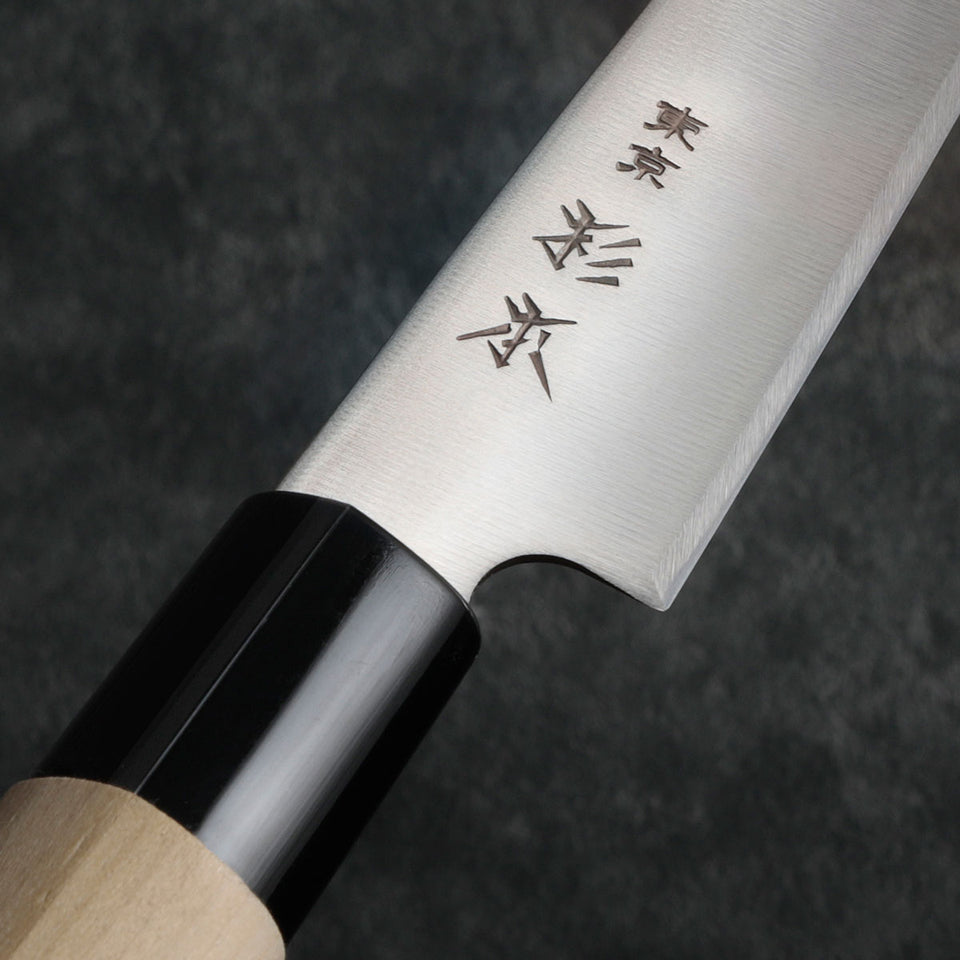
To begin with, there is the oppressive heat and muggy air. You probably despise being sweaty and drenched, and neither does your knife. Steel and handles are especially vulnerable to a dishwasher's intense heat and moisture. In particular, if your knife is made of carbon steel (which rusts easily) and has a wooden handle, you should take this precaution. Then, the turbulent air arrives.
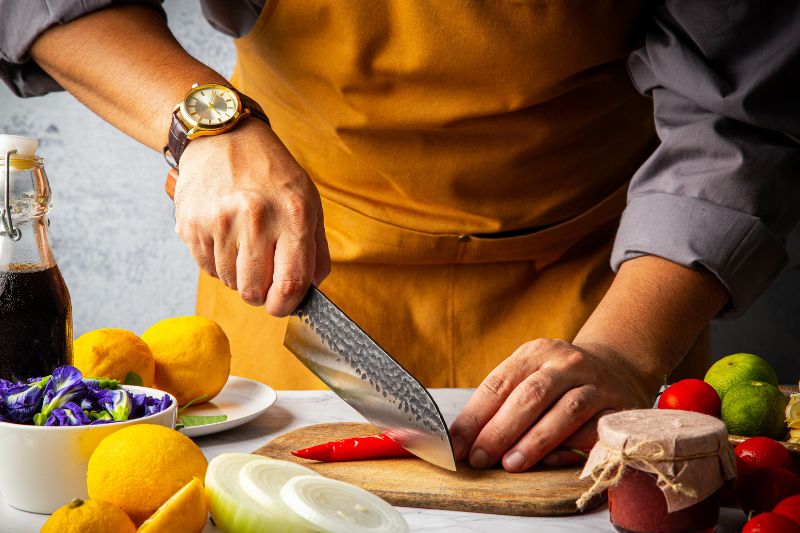
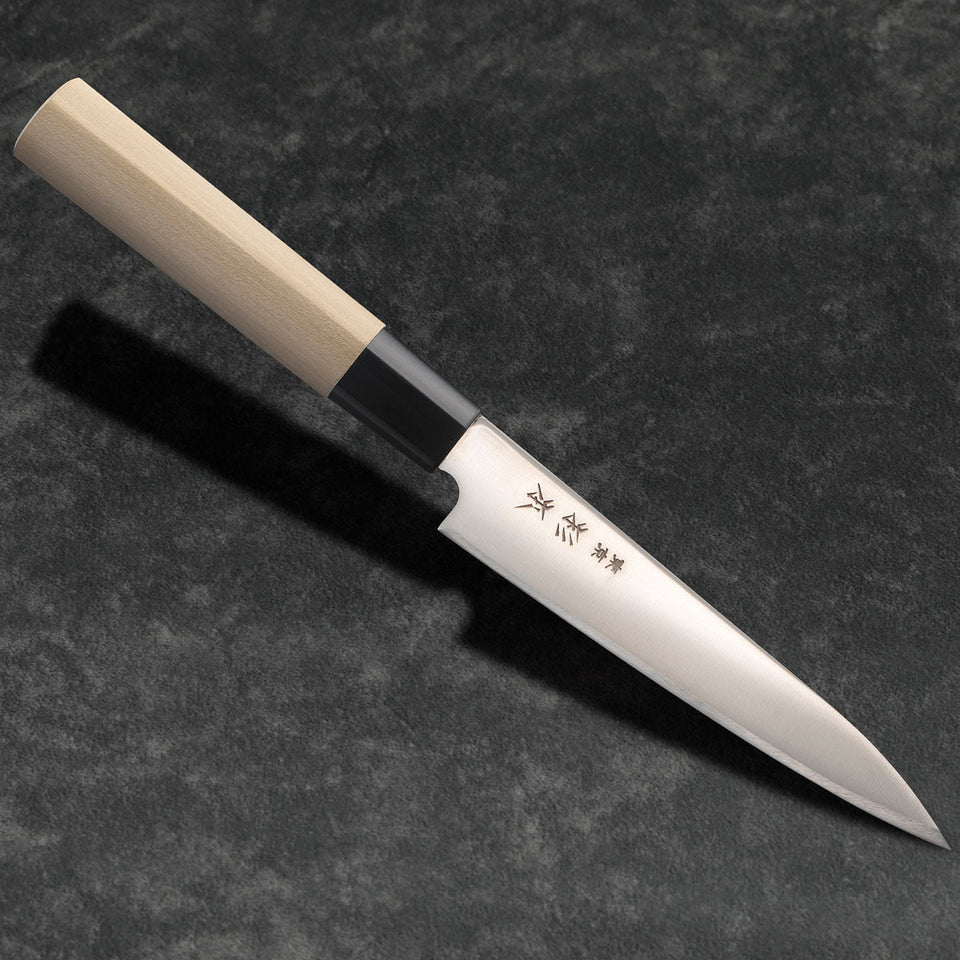
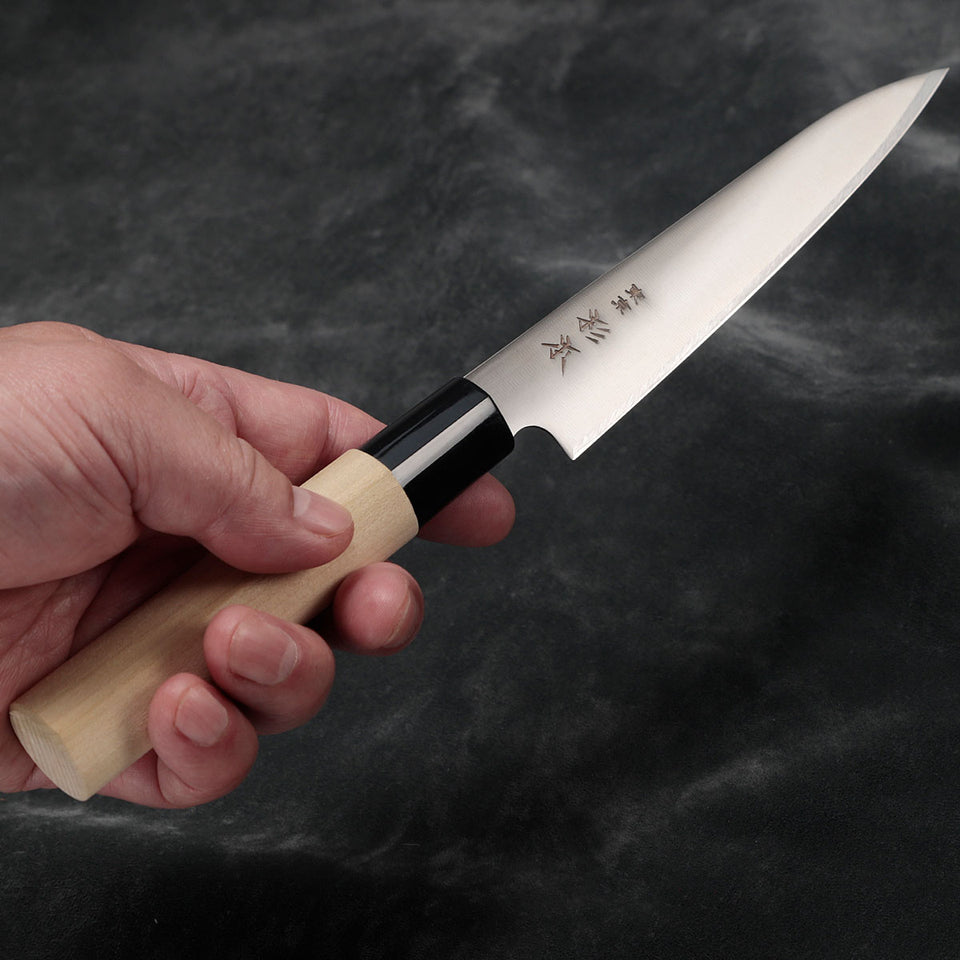
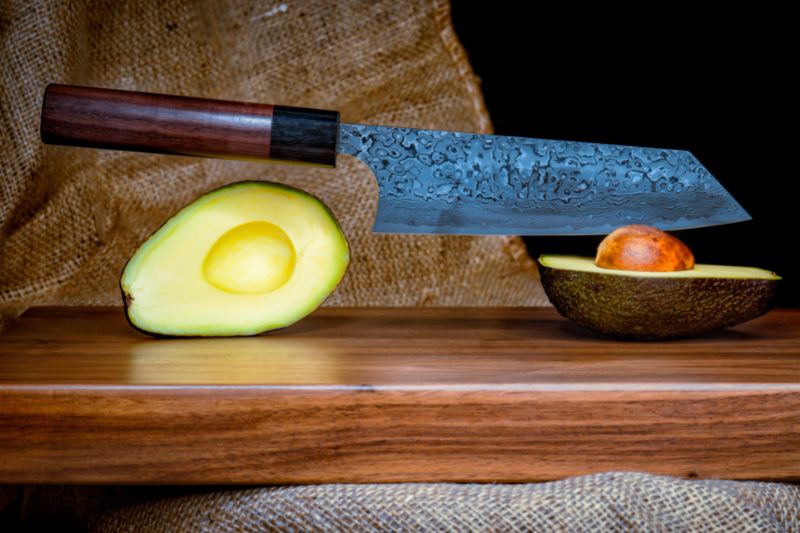
Japanese Knife

A knife's edge is especially vulnerable to the water jets in a dishwasher, which can also cause the knife to bang around and potentially damage other dishes.

Furthermore, ceramic knives are especially vulnerable due to their fragility. The blade can be chipped or broken in half in a single cycle. Additionally, detergents can be as dangerous as the machinery itself, as they can dull or discolour knives.

Last but not least, there's the issue of everything else—including your fingers when you unload the dishwasher—that you put there. Glasses, plates, and the machine are fair game for your knives. Injuries are possible if you point them up, while utensil baskets are damaged if you point them down.

Why You Should Not Use Dishwasher to clean Japanese knives? — Frequently Asked Questions
How fast will a single dishwasher cycle damage my Japanese knife?

Faster than you'd expect. One cycle: noticeable edge dulling from the alkaline detergent and the high-temperature wash. Two to three cycles: visible spotting or rust on a carbon-steel blade. Five to ten cycles over a few months: the wooden handle (especially wa handles) starts loosening as the wood expands and contracts. After a year of regular dishwashing, even a $300 knife is meaningfully damaged in ways that are hard to reverse. The 30 seconds it takes to hand-wash genuinely save the knife.

I rinsed my knife and accidentally put it in the dishwasher anyway — what should I do now?

Pull it out as soon as you remember, hand-wash, dry completely, and inspect the edge with a tomato test. If the knife still bites a tomato on its own weight, you got lucky — wipe a thin film of food-safe oil if it's carbon steel and continue. If the edge has dulled noticeably, plan a sharpening session within the next week. If you see new rust spots, polish them off with a wine cork dipped in baking soda paste before they spread. Don't panic — one accidental cycle is recoverable; it's the repeated cycles that ruin the blade. Read our rust prevention guide.

Liquid error (snippets/blog-post-banner line 58): invalid url input

Are there any "dishwasher safe" Japanese knives?

Some lower-end Japanese stainless knives are marketed as dishwasher safe, but the marketing is more about avoiding warranty claims than about the dishwasher being good for the knife. Even on a "safe" stainless blade, repeated dishwasher cycles dull the edge faster than hand-washing, and the knife clanging against other items in the rack can chip the edge. The label means "won't structurally fail," not "performs well." Hand-wash anyway — it takes 30 seconds and adds years of cutting performance.

Why does the dishwasher specifically damage the handle?

Heat and humidity cycling. Wood expands when it absorbs moisture and contracts when it dries — a dishwasher cycle does both within an hour, repeatedly. Over many cycles, the wood swells and shrinks until the fit between handle and tang loosens, the rivets work loose on Western handles, and cracks develop along the grain. Wa-handle knives (Japanese style with hidden tang) are slightly more vulnerable because the friction-fit relies on the wood's tight grip; once the wood shrinks slightly, the blade can wobble. Hand-wash and the handle lasts decades.

Is hand-washing actually less hygienic than the dishwasher?

No — hand-washing with hot soapy water removes bacteria as effectively as a dishwasher cycle, and you don't leave the knife sitting in a damp environment for hours afterward. The dishwasher's "sanitize" cycle uses higher temperatures than hand-washing, but for a kitchen knife rinsed with hot water and dried immediately, that level of sanitization is overkill — there's no food residue left to harbor bacteria. The hygiene argument for dishwashing kitchen knives is mostly a misconception.

Related products

1 review

Gyuto Knife with Japanese Handle - All-purpose Premium Japanese Artisanal Knife

$360.00
Quick view

The Japanese Gyuto knife is the ultimate multi-purpose blade, perfect for everyone from beginner home cooks to seasoned chefs. As the Japanese counterpart to the Western chef’s knife—only thinner, lighter, and sharper—it excels at chopping, slicing, and dicing almost anything in the kitchen with effortless precision. This variation features a beautiful maple-wood handle that not only adds a natural, elegant aesthetic but also provides a smooth, earthy texture for enhanced control and comfort. Crafted with CM stainless steel, it offers exceptional sharpness, durability, and rust resistance, ensuring years of effortless slicing. With a blade length of 180mm (7.1 inches) and a double bevel edge, this handmade, hand-braided, and hand-sharpened Gyuto is a versatile and essential tool that elevates both the appearance and taste of your culinary creations. This product is available for shipping within the USA only.

Santoku Knife - Premium Japanese Artisanal Knife

$250.00
Quick view

The Santoku knife is revered for its control, precision, and sharpness, making it the master of slicing, mincing, and dicing in both professional and home kitchens. Traditionally favored for high-precision tasks like sushi and sashimi preparation, its versatility extends to cutting meat, fish, and vegetables with ease, supported by a comfortable, easy-to-control handle. Handmade by master bladesmiths using techniques passed down through generations, each Santoku offers extraordinary quality that elevates every slice. Named after the "Three Virtues"—meat, vegetables, and fish—the Santoku’s shorter, thicker, straight-edged blade with a sheep foot-shaped tip enhances the appearance, taste, and texture of your food while delivering exceptional performance with minimal maintenance, thanks to its CM stainless steel and Western-style handle. With a blade length of 170mm (6.7 inches), it is the ultimate daily knife for any cooking enthusiast.

1 review

Nakiri Knife - Vegetable Cutting/Slicing/Mincing Premium Japanese Artisanal Knife

$290.00
Quick view

The Nakiri knife (菜切包丁) is a highly versatile and efficient tool, traditionally used in Japan for cutting vegetables with supreme speed and precision. Its thin, lightweight rectangular blade allows for quick, clean, and effortless slicing without the need for a rocking motion, keeping your knuckles safely away from the cutting board while delivering beautifully thin, even slices every time. Perfect for delicate vegetables and even light filleting tasks, the Nakiri offers incredible control and minimizes damage to ingredients, preserving their flavor and texture. Handmade and sharpened by master bladesmiths, this 165mm (6.5 inches) knife features a traditional Japanese magnolia wood handle with a plastic collar and is available with either CM Stainless for easy maintenance or Kasumi Superlative Carbon Steel for a more traditional sharpening experience. With its unparalleled usability from tip to tail, the Nakiri is an invaluable asset for anyone seeking speed, consistency, and elegance in their kitchen work.

1 review

Petty Knife with Japanese Handle - Premium Artisanal Knife

$179.00
Quick view

The Japanese-style Petty Knife is a premium artisanal blade designed for maximum control and precision, perfect for peeling, slicing, shaping, and trimming in tight spaces. Its fine-tipped 150mm (5.9 inches) blade unlocks new levels of creativity in shaping and presentation, helping elevate the beauty of every dish you create. Featuring a traditional maple-wood handle, it offers a smooth, natural texture that feels as good as it looks, making it a joy to use. Handmade and sharpened by master bladesmiths, this knife guarantees prolonged sharpness, durability, and effortless slicing for years, making it an essential tool for passionate home cooks and professional chefs who take pride in every cut. Crafted from CM stainless steel for rust resistance and low maintenance, the Japanese Petty Knife blends beauty, functionality, and lasting performance into one exceptional kitchen companion.

Damascus Santoku Knife with Japanese Handle - All-purpose Premium Japanese Artisanal Knife

$1,199.00
Quick view

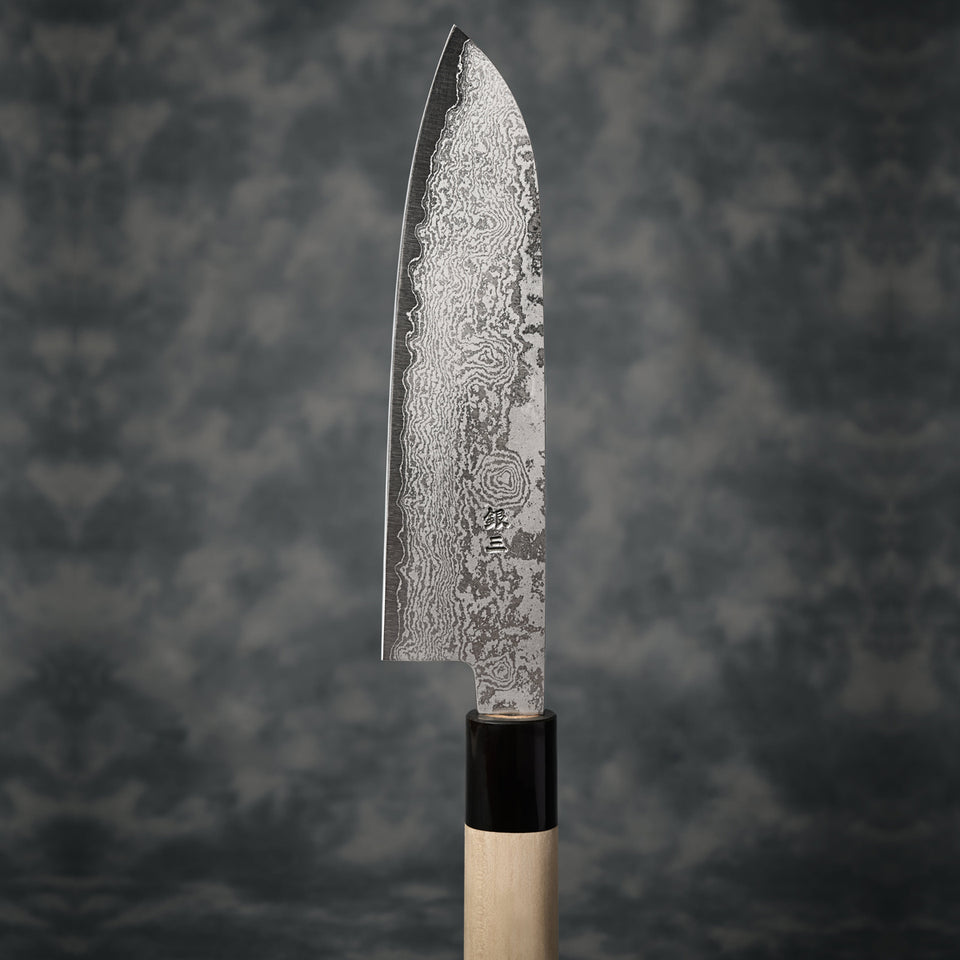
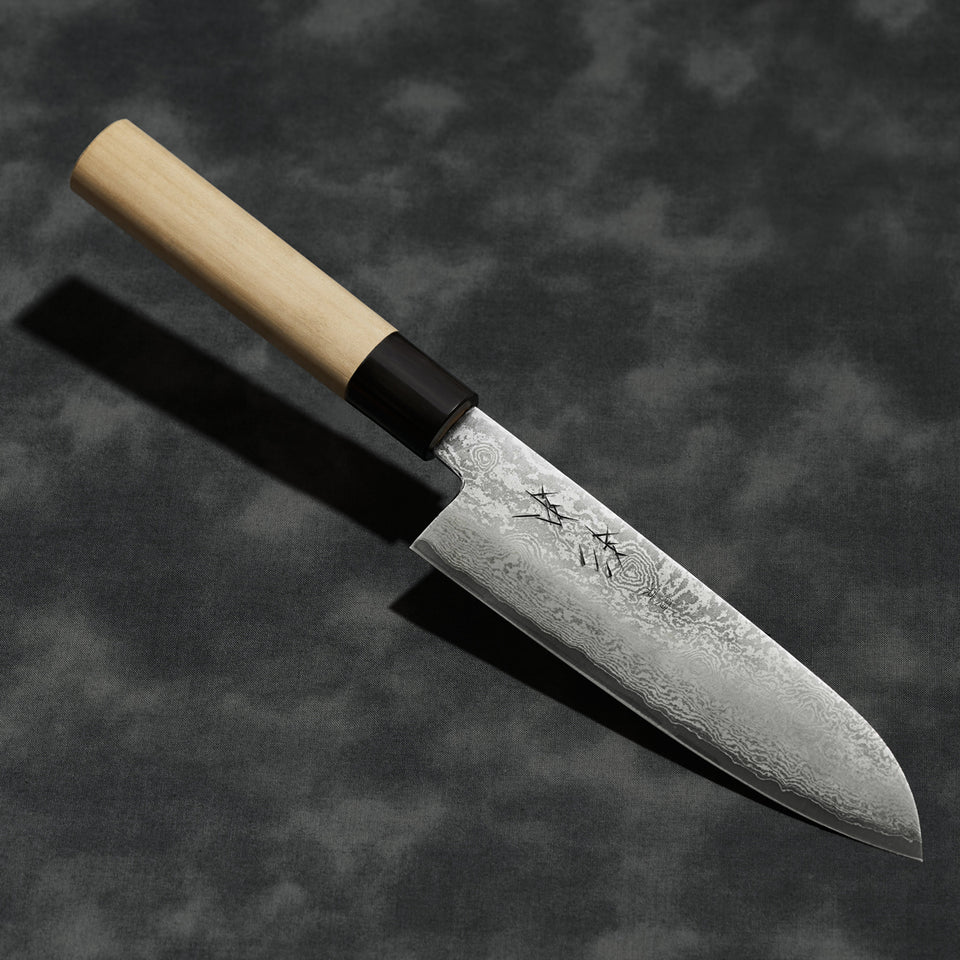
A true masterpiece of craftsmanship, our Japanese Damascus Santoku knife beautifully unites exquisite patterns with exceptional performance. Crafted entirely in Japan by skilled artisan bladesmiths, each blade showcases the iconic wave-like Damascus patterns, symbolizing timeless Japanese aesthetics and superior quality. Unlike mass-produced imitations with printed patterns, our genuine Damascus blade is meticulously forged through the traditional layering and folding process, requiring over 200 hours of expert dedication to create a knife of remarkable strength, flexibility, and beauty.

This premium Santoku, embodying the revered "three virtues," excels at slicing vegetables, meat, and fish with precision and ease, making it the perfect daily companion for both home cooks and professional chefs. Made from CM stainless steel for rust resistance and low maintenance, the knife features a high-quality magnolia wood handle, available with either a plastic or buffalo horn collar. With a blade length of 180mm (7.1 inches) and a double bevel edge, this limited-production Santoku offers unmatched versatility, durability, and artistry—bringing both function and tradition to your kitchen.


Related Articles You May Be Interested

Why you should not use bleach for a Japanese knife?
How to Choose a Japanese Knife
Everything you need to know about swordsmith Kawashima Kazuki (川島一城)
The Rockwell Hardness Scale, HRC, and Does It Matter For Your Knife?
Eight Types of Japanese Knives and How to Use

Get Free Bonus Books

Join Japanese Knife Club

Sign up for free to the Japanese Knife Club to get advice and exclusive articles about how to choose Japanese Knives, and tips and tricks for using Japanese knives.

Unsubscribe anytime. It’s free!

About the author

Kei Nishida

Author, CEO Dream of Japan

info@dreamofJapan.com

Certification: PMP, BS in Computer Science

Education: Western Washington University
Kei Nishida is a passionate advocate of Japanese craftsmanship, a writer, and the founder and CEO of Japanese Knife Co., Japanese Green Tea Co., and Japanese Coffee Co., all part of Dream of Japan.

His journey began with a mission to introduce the world to the exquisite flavors of Japanese green tea. Through Japanese Green Tea Co., he pioneered the import of premium tea grown in nutrient-rich sugarcane soil, earning multiple Global Tea Champion awards. He then expanded into the world of coffee, launching Japanese Coffee Co., the first company to bring Sumiyaki charcoal-roasted coffee to a global audience.

With a deep appreciation for Japanese artistry and tradition, Kei turned his attention to one of Japan’s most revered crafts: bladesmithing. Through Japanese Knife Co., he made handcrafted katana-style knives, created by a renowned katana maker, available outside Japan for the first time. These exceptional knives embody centuries of samurai sword-making expertise, blending tradition with modern functionality for chefs and collectors alike.

Kei’s journey continues as he uncovers and shares Japan’s hidden treasures—one sip, one blade, and one legacy at a time.

Related Posts

Japanese Knife Co. to introduces Premium Japanese Scissors

The Japanese Knife Co. introduces a new addition to their family of products: Premium Japanese Scissors. Emphasizing the

Read More
Is Single Bevel Only Japanese?

Single bevel knives, known for unmatched precision, aren't exclusive to Japanese blades but exemplify their craftsmanshi

Read More
How to Spot a Fake Japanese Knife

With the help of our in-depth tutorial, learn how to identify fake Japanese knives. Make sure you receive the genuine ar

Read More
Leave a comment

Your email address will not be published..

Your cart is currently empty.

Start Shopping

Select options