Skip to content

How to Spot a Fake Japanese Knife


It is nice to buy a Japanese knife, especially when in a bargain. Legitimate Japanese knife shops offer many promos or discounts, but when starting to buy a Japanese knife, spotting a fake Japanese knife can be challenging, as counterfeiters have become increasingly sophisticated in replicating the appearance of genuine products. However, several indicators can help you identify a potential fake. Here are some tips to spot an inauthentic, poorly-made or counterfeited Japanese knife:

1. Research the Brand

Familiarize yourself with reputable Japanese knife brands and their specific characteristics. Research the knife brand and understand its history, reputation, and product lines. Researching will help you recognize genuine products more efficiently.

2. Purchase from Authorized Sellers

Buy your Japanese knife from authorized retailers or trusted sources. Avoid purchasing from unknown or unverified sellers, particularly online marketplaces with dubious reputations. Authorized sellers are more likely to provide genuine products.

3. Price Discrepancies

Be cautious of unusually low prices for high-end Japanese knives. Authentic Japanese knives are typically crafted with precision and high-quality materials, making them relatively expensive. The knife may be a counterfeit if a deal appears too good to be true.

4. Blade Markings

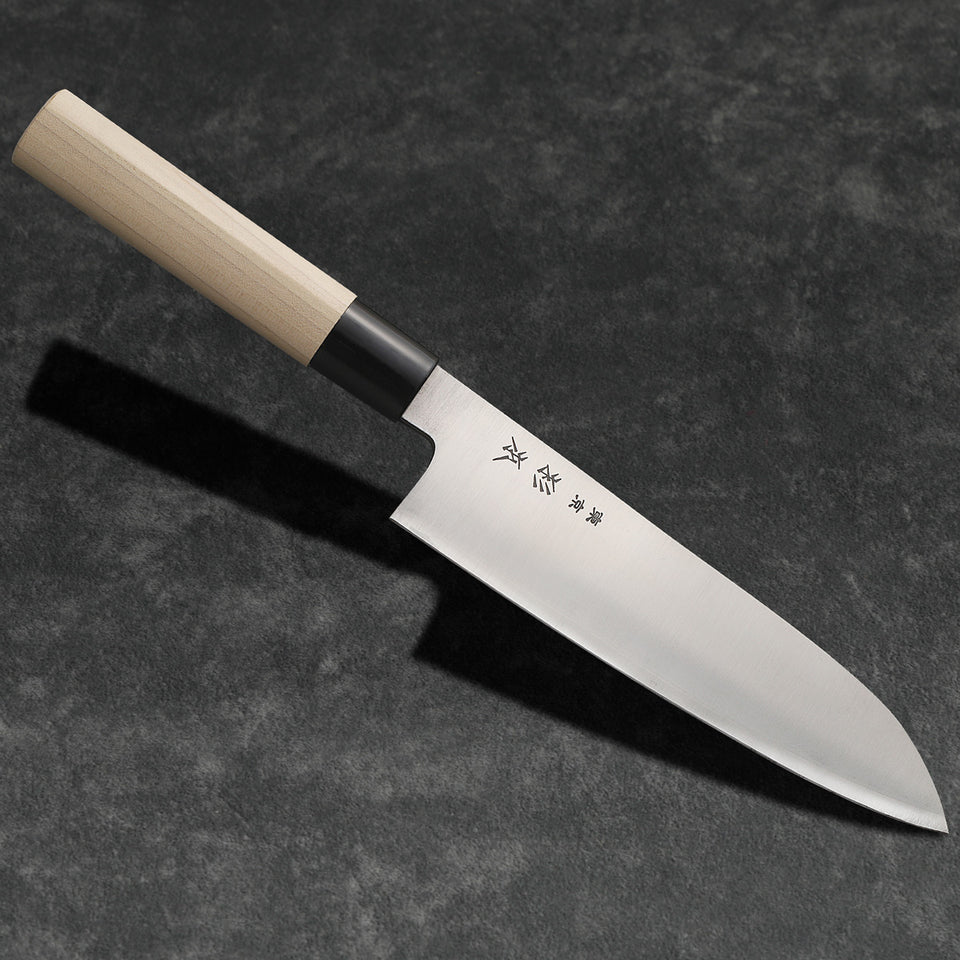
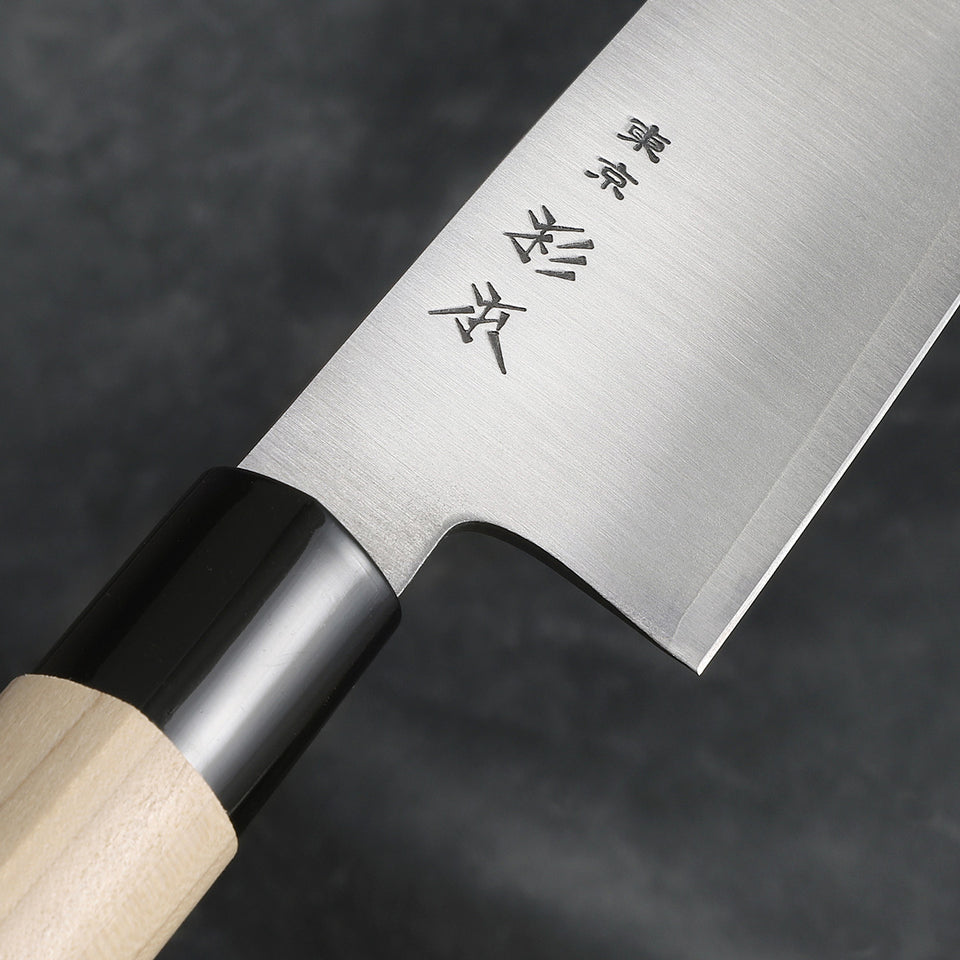
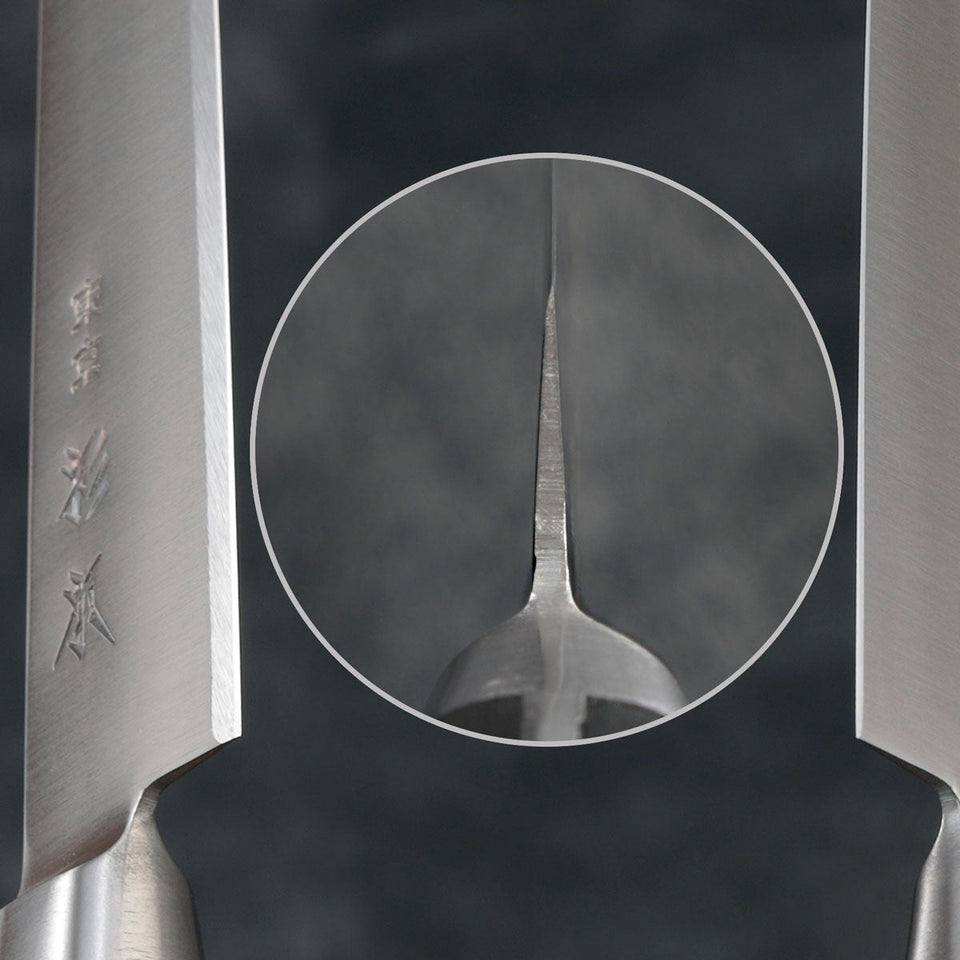
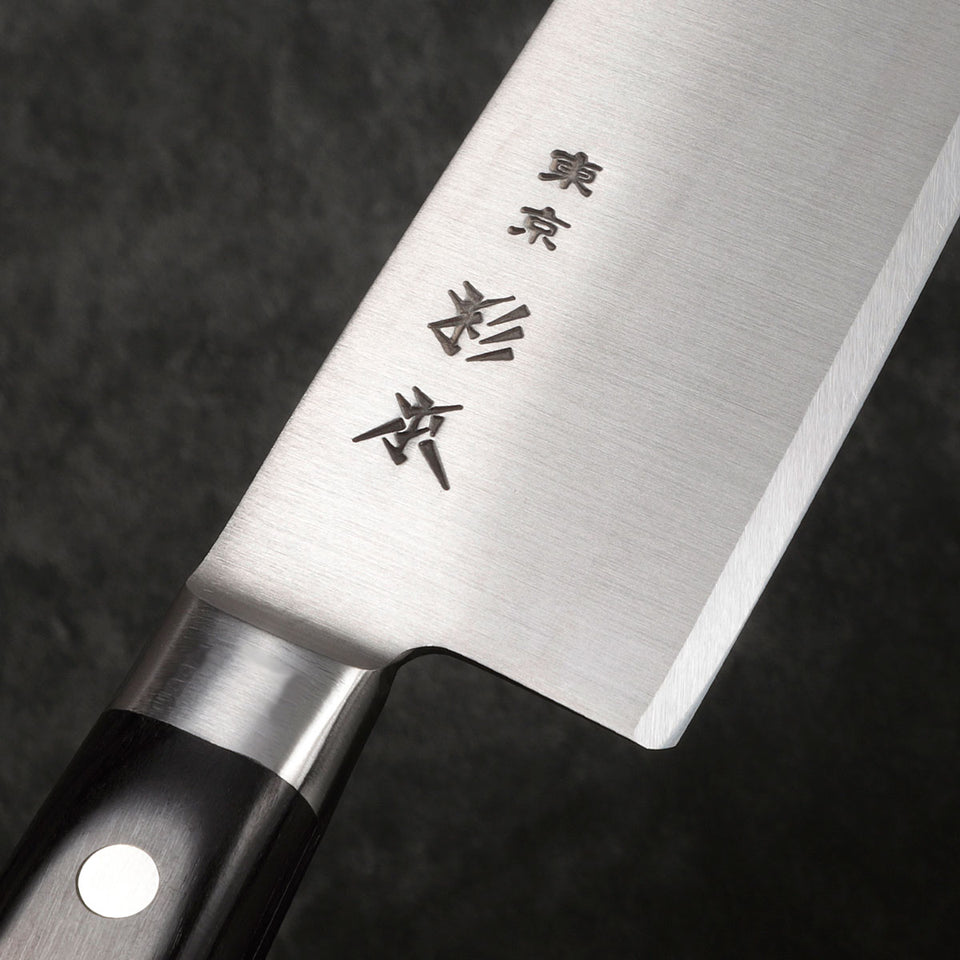
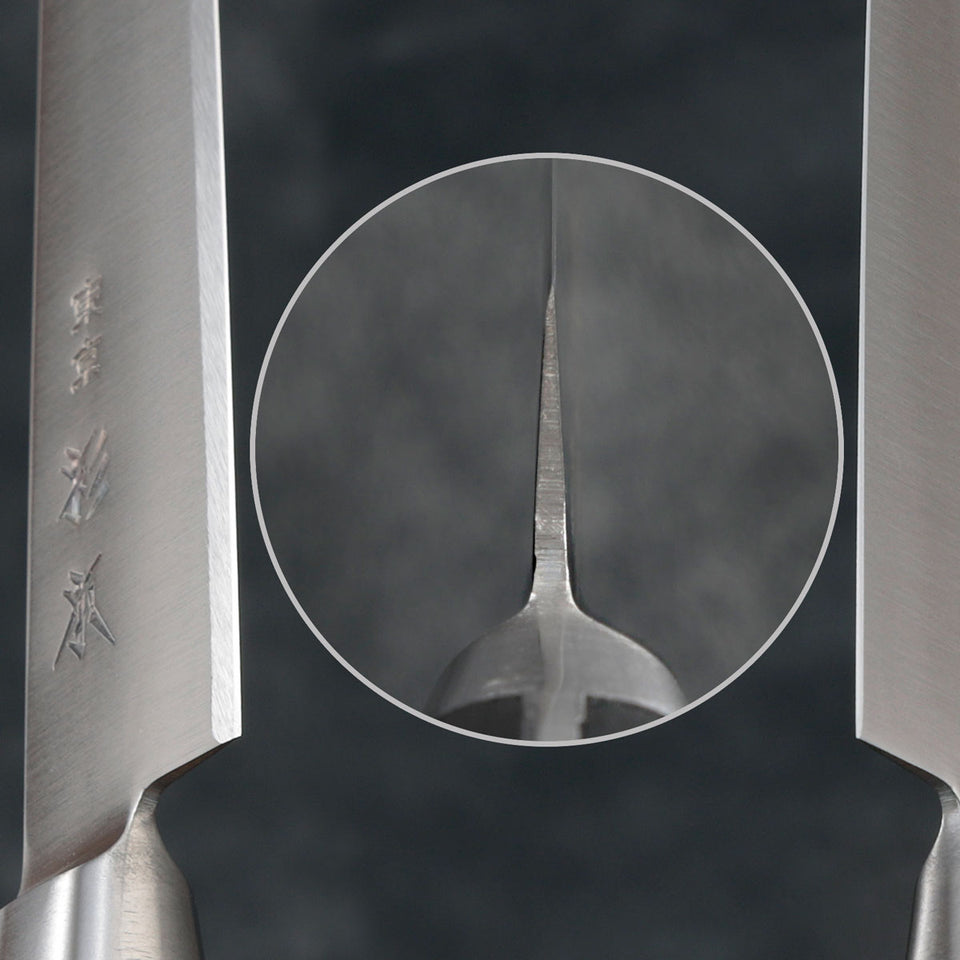
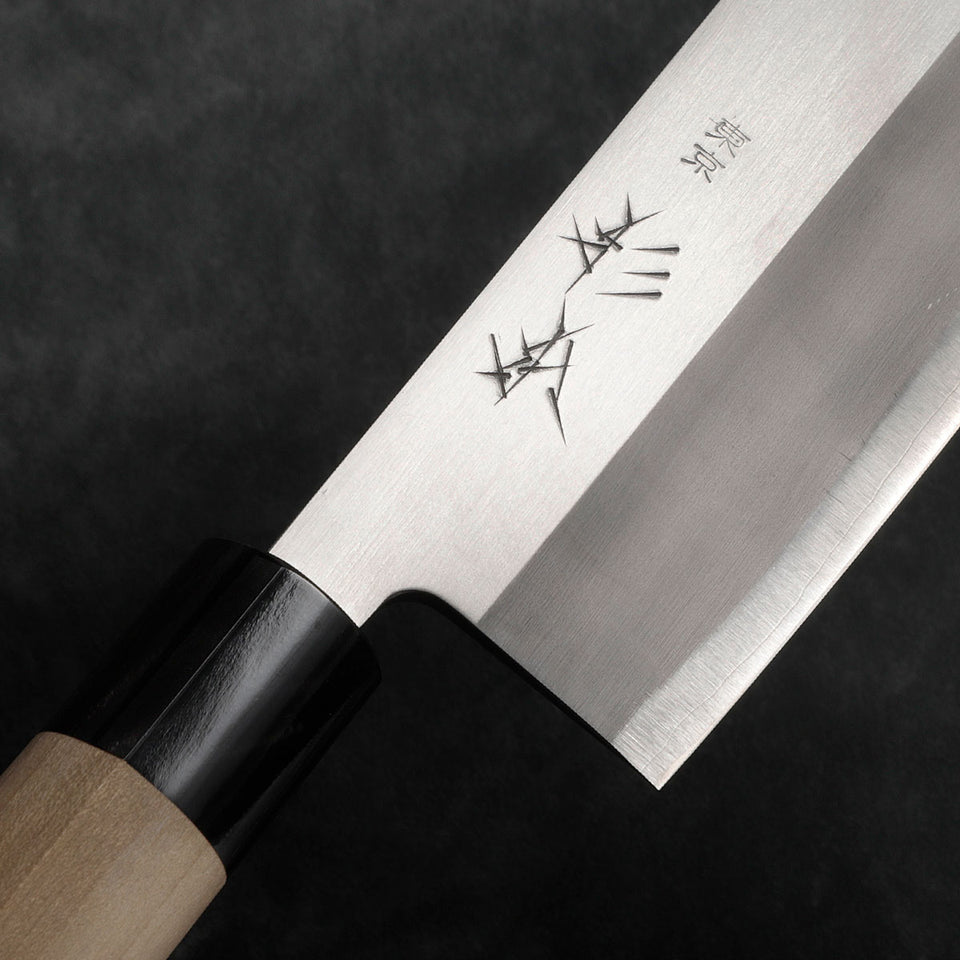
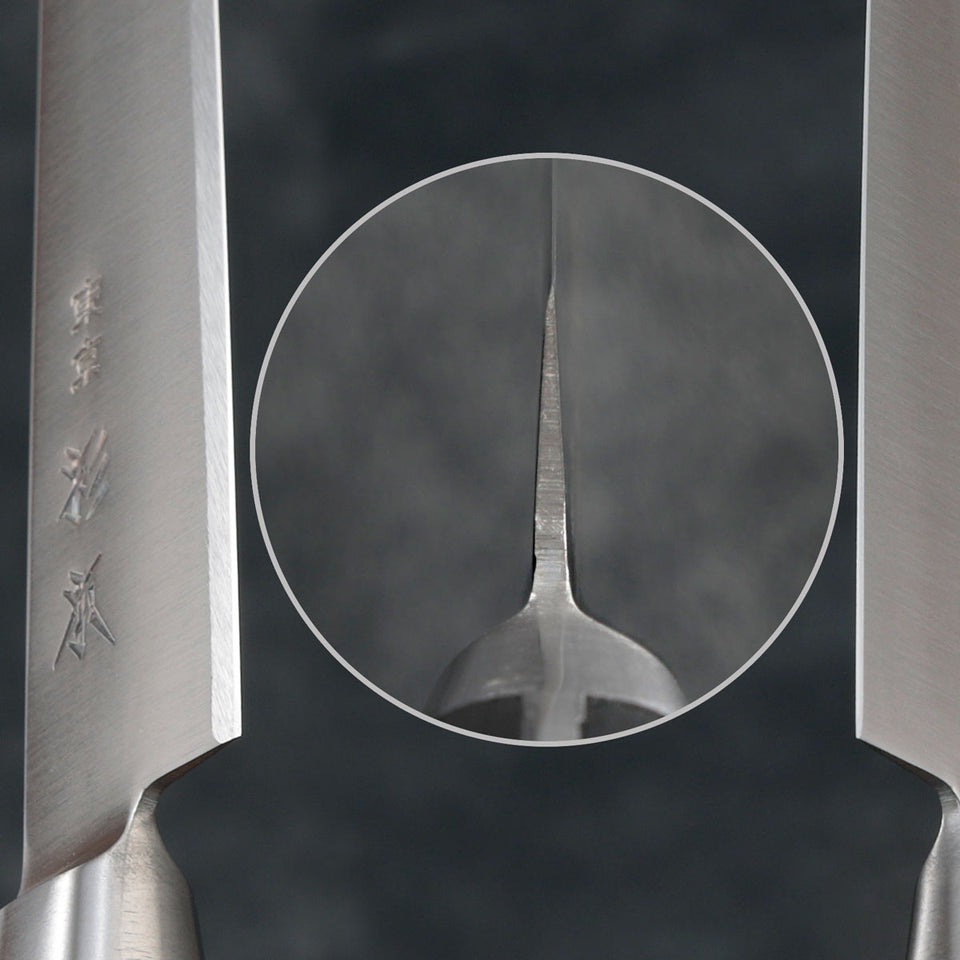
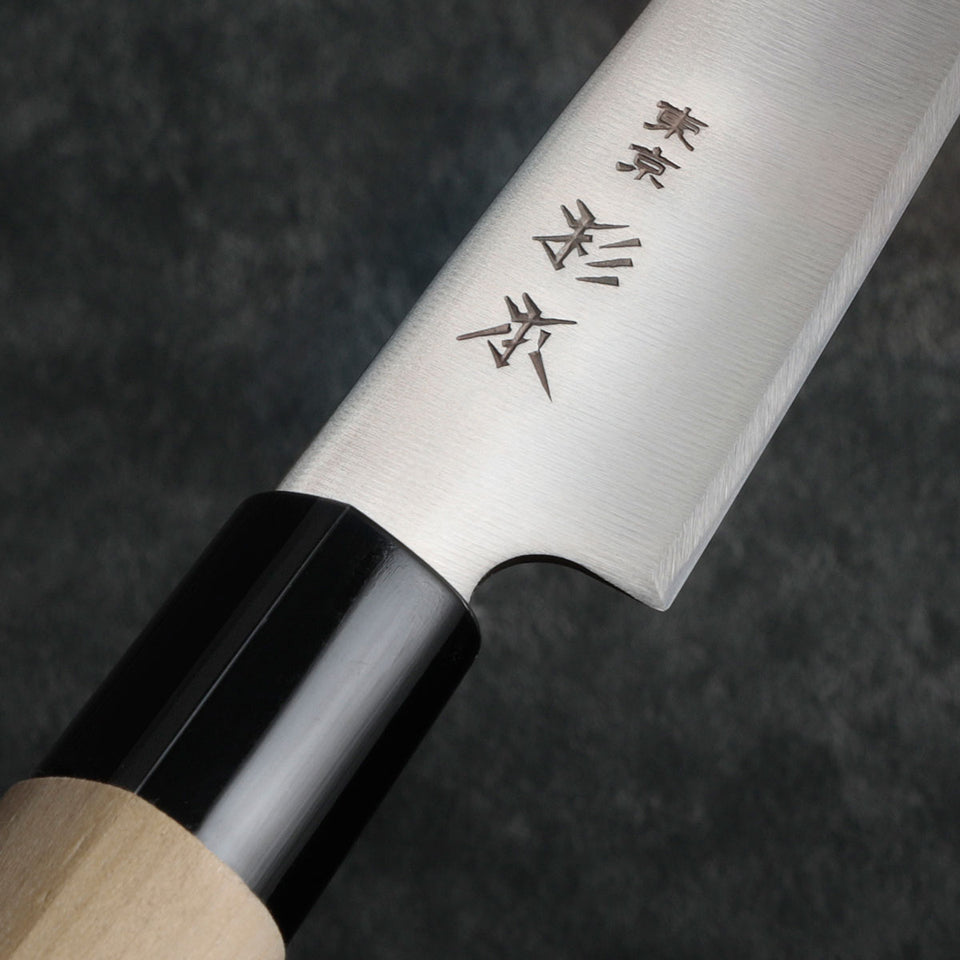
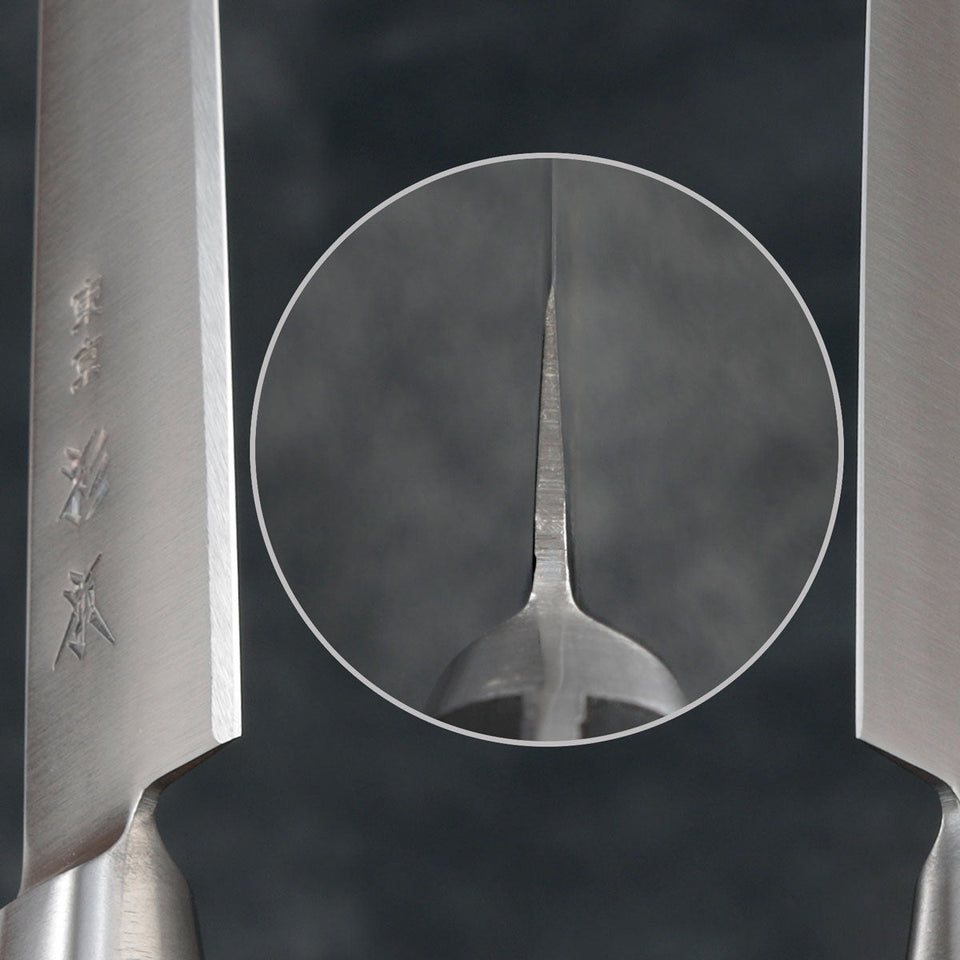
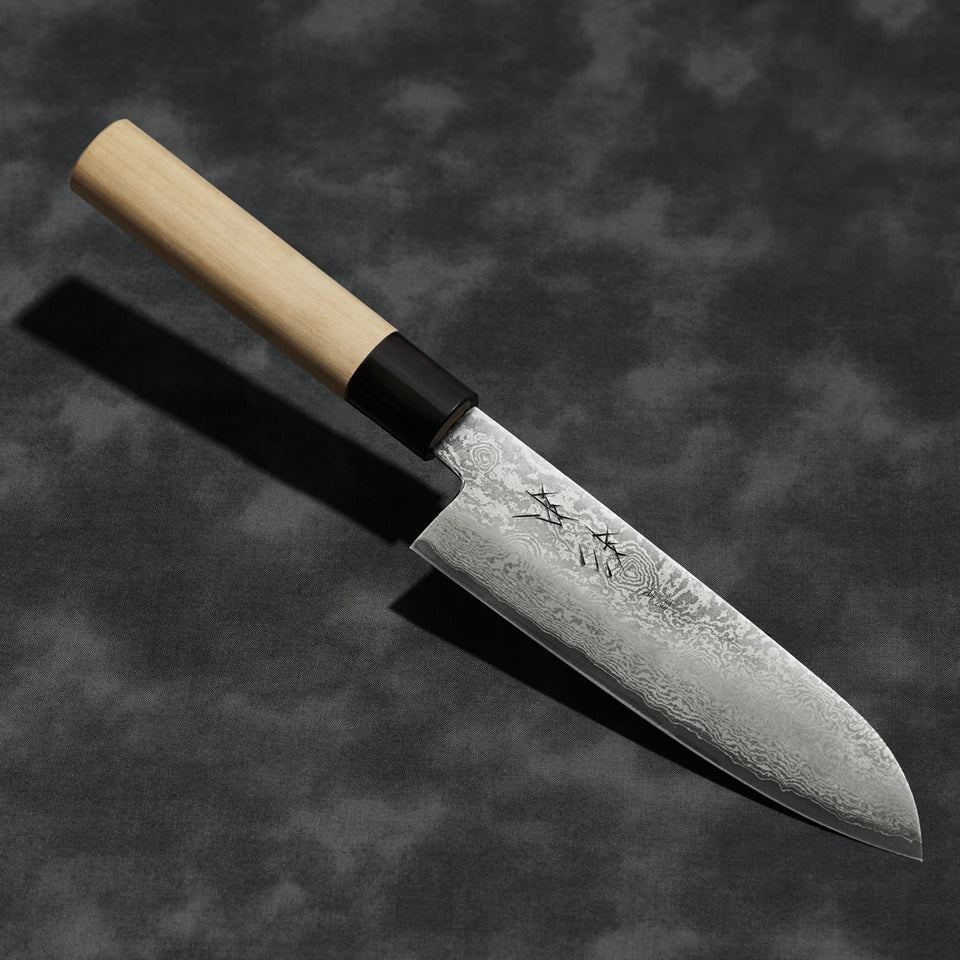
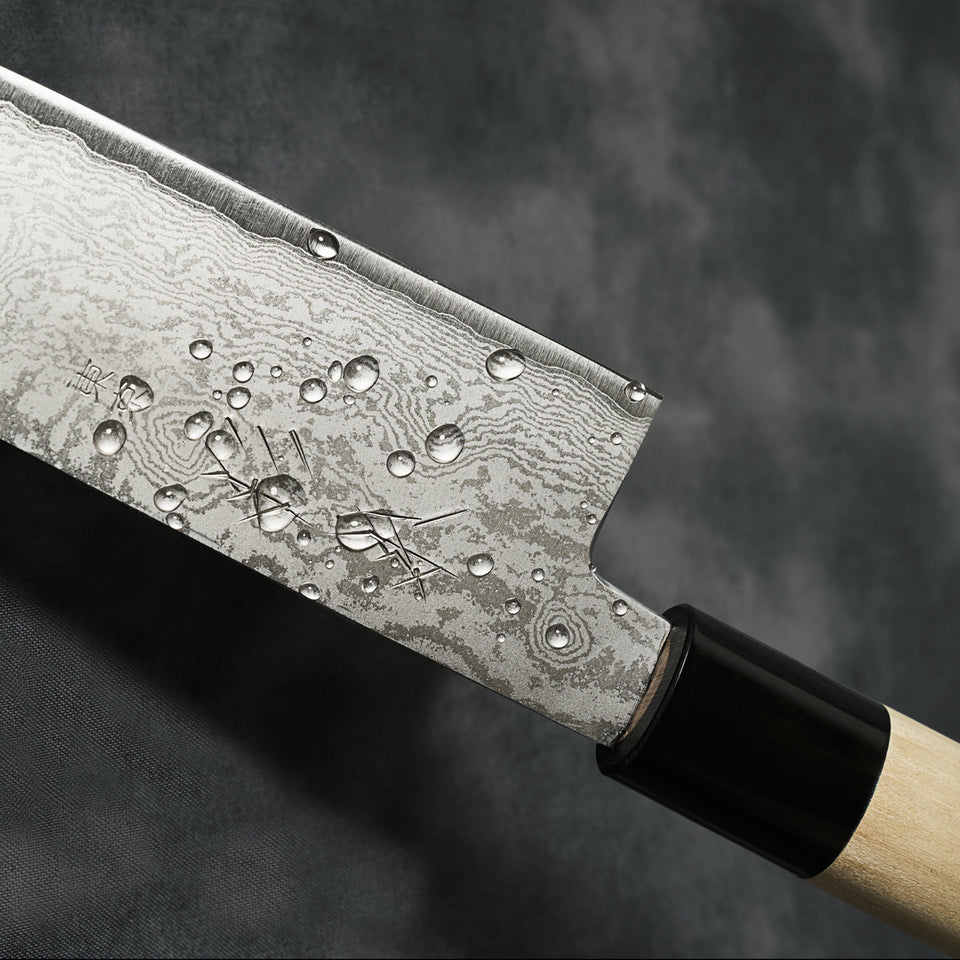
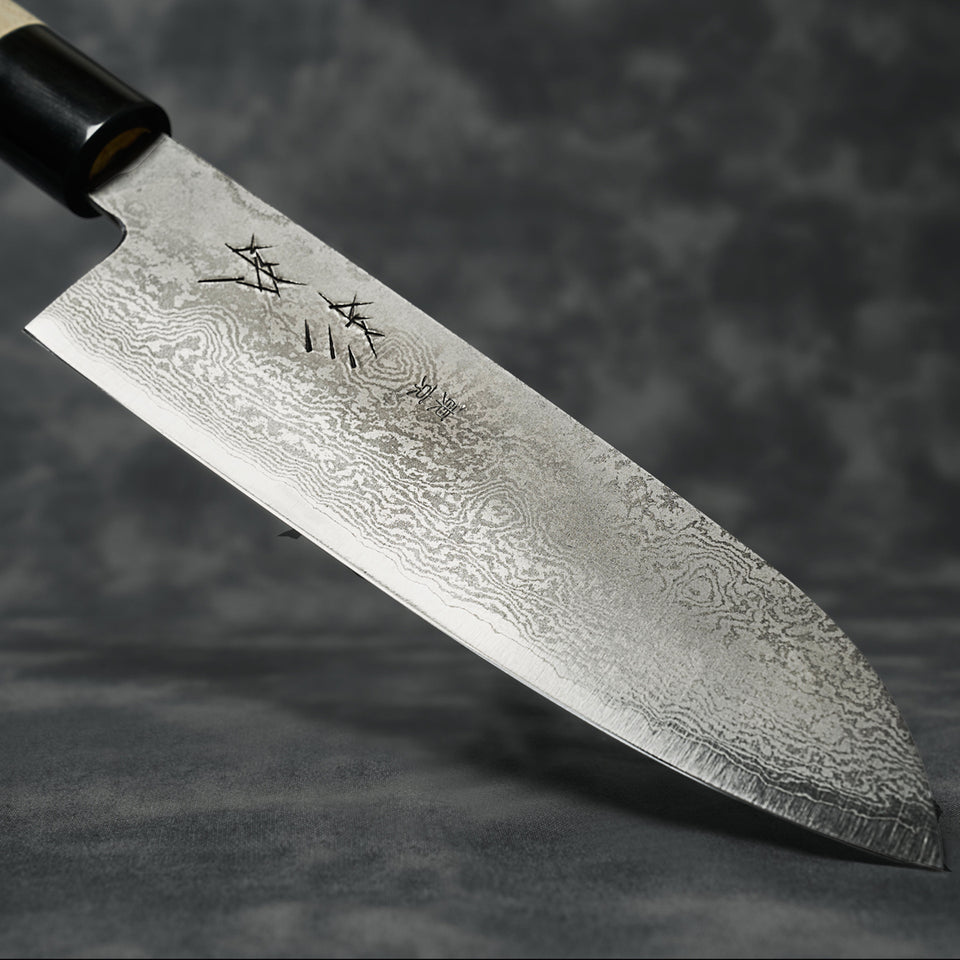
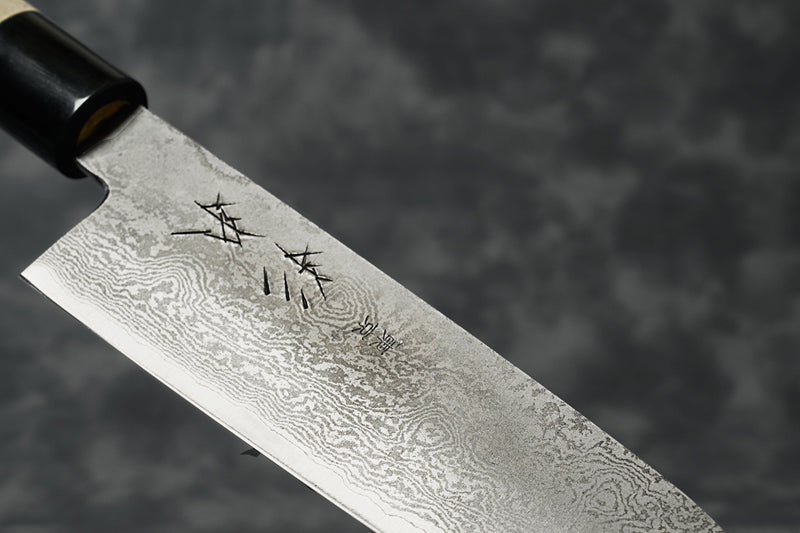
Pay close attention to the markings on the blade. Genuine Japanese knives often have the brand name, logo, and sometimes the model number etched or engraved on the blade. Check the font, alignment, and quality of these markings. In some cases, counterfeit knives may have misspellings or poorly executed markings.

5. Weight and Balance

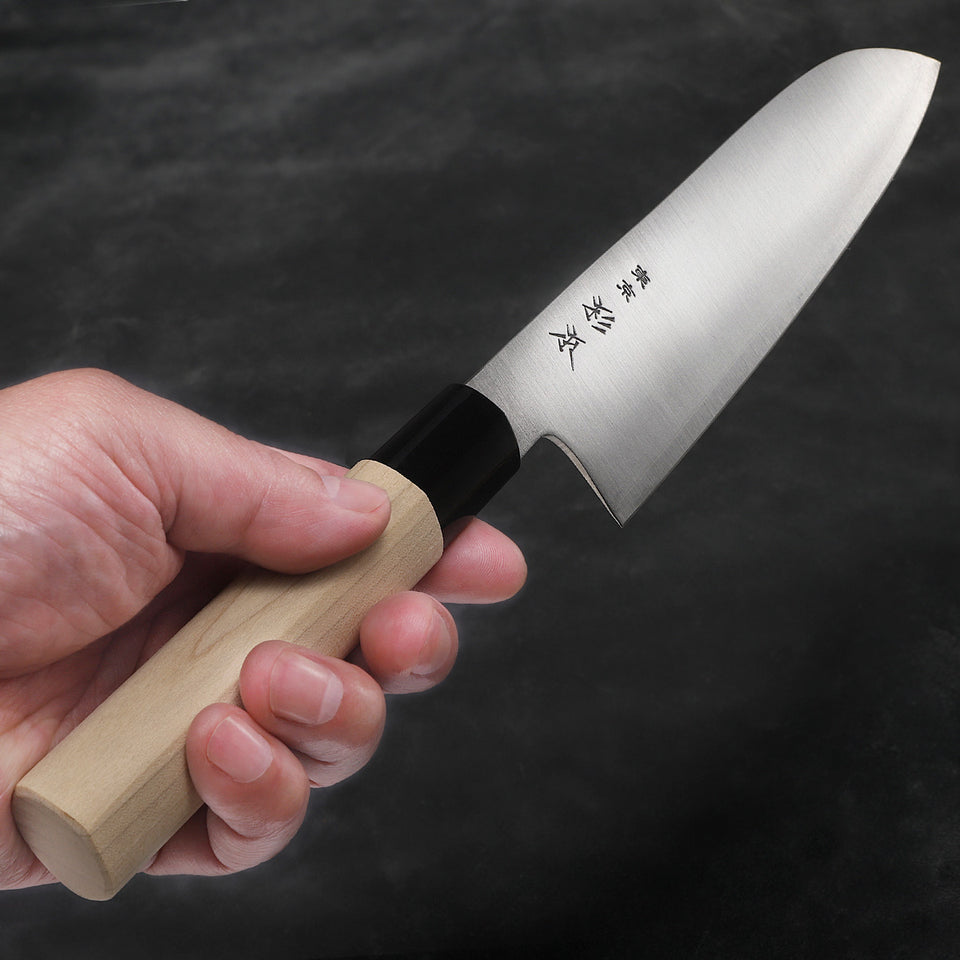
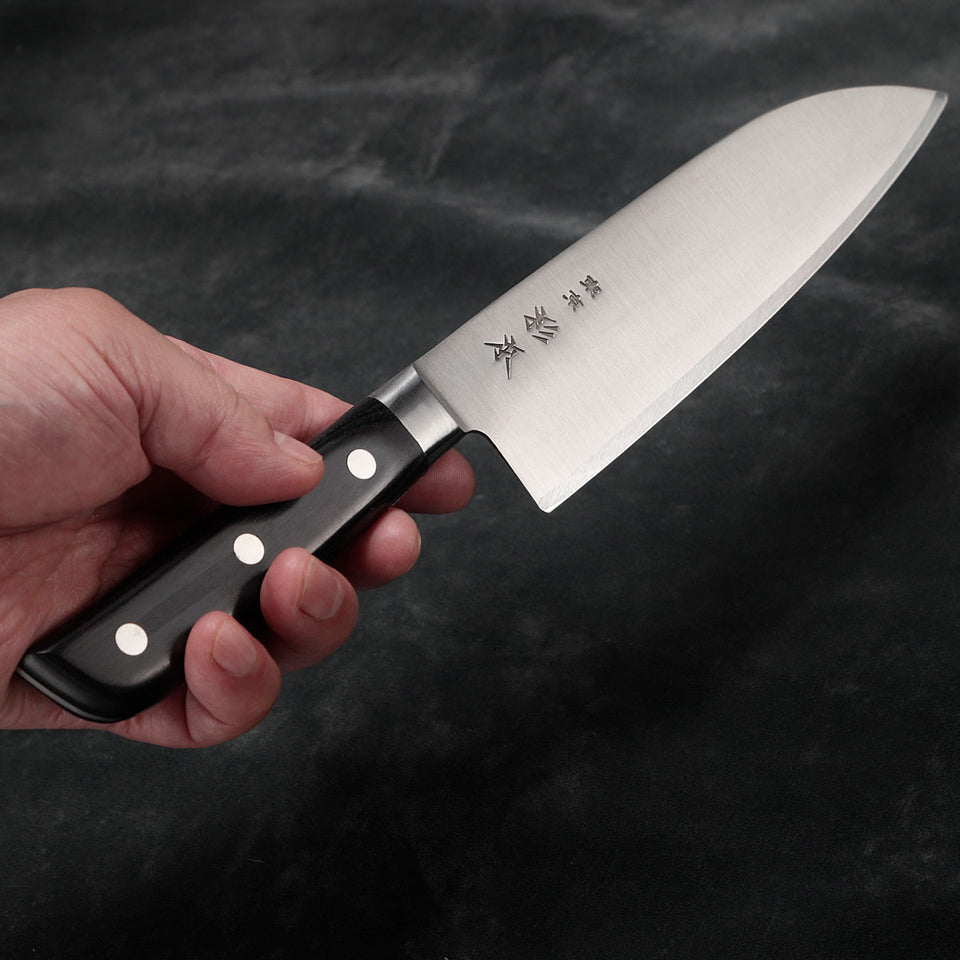
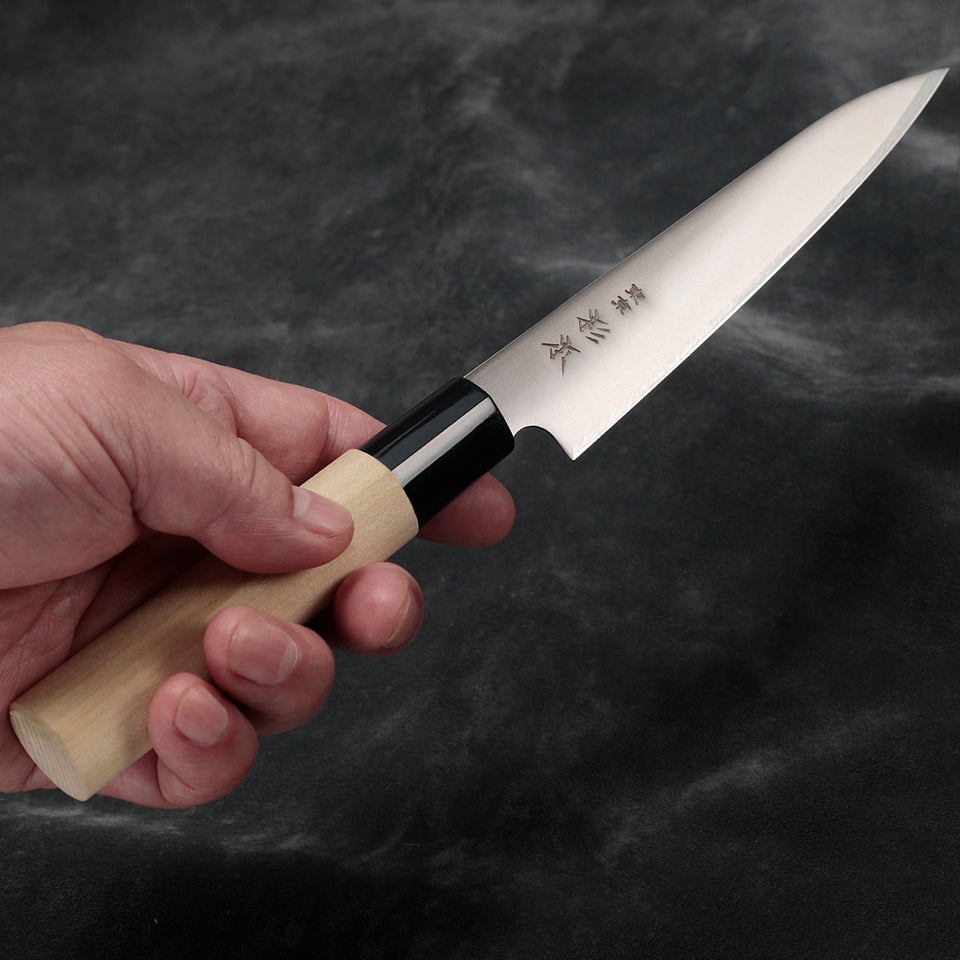
Authentic Japanese knives are known for their balance and lightweight design. Counterfeit knives may feel noticeably lighter or imbalanced due to using inferior materials. Hold the knife in your hand and evaluate its weight and balance.

6. Handle Quality

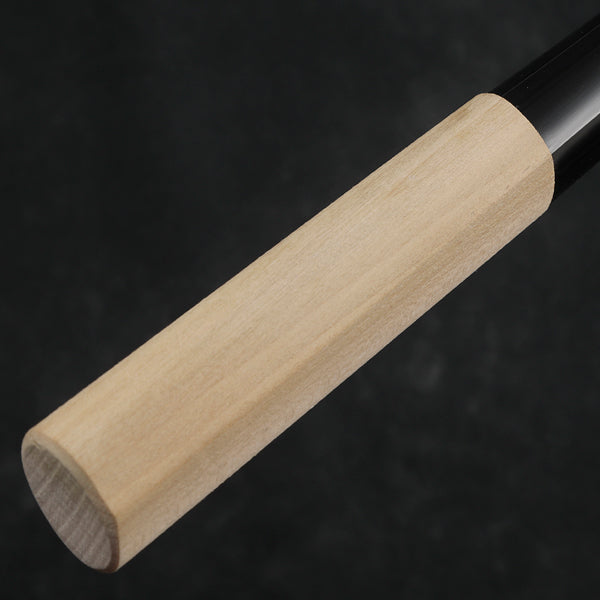
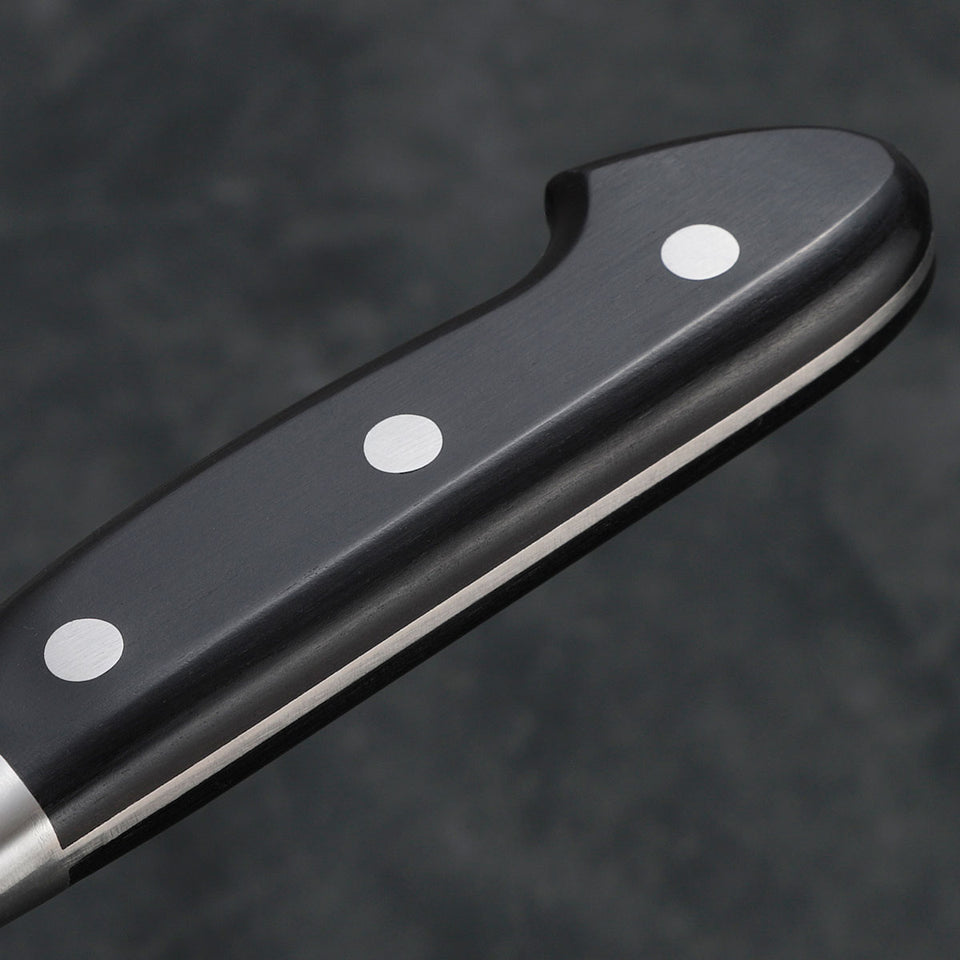
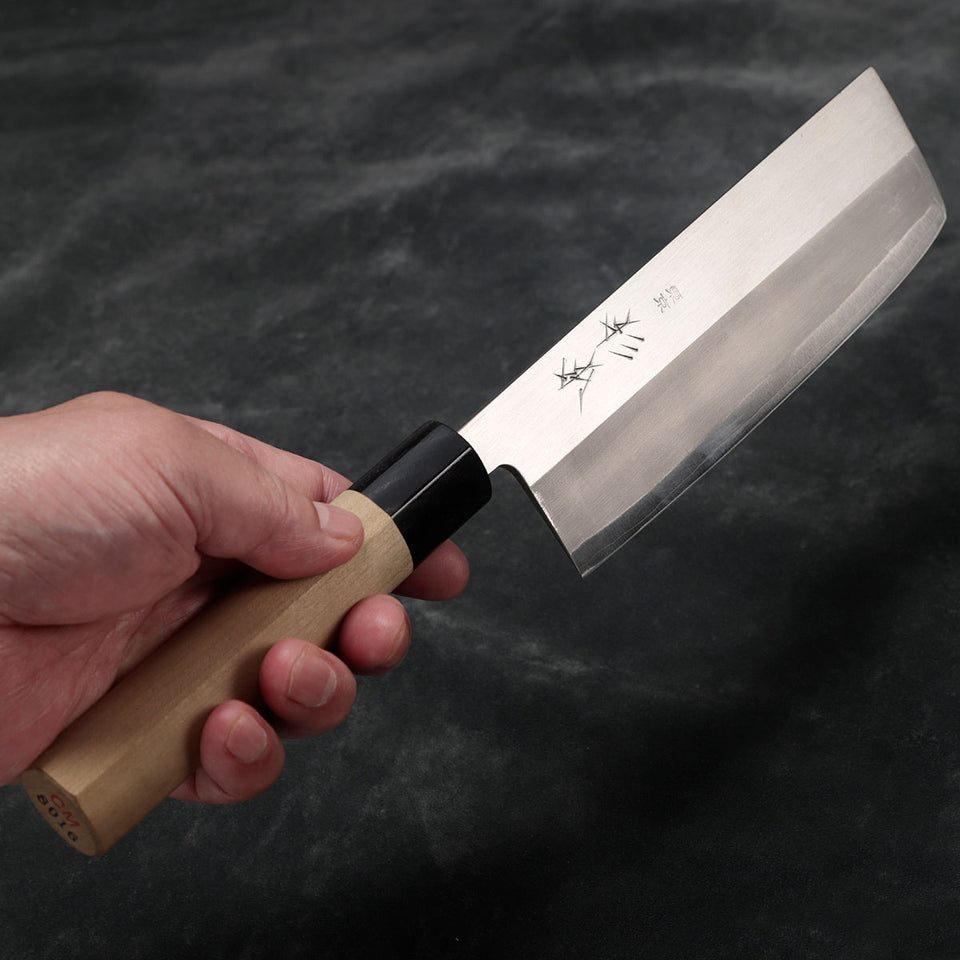
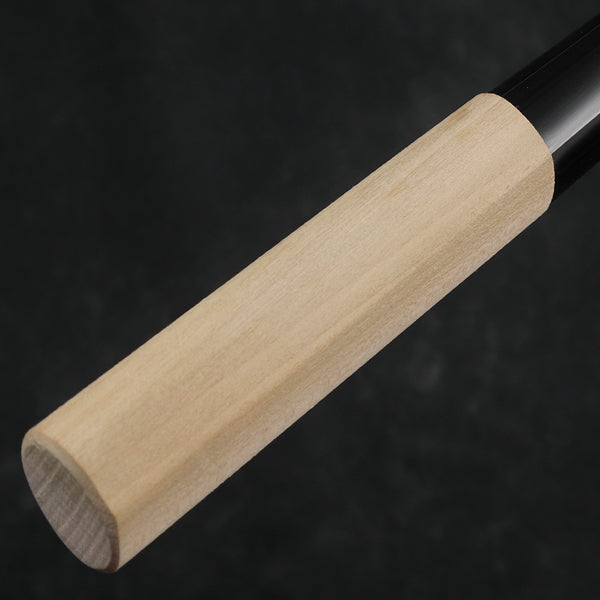
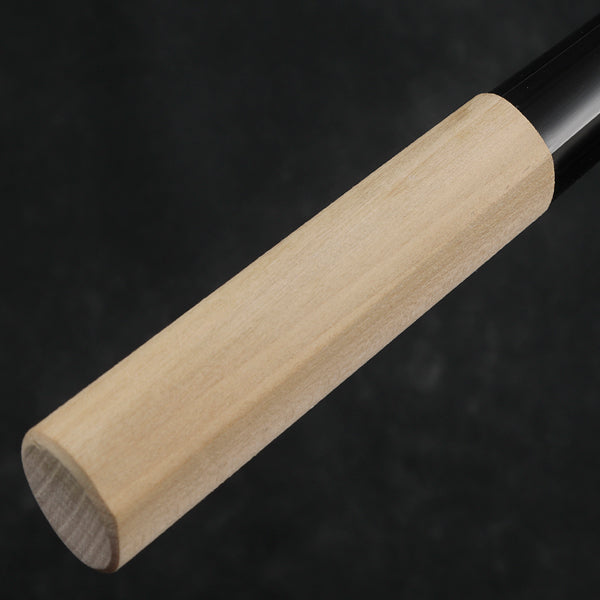
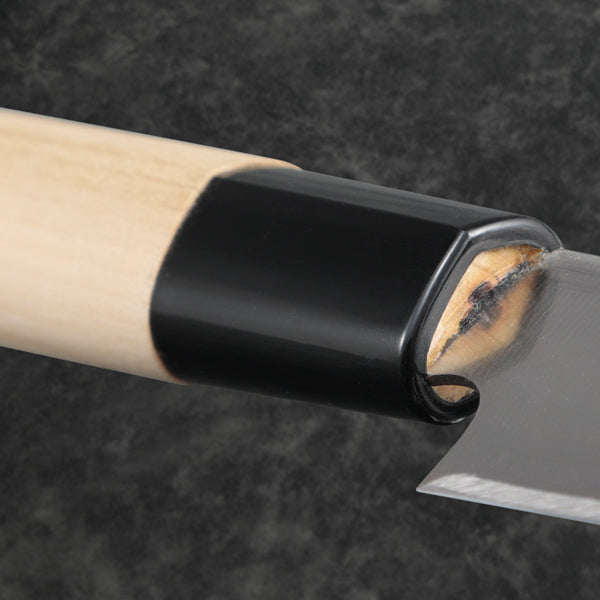
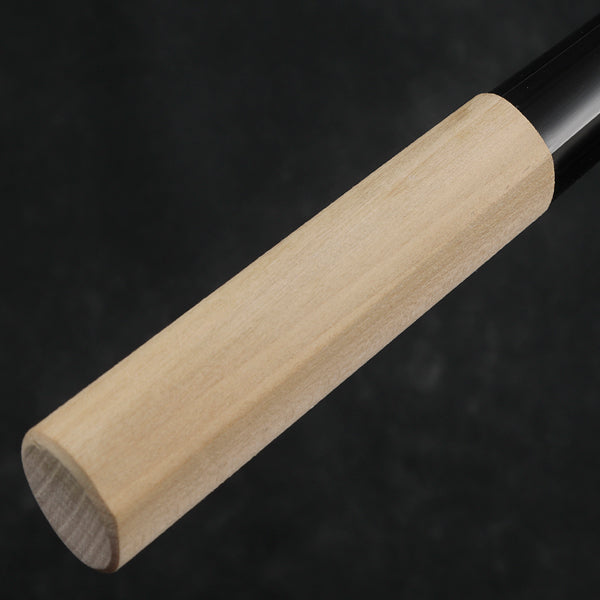
Japanese knives typically feature high-quality handles made from wood, resin, or other natural materials. Inspect the handle closely for signs of craftsmanship, such as smooth finishing, tight fittings, and attention to detail. Cheap or poorly constructed handles may indicate a fake.

7. Reputation and Reviews

Research customer reviews and feedback for the specific knife model or brand you're interested in. If there are consistent complaints about authenticity issues or poor quality, it's a red flag.

8. Seek Expert Advice

If you still need clarification on the authenticity of a Japanese knife, consult with experts or enthusiasts who have experience with these knives. They can provide their insights and help you make an informed decision.

Remember, while these tips help spot potential fakes, counterfeiters continuously improve their methods. So if you have doubts about a Japanese knife's authenticity, it's always best to consult experts or purchase from reputable sources to ensure you get a genuine product.

The authenticity of Japanese knives made outside Japan

While these knives may not be made in Japan, they can still be considered authentic in the sense that they adhere to traditional Japanese design principles, techniques, and characteristics.

Authenticity in the context of Japanese knives is more about the adherence to traditional Japanese craftsmanship and style rather than the specific geographical origin of production. Japanese-style knives made outside Japan can still possess the same blade shapes, profiles, materials, and cutting performance associated with traditional Japanese knives.

However, it's crucial to consider that quality and craftsmanship of Japanese-style knives made outside Japan can vary. The reputation and skill of the manufacturer, the materials used, and the way these knives were made are crucial factors in determining the authenticity and overall quality of the knife.

Some well-known countries that produce authentic Japanese-style knives

  • Germany: Several German knife manufacturers have adopted the Japanese style and craftsmanship to create their own line of Japanese-inspired knives. These knives often feature high-quality materials, precision forging, and excellent craftsmanship.
  • United States: There are American knife makers who specialize in Japanese-style knives and have gained recognition for their quality and authenticity. They incorporate traditional Japanese techniques and materials while producing knives in the United States.
  • France: French knife makers have also embraced the Japanese style, particularly in their chef's knives. These knives often exhibit a blend of Japanese design principles with the renowned French culinary tradition.
  • Other Countries: There are also skilled knife makers in countries like Sweden, Spain, and other regions worldwide who produce authentic Japanese-style knives.

When considering a Japanese-style knife made outside Japan, it's advisable to research the manufacturer, read customer reviews, and seek recommendations from trusted sources to ensure that the knife meets your expectations regarding authenticity, quality, and performance.

How to Spot a Fake Japanese Knife — Frequently Asked Questions
What's the most reliable single way to spot a fake Japanese knife?

The seller. Genuine Japanese knives are sold through a relatively small number of authorized retailers (in Japan and abroad) and direct from maker workshops. If a listing is on a marketplace from an unfamiliar storefront with a price 60% below normal retail and stock photos that match other listings, it's very likely fake. A reputable seller can name the maker, the steel, and the workshop, and stands behind a return policy. If the seller is vague on any of those, walk away. Sourcing from authorized channels almost completely eliminates fakes regardless of how convincing the knife looks.

Are unusually low prices a reliable warning sign?

Yes — almost always. A genuine Japanese hand-finished knife requires real materials and real labor: VG-10 or higher steel costs the maker $20-40 just for the blade blank, and skilled labor adds many more hours of cost. A "premium handmade Japanese chef knife" listed for $35 cannot be both. The math doesn't work. Knockoffs from China and elsewhere often use generic stainless steel (54-56 HRC, not 60-63) with a Damascus pattern that's either acid-etched (not actually layered) or chemically printed onto the surface. The pattern looks fine in photos and falls apart after a few sharpenings.

How do real Japanese makers mark their blades?

Real Japanese knives are usually marked with the maker's name in kanji, sometimes with the steel type and a series name. The marks are stamped, etched, or hand-engraved with consistent depth and clean kanji strokes. Fakes often have misspelled kanji, kanji that don't actually mean anything ("decorative" Chinese characters), or marks that wear off in months because they're shallow surface prints. If you can read Japanese (or have a friend who does), check that the kanji match a real maker and that the strokes are crisp. Cross-reference the maker name with their own website if one exists.

Is fake Damascus a real thing?

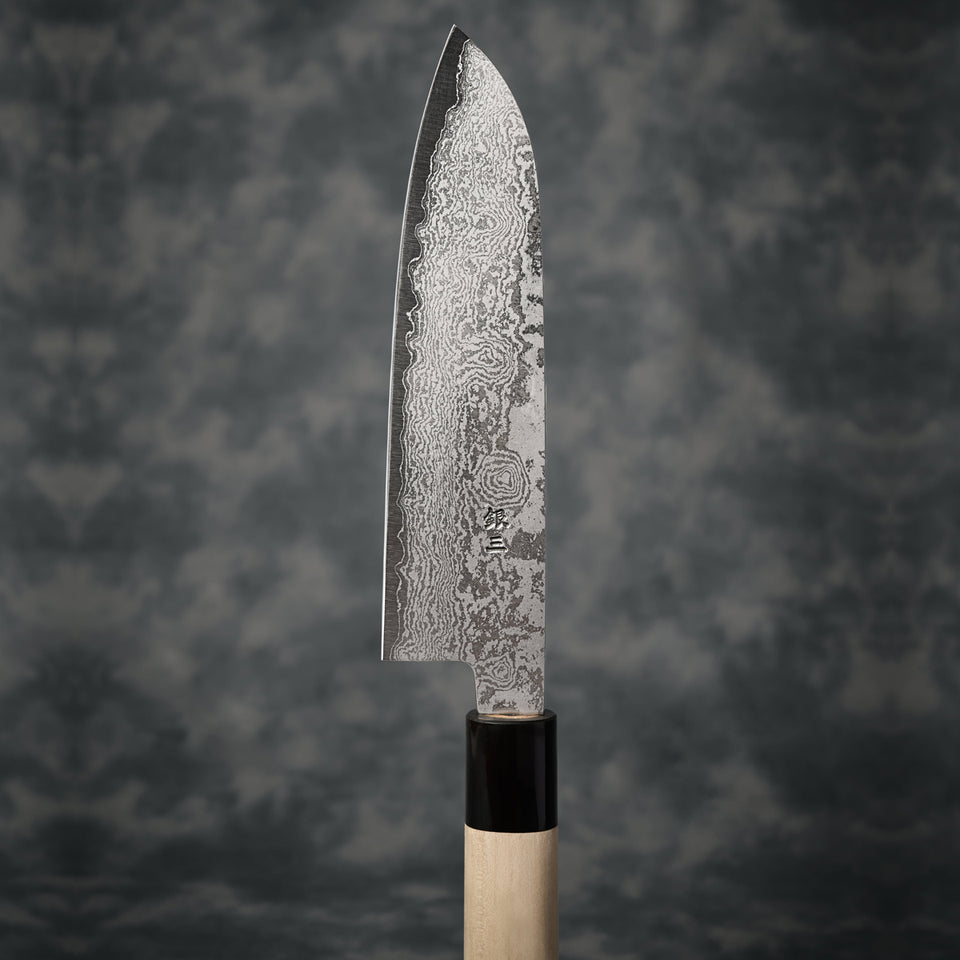
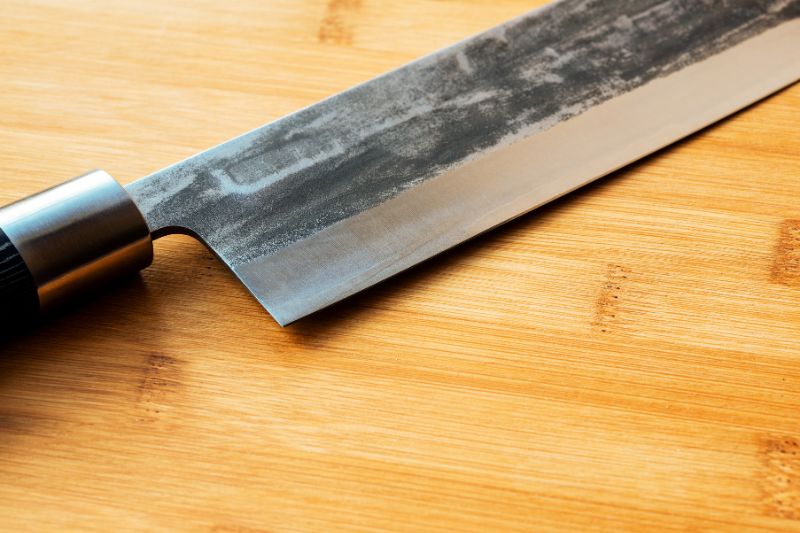
Yes — and very common. Real Damascus on a Japanese knife is san-mai cladding with the outer layers folded many times to create a wavy pattern visible across the blade. The pattern goes through the metal; you can sand into it and find more pattern underneath. Fake Damascus is either acid-etched onto a single layer of steel (a chemical pattern only on the surface, gone after a few sharpenings) or laser-engraved (perfectly uniform, repeating, with no organic flow). On a real Damascus knife, the pattern flows naturally and is asymmetric — every blade is one of a kind. On a fake, the pattern looks too regular, too uniform, or fades along the edge. Read our Damascus knives guide for what real Damascus looks like.

What about weight and balance — can I feel a fake?

Sometimes, with experience. A genuine Japanese knife in a particular size has a known weight range — a 210 mm gyuto in stainless usually weighs 165-200 grams, give or take. A fake using cheaper steel often feels noticeably lighter (under 140 g) or has a clumsy balance point too far back in the handle. The blade should feel "alive" — pick it up and the tip should swing slightly with a gentle wrist motion. A fake often feels dead, like a flat piece of stock metal. This is harder to judge if you've never held a real one, which is another reason to handle a friend's genuine knife or visit a real store before buying online.

Differences Between Mass Produce Knives and Handmade Japanese Knives

Related products
1 review

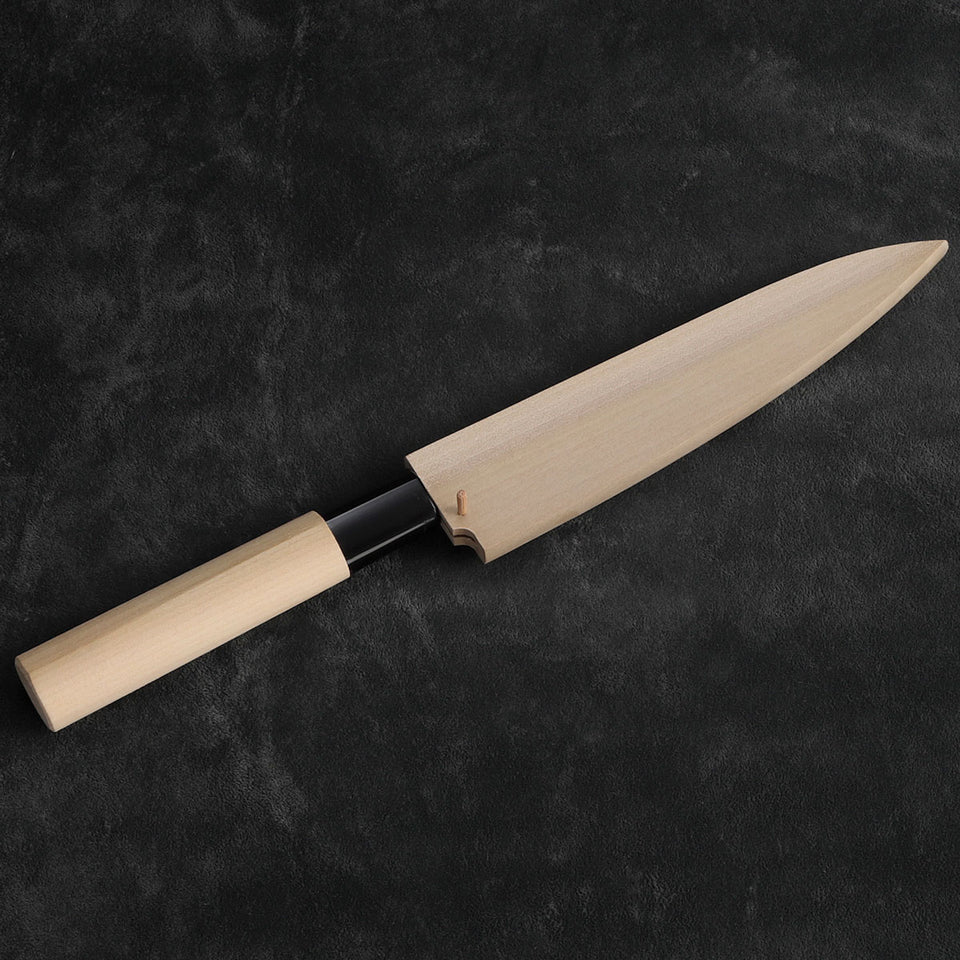
Gyuto Knife with Japanese Handle - All-purpose Premium Japanese Artisanal Knife

$360.00
Quick view

The Japanese Gyuto knife is the ultimate multi-purpose blade, perfect for everyone from beginner home cooks to seasoned chefs. As the Japanese counterpart to the Western chef’s knife—only thinner, lighter, and sharper—it excels at chopping, slicing, and dicing almost anything in the kitchen with effortless precision. This variation features a beautiful maple-wood handle that not only adds a natural, elegant aesthetic but also provides a smooth, earthy texture for enhanced control and comfort. Crafted with CM stainless steel, it offers exceptional sharpness, durability, and rust resistance, ensuring years of effortless slicing. With a blade length of 180mm (7.1 inches) and a double bevel edge, this handmade, hand-braided, and hand-sharpened Gyuto is a versatile and essential tool that elevates both the appearance and taste of your culinary creations. This product is available for shipping within the USA only.

Santoku Knife - Premium Japanese Artisanal Knife

$250.00
Quick view

The Santoku knife is revered for its control, precision, and sharpness, making it the master of slicing, mincing, and dicing in both professional and home kitchens. Traditionally favored for high-precision tasks like sushi and sashimi preparation, its versatility extends to cutting meat, fish, and vegetables with ease, supported by a comfortable, easy-to-control handle. Handmade by master bladesmiths using techniques passed down through generations, each Santoku offers extraordinary quality that elevates every slice. Named after the "Three Virtues"—meat, vegetables, and fish—the Santoku’s shorter, thicker, straight-edged blade with a sheep foot-shaped tip enhances the appearance, taste, and texture of your food while delivering exceptional performance with minimal maintenance, thanks to its CM stainless steel and Western-style handle. With a blade length of 170mm (6.7 inches), it is the ultimate daily knife for any cooking enthusiast.

1 review

Nakiri Knife - Vegetable Cutting/Slicing/Mincing Premium Japanese Artisanal Knife

$290.00
Quick view

The Nakiri knife (菜切包丁) is a highly versatile and efficient tool, traditionally used in Japan for cutting vegetables with supreme speed and precision. Its thin, lightweight rectangular blade allows for quick, clean, and effortless slicing without the need for a rocking motion, keeping your knuckles safely away from the cutting board while delivering beautifully thin, even slices every time. Perfect for delicate vegetables and even light filleting tasks, the Nakiri offers incredible control and minimizes damage to ingredients, preserving their flavor and texture. Handmade and sharpened by master bladesmiths, this 165mm (6.5 inches) knife features a traditional Japanese magnolia wood handle with a plastic collar and is available with either CM Stainless for easy maintenance or Kasumi Superlative Carbon Steel for a more traditional sharpening experience. With its unparalleled usability from tip to tail, the Nakiri is an invaluable asset for anyone seeking speed, consistency, and elegance in their kitchen work.

1 review

Petty Knife with Japanese Handle - Premium Artisanal Knife

$179.00
Quick view

The Japanese-style Petty Knife is a premium artisanal blade designed for maximum control and precision, perfect for peeling, slicing, shaping, and trimming in tight spaces. Its fine-tipped 150mm (5.9 inches) blade unlocks new levels of creativity in shaping and presentation, helping elevate the beauty of every dish you create. Featuring a traditional maple-wood handle, it offers a smooth, natural texture that feels as good as it looks, making it a joy to use. Handmade and sharpened by master bladesmiths, this knife guarantees prolonged sharpness, durability, and effortless slicing for years, making it an essential tool for passionate home cooks and professional chefs who take pride in every cut. Crafted from CM stainless steel for rust resistance and low maintenance, the Japanese Petty Knife blends beauty, functionality, and lasting performance into one exceptional kitchen companion.

Damascus Santoku Knife with Japanese Handle - All-purpose Premium Japanese Artisanal Knife

$1,199.00
Quick view

A true masterpiece of craftsmanship, our Japanese Damascus Santoku knife beautifully unites exquisite patterns with exceptional performance. Crafted entirely in Japan by skilled artisan bladesmiths, each blade showcases the iconic wave-like Damascus patterns, symbolizing timeless Japanese aesthetics and superior quality. Unlike mass-produced imitations with printed patterns, our genuine Damascus blade is meticulously forged through the traditional layering and folding process, requiring over 200 hours of expert dedication to create a knife of remarkable strength, flexibility, and beauty.

This premium Santoku, embodying the revered "three virtues," excels at slicing vegetables, meat, and fish with precision and ease, making it the perfect daily companion for both home cooks and professional chefs. Made from CM stainless steel for rust resistance and low maintenance, the knife features a high-quality magnolia wood handle, available with either a plastic or buffalo horn collar. With a blade length of 180mm (7.1 inches) and a double bevel edge, this limited-production Santoku offers unmatched versatility, durability, and artistry—bringing both function and tradition to your kitchen.


Related Articles You May Be Interested

How to Choose Your First Japanese Knife
10 Reasons to Buy a Japanese Knife
Why are Japanese Knives More Expensive?
Everything You Need to Know about Damascus Japanese Knives
Differences Between Mass Produce Knives and Handmade Japanese Knives

Get Free Bonus Books

Join Japanese Knife Club

Sign up for free to the Japanese Knife Club to get advice and exclusive articles about how to choose Japanese Knives, and tips and tricks for using Japanese knives.

Unsubscribe anytime. It’s free!

About the author

Kei Nishida

Kei Nishida

Author, CEO Dream of Japan

info@japanesegreenteain.com

Certifications: PMP, BS in Computer Science

Education: Western Washington University

Kei Nishida is a passionate Japanese green tea connoisseur, writer, and the founder and CEO of Japanese Green Tea Co., a Dream of Japan Company.

Driven by a deep desire to share the rich flavors of his homeland, he established the only company that sources premium tea grown in nutrient-rich sugarcane soil—earning multiple Global Tea Champion awards.

Expanding his mission of introducing Japan’s finest to the world, Kei pioneered the launch of the first-ever Sumiyaki charcoal-roasted coffee through Japanese Coffee Co. He also brought the artistry of traditional Japanese craftsmanship to the global market by making katana-style handmade knives—crafted by a renowned katana maker—available outside Japan for the first time through Japanese Knife Co.

Kei’s journey continues as he uncovers and shares Japan’s hidden treasures with the world.

Learn more about Kei

Related Posts

Everything you need to know about swordsmith Kawashima Kazuki (川島一城)

The definitive guide to swordsmith Kawashima Kazuki (川島一城) — 15th-generation bladesmith of Bizen Osafune. Philosophy, pr

Read More
Exciting News: We Acquired the History of Katana YouTube Channel!

Welcome to the famed History of Katana YouTube Channel—unlocking rare stories, epic blades, and what comes next. Curious

Read More
OC Japan Fair Fall 2025 Recap (October 17 - 19 2025)

We were thrilled to return to OC Japan Fair 2025—the biggest Japan-themed event in SoCal! Here is a recap video from the

Read More
Leave a comment

Your email address will not be published..

Your cart is currently empty.

Start Shopping

Select options