Skip to content

Exciting News: We Acquired the History of Katana YouTube Channel!

We have aquired History of Katana


A close-up of a katana blade (). The katana is a symbol of Japan’s rich history and craftsmanship. As a lifelong fan of Japanese culture (日本文化), I’ve always been fascinated by the stories behind legendary swords. 

So, I am beyond thrilled to share some exciting news with you: our company has acquired the popular YouTube channel History of Katana!

Check Out the Youtube Channel and Subscribe Now!

For those who have been following us over the years, you know how passionate I am about sharing all things Japan (日本) – from tea to traditions.

This new venture is especially close to my heart. History of Katana is a channel devoted to the history of the Japanese katana sword and samurai () era, and it’s now becoming part of our family.

I can hardly contain my excitement about this, and I want to tell you all about why this is great news for our community.

In this post, I’ll introduce the original creator (whom we all owe so much to), and a good friend of mine who will be joining me in bringing you awesome content on the channel. 🎉🇯🇵

Honoring Makoto Kikuchi – The Legacy Behind History of Katana

Kikuchi Makoto and Osaka CastleKikuchi Makoto and Samurai Armor

First, I want to shine a spotlight on Makoto Kikuchi (Instagram: @makosanjp, LinkedIn: Makoto’s Profile).

Makoto is the original creator and driving force behind History of Katana.

He launched the channel just last year and, through his passion and expertise, grew it to over 27,000 subscribers in just one year.

That’s an incredible achievement! Makoto’s videos have captivated fans around the world with their deep dives into samurai sword history, famous blades, and the fascinating culture surrounding these iconic weapons.

What makes Makoto’s work truly special is his authenticity.

He’s not just a YouTuber; he’s a lifelong student of Japanese swords. In fact, Makoto is a certified Kendo (剣道) 3rd Dan, meaning he has mastered the art of Japanese swordsmanship to a high level. (How cool is that?) His deep knowledge and genuine love for the topic shone through in every episode he created.

We always honor Makoto’s spirit of sharing Japanese culture with honesty and enthusiasm, and our commitment is to uphold the same level of quality and passion that he brought to the channel.

I want to take a moment to thank Makoto for everything he’s done.

History of Katana is his baby – a project born out of his love for Japanese history – and we’re honored that he has entrusted it to us.

Rest assured, we will carry on Makoto’s legacy with the utmost respect. Our team will strive to keep the content as engaging and informative as ever, staying true to the vision that Makoto set forth.

And here’s some more good news: Makoto will still be involved! Even though he’s handed over the channel’s reins, Makoto has graciously agreed to collaborate with us from time to time on future videos.

You might see him pop up as a guest narrator or advisor in upcoming content. His continued presence means a lot to us; it ensures that the channel stays connected to its roots.

We’re grateful to have Makoto on board in this new capacity, and we hope you’ll join us in saying a big “arigato” (ありがとう) to him for all his hard work and for helping us in this next chapter.

Japanese Greentea Co Premium Matcha Powder
Our Premium Matcha Powder


From Tea to Katana – Why We’re Expanding Our Cultural Journey

Now, you might be wondering: Why is a Japanese tea company running a YouTube channel about katana swords?

At first glance, it’s an unusual pairing – tea and samurai swords – but let me share why it makes perfect sense to us.

Here at Dream of Japan, our mission has always been to celebrate and share the best of Japanese culture in all its forms.

We started with tea (お茶) because it’s a quintessential part of Japanese life and tradition. But our love for Japan doesn’t stop at tea leaves and ceremonies.

We’re fascinated by history, art, and craftsmanship in Japan, whether it’s the way a tea bowl is crafted or the way a katana blade is forged.

In fact, there’s a beautiful common thread between a cup of matcha and a folded steel sword: heritage.

Both are the product of centuries of dedication, skill, and spirit. The same values of respect, patience, and attention to detail that define the Japanese tea ceremony also run deep in the making and wielding of a katana.

Many of you who enjoy learning about Japanese tea have also expressed interest in other cultural topics. By bringing History of Katana into our family, we’re broadening the content we offer you – diving into samurai history and sword lore – while staying true to our core aim of sharing Japanese culture (日本文化).

We believe that if you love Japan as much as we do, you’ll find the world of katana just as inspiring and enriching. 🗡️🍵

Meet Matt Gelgota – My Long-Time Friend and New Co-Host

Matt Gelgota, History of Katana Collaborator

I’m also excited to introduce you to someone who will be joining me in running the channel: my good friend Matt Gelgota (LinkedIn: Matt Gelgota).

Matt and I go way back – we bonded years ago over our mutual fascination with Japan. He’s the perfect partner for this project, and I’ll tell you why. Matt spent over 7 years living in Japan, fully immersing himself in the language and daily life.

His creativity for video making is amazing.  In fact, he was the wizard behind making many of our videos, including the Dream of Japan video on the homepage and the Japanese Knife Co. Video. (and a lot more!)

videoid="HnHmTr5PzyA"


videoid="v981BDsaRA0"


In fact, he worked as a teacher, teaching the English language to students during his time there. (Yes, he’s essentially a sensei!)

This experience gave him a deep understanding of Japanese culture and an authentic perspective that he’s excited to bring to the channel.

Having Matt on board is a huge win for the History of Katana community.

Not only is he knowledgeable about history, but he’s also a fantastic communicator – thanks to his teaching background, he knows how to make complex topics fun and accessible.

Matt shares my passion for storytelling and education.

He’s brimming with ideas for engaging videos, from exploring famous swords and legendary samurai battles, to possibly even spotlighting the art of sword-making and how it connects to other Japanese arts. 

Most importantly, Matt is as enthusiastic as I am about connecting with all of you.

 He’s looking forward to answering your questions in the comments, learning from your feedback, and helping me ensure that we keep delivering content you love.

 Please give Matt a warm welcome (ようこそ)! We’re so happy to have him as part of the team. 🎉

Japanese Samurai Kabuto Helmet and Armor


What to Expect – Our Vision for the History of Katana Moving Forward

So, what changes and what stays the same on the History of Katana channel? Let me reassure you: the heart of the channel remains unchanged.

We will continue producing the high-quality, fascinating content about Japanese swords that you’ve come to love. All the existing videos aren’t going anywhere, and if you haven’t watched them all yet, they’re waiting for you to enjoy.

 Going forward, our plan is to build on the solid foundation that Makoto created and, if possible, add even more depth and excitement to it.

With Matt and me teaming up (and Makoto cheering us on and advising from the sidelines), you can expect a few new touches.

We’re brainstorming fresh video ideas and series, possibly including on-site visits (imagine us visiting a swordsmith’s workshop!), interviews with experts, or even connecting the dots between samurai history and other aspects of Japanese culture (yes, maybe even a story or two about how samurai enjoyed tea 🍵).

We’ll also keep a regular posting schedule so you know when new content is coming.

Our goal is not only to teach you cool facts about katana and history, but also to make you feel as if you’re right there with us on a journey through time in Japan’s past.

If you have any topics you’d love to see covered on the channel, please let us know!

This channel is for you as much as it is for us, and we want to create videos that you are excited about.

Community has always been at the core of what we do.

Just as I love reading your comments on the blog and emails about tea and culture, I’m really looking forward to engaging with the History of Katana audience.

Many of you are already fans of the channel (some even discovered our tea blog through it, and vice versa), so this is an opportunity to bring our communities even closer.

Let’s learn and explore together! 🔥

If you’re new to the channel, don’t be shy – jump into the comment section on YouTube or here on the blog and say hello. We don’t bite (I promise), and we love hearing your perspectives and answering your questions about Japanese history.


Stay Connected – Subscribe to the History of Katana Newsletter

As we embark on this exciting new chapter, we’d love for you to stay connected and join us on the adventure.

We’ve set up a brand new History of Katana email newsletter where we’ll share updates, behind-the-scenes stories, and exclusive content for subscribers.

Subscribe to the Newsletter

If you’re as eager as we are to dive deeper into the world of samurai swords and Japanese history, this newsletter is for you! 

You can subscribe to it here. It’s free, and it’s the best way to make sure you never miss a new video or any special announcements. 📧

Of course, if you haven’t already, make sure to also subscribe to the History of Katana YouTube channel (so you get notified whenever a new video drops).

Between the YouTube subscription and the newsletter, you’ll be fully in the loop. We invite you to be an active part of this journey – watch the videos, leave comments, reply to our newsletter emails – your participation is what fuels us!

Finally, I want to say from the bottom of my heart: thank you. Thank you for being the best community of readers a blogger could ask for.

Whether you’ve been with Dream of Japan since the early days or you just stumbled upon this post today, your support means the world to me.

I’m incredibly grateful to be able to share my passions with you – and now, to take you along into a new realm of discovery with History of Katana.

I truly believe that this blend of tea and katana content is going to be a rewarding experience for all of us.

Arigato (ありがとう) for reading and for your continued support.

 I can’t wait to bring you more amazing stories and experiences, one cup and one sword at a time. Here’s to honoring the past and enjoying the present together! 😊🙌

Sincerely,
Kei Nishida (and the entire Dream of Japan team)

Check Out the Youtube Channel and Subscribe Now!

Subscribe to the Newsletter

Exciting News: We Acquired the History of Katana YouTube Channel! — Frequently Asked Questions

Where can I subscribe to the History of Katana channel?

Direct link: youtube.com/@HistoryofKatana. The channel covers the history of the Japanese sword (), legendary smiths, samurai-era weapons, and the cultural and craft traditions around them. New videos go up on a regular schedule under the new ownership. If you're into Japanese history, swords, or kitchen knife heritage (the knife-making traditions descend directly from sword-making), subscribing is the easiest way to follow the deeper backstory of the craft.

Why did Japanese Knife Co. acquire a YouTube channel about swords?

Japanese kitchen knives and Japanese swords share the same craft lineage — many of today's knife-making workshops in Sakai, Seki, and Echizen began as sword forges that pivoted to kitchen knives after the Meiji-era sword ban. Owning the History of Katana channel lets us tell that fuller story: how the same families and techniques that produced legendary swords now produce the kitchen knives in your drawer. The channel also helps surface working swordsmiths like Kawashima Kazuki who still keep the tradition alive.

Liquid error (snippets/blog-post-banner line 58): invalid url input

Will the channel's old videos still be available?

Yes — the entire back catalog stays online and accessible. We acquired the full channel including the existing video library; nothing was deleted in the transition. New videos go up under the new ownership but the old content remains in place for anyone discovering the channel for the first time. If you were a long-time subscriber, your subscription carried over automatically; nothing on your end needed to change.

Will the channel cover modern smiths or only historical ones?

Both. Historical content (legendary swords, Heian and Kamakura schools, famous battles, important blades) remains the channel's foundation, but we've added a stronger thread of modern smiths who are continuing the tradition today. Working swordsmiths like Kawashima Kazuki of Osafune produce blades using techniques essentially unchanged for 800 years; their stories deserve as much attention as the historical pieces. Expect interviews, forge visits, and behind-the-scenes coverage of how a modern Japanese sword is actually made.

How does this connect to the kitchen knives Japanese Knife Co. sells?

The same artisan families and the same regional traditions produce both. Mr. Ueta Sukesada — the maker behind several knives in our catalog including the bunka — is a sword-trained smith who makes kitchen blades using sword-forging techniques. Watching the History of Katana channel gives you context for what those techniques actually are, which deepens your appreciation of the kitchen knives you're using daily. Browse the Japanese knife collection to see makers who work in this lineage.

Related products
1 review

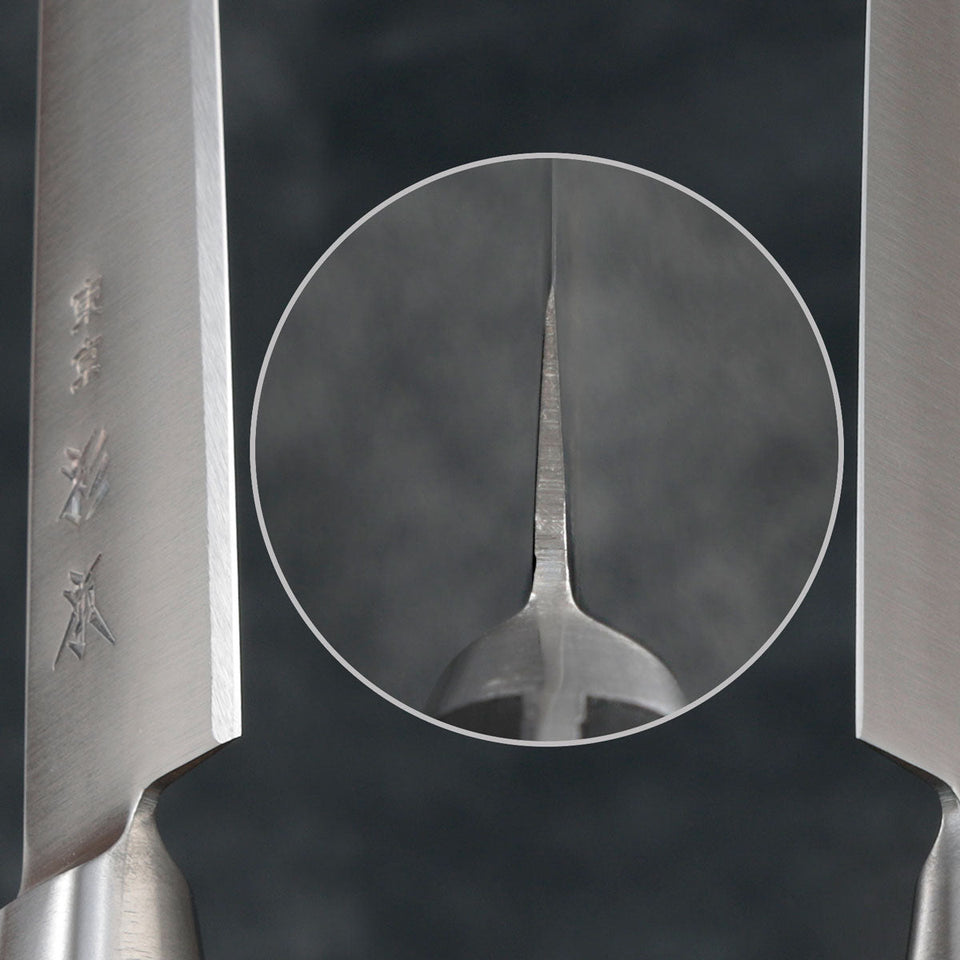
Gyuto Knife with Japanese Handle - All-purpose Premium Japanese Artisanal Knife

$360.00
Quick view

The Japanese Gyuto knife is the ultimate multi-purpose blade, perfect for everyone from beginner home cooks to seasoned chefs. As the Japanese counterpart to the Western chef’s knife—only thinner, lighter, and sharper—it excels at chopping, slicing, and dicing almost anything in the kitchen with effortless precision. This variation features a beautiful maple-wood handle that not only adds a natural, elegant aesthetic but also provides a smooth, earthy texture for enhanced control and comfort. Crafted with CM stainless steel, it offers exceptional sharpness, durability, and rust resistance, ensuring years of effortless slicing. With a blade length of 180mm (7.1 inches) and a double bevel edge, this handmade, hand-braided, and hand-sharpened Gyuto is a versatile and essential tool that elevates both the appearance and taste of your culinary creations. This product is available for shipping within the USA only.

Santoku Knife - Premium Japanese Artisanal Knife

$250.00
Quick view

The Santoku knife is revered for its control, precision, and sharpness, making it the master of slicing, mincing, and dicing in both professional and home kitchens. Traditionally favored for high-precision tasks like sushi and sashimi preparation, its versatility extends to cutting meat, fish, and vegetables with ease, supported by a comfortable, easy-to-control handle. Handmade by master bladesmiths using techniques passed down through generations, each Santoku offers extraordinary quality that elevates every slice. Named after the "Three Virtues"—meat, vegetables, and fish—the Santoku’s shorter, thicker, straight-edged blade with a sheep foot-shaped tip enhances the appearance, taste, and texture of your food while delivering exceptional performance with minimal maintenance, thanks to its CM stainless steel and Western-style handle. With a blade length of 170mm (6.7 inches), it is the ultimate daily knife for any cooking enthusiast.

1 review

Nakiri Knife - Vegetable Cutting/Slicing/Mincing Premium Japanese Artisanal Knife

$290.00
Quick view

The Nakiri knife (菜切包丁) is a highly versatile and efficient tool, traditionally used in Japan for cutting vegetables with supreme speed and precision. Its thin, lightweight rectangular blade allows for quick, clean, and effortless slicing without the need for a rocking motion, keeping your knuckles safely away from the cutting board while delivering beautifully thin, even slices every time. Perfect for delicate vegetables and even light filleting tasks, the Nakiri offers incredible control and minimizes damage to ingredients, preserving their flavor and texture. Handmade and sharpened by master bladesmiths, this 165mm (6.5 inches) knife features a traditional Japanese magnolia wood handle with a plastic collar and is available with either CM Stainless for easy maintenance or Kasumi Superlative Carbon Steel for a more traditional sharpening experience. With its unparalleled usability from tip to tail, the Nakiri is an invaluable asset for anyone seeking speed, consistency, and elegance in their kitchen work.

1 review

Petty Knife with Japanese Handle - Premium Artisanal Knife

$179.00
Quick view

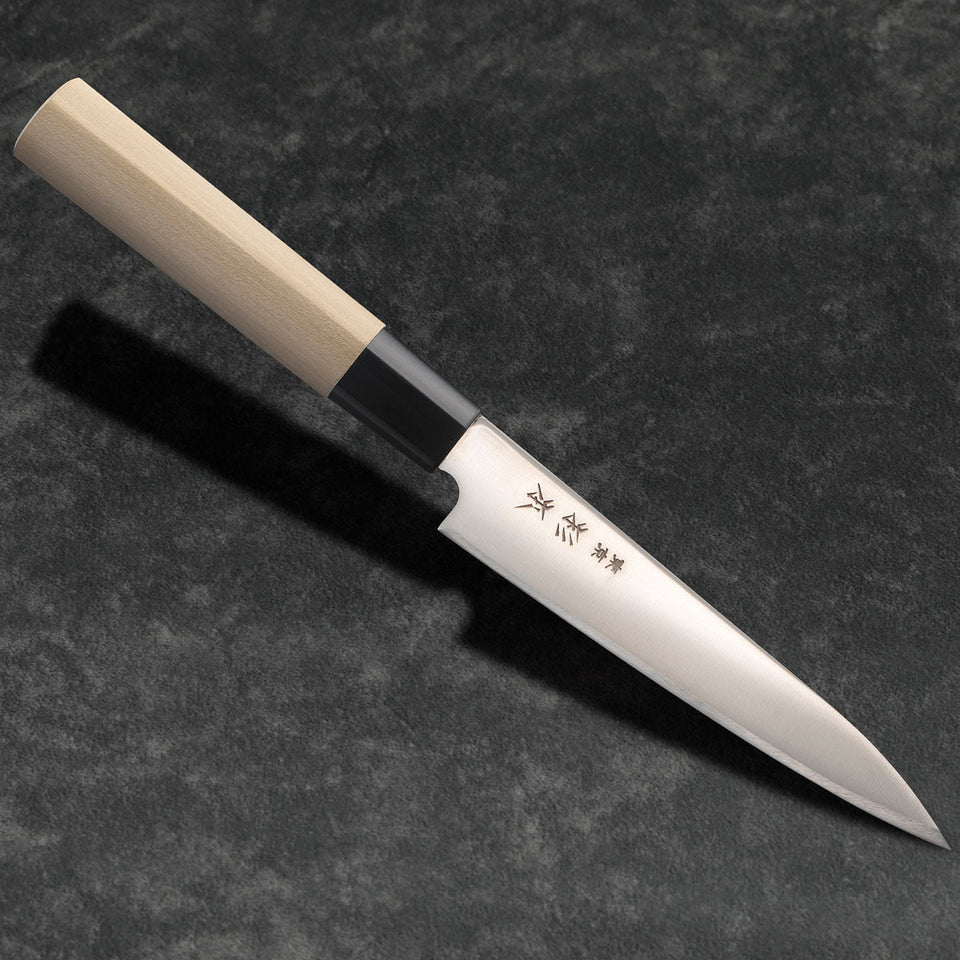
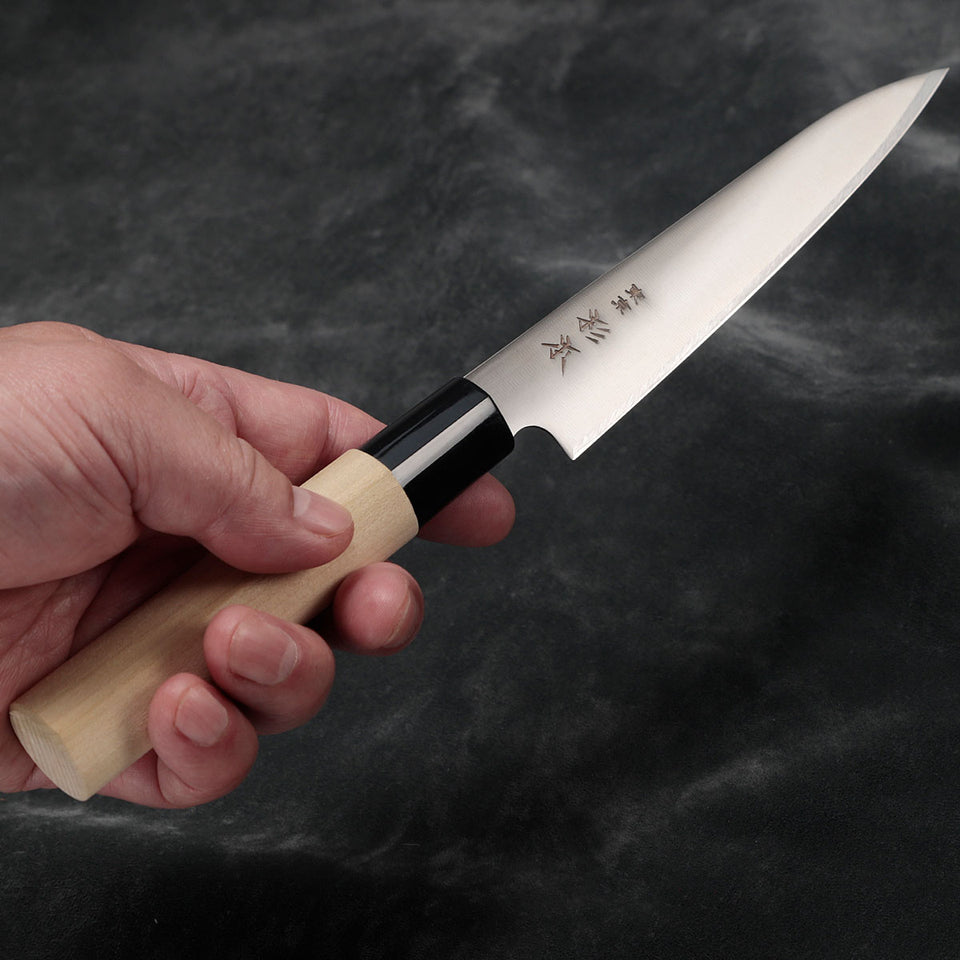
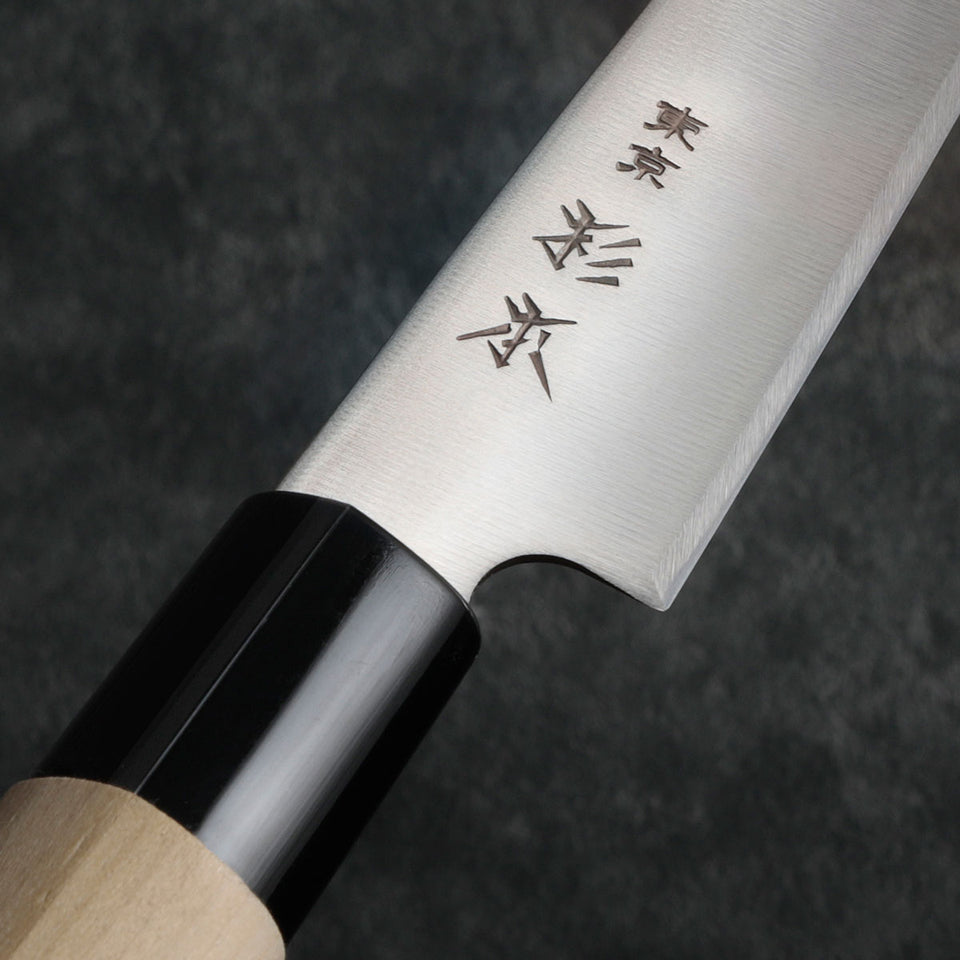
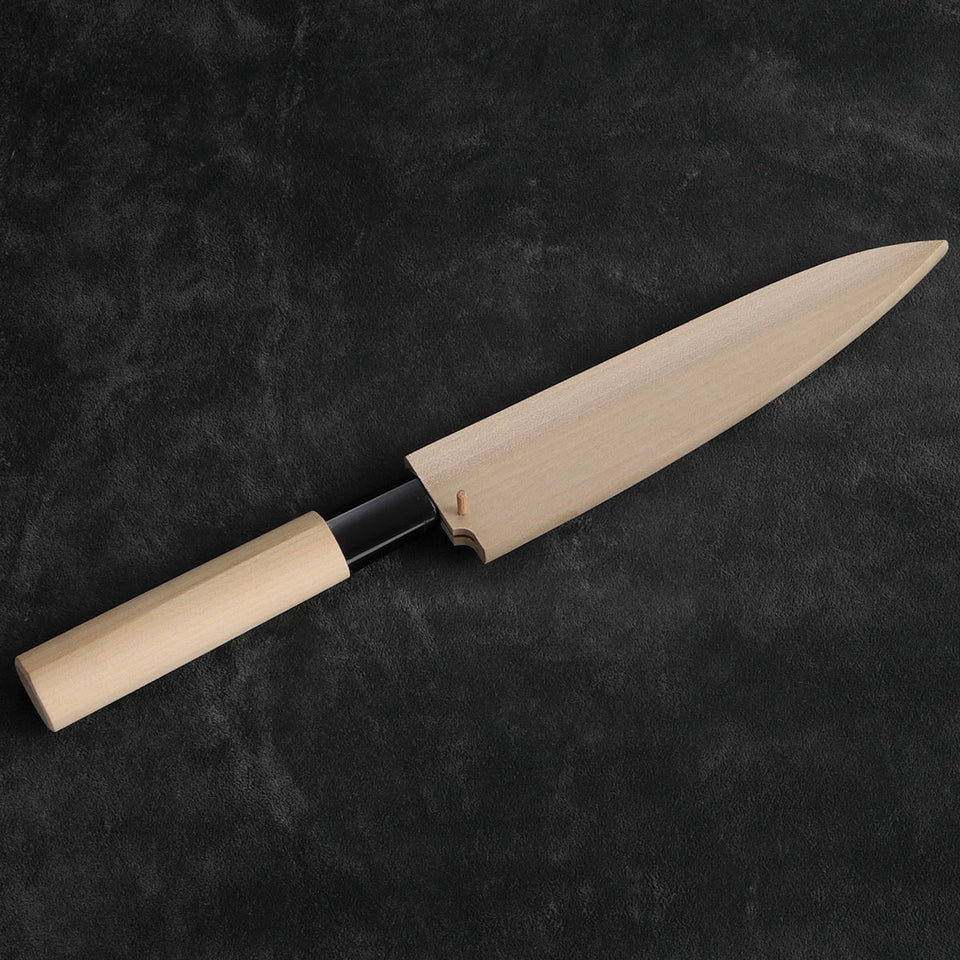
The Japanese-style Petty Knife is a premium artisanal blade designed for maximum control and precision, perfect for peeling, slicing, shaping, and trimming in tight spaces. Its fine-tipped 150mm (5.9 inches) blade unlocks new levels of creativity in shaping and presentation, helping elevate the beauty of every dish you create. Featuring a traditional maple-wood handle, it offers a smooth, natural texture that feels as good as it looks, making it a joy to use. Handmade and sharpened by master bladesmiths, this knife guarantees prolonged sharpness, durability, and effortless slicing for years, making it an essential tool for passionate home cooks and professional chefs who take pride in every cut. Crafted from CM stainless steel for rust resistance and low maintenance, the Japanese Petty Knife blends beauty, functionality, and lasting performance into one exceptional kitchen companion.

Damascus Santoku Knife with Japanese Handle - All-purpose Premium Japanese Artisanal Knife

$1,199.00
Quick view

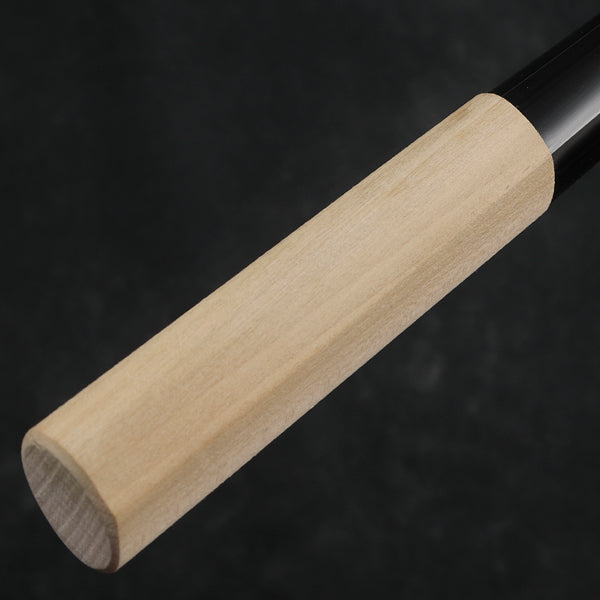
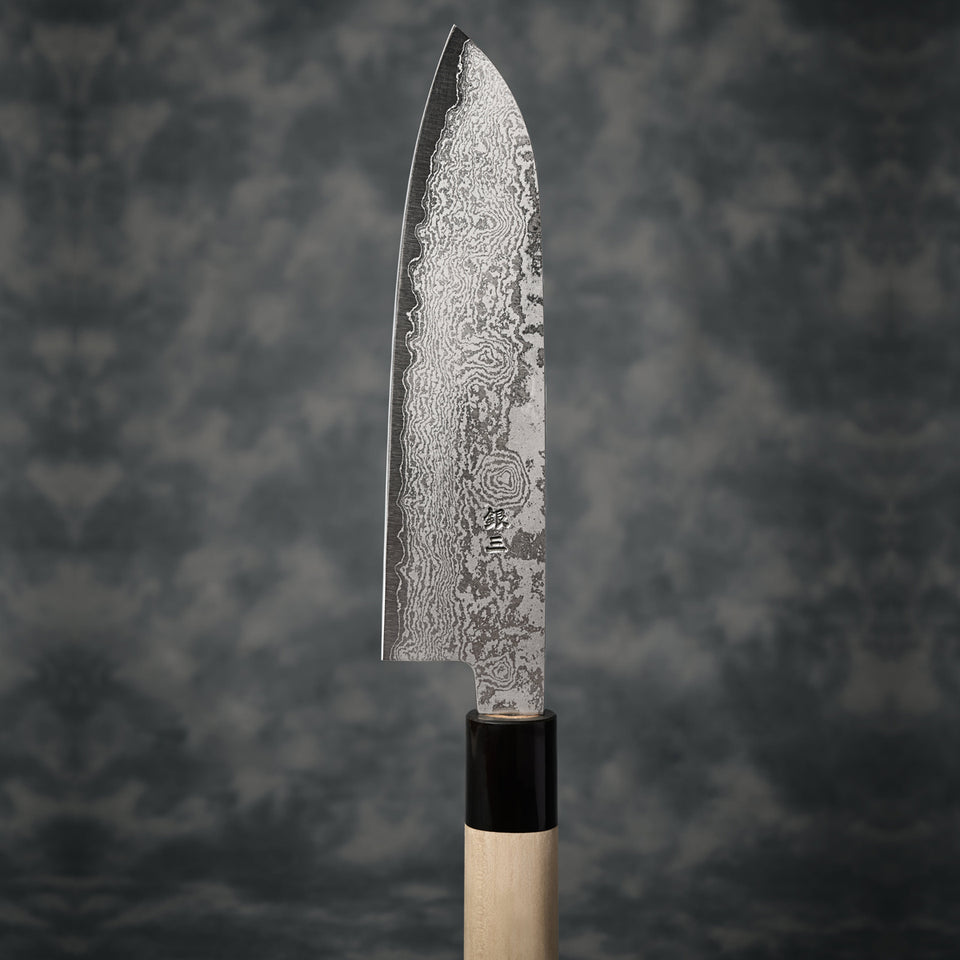
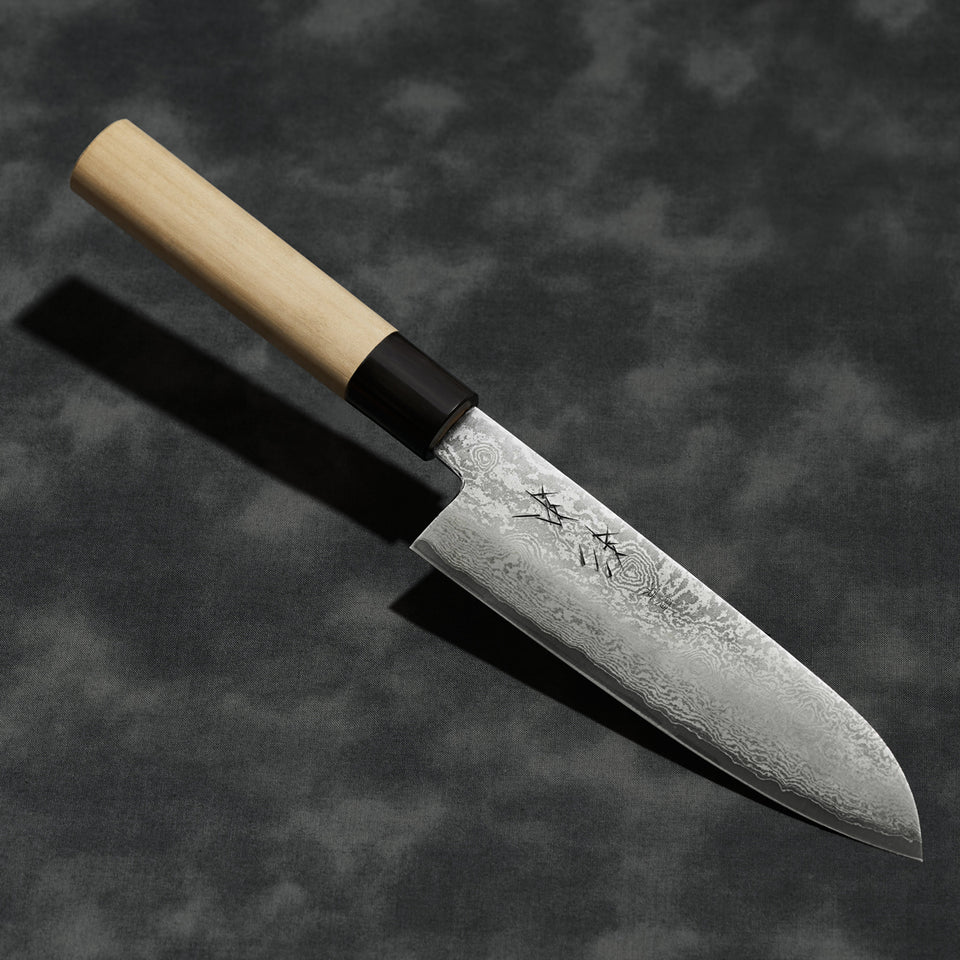
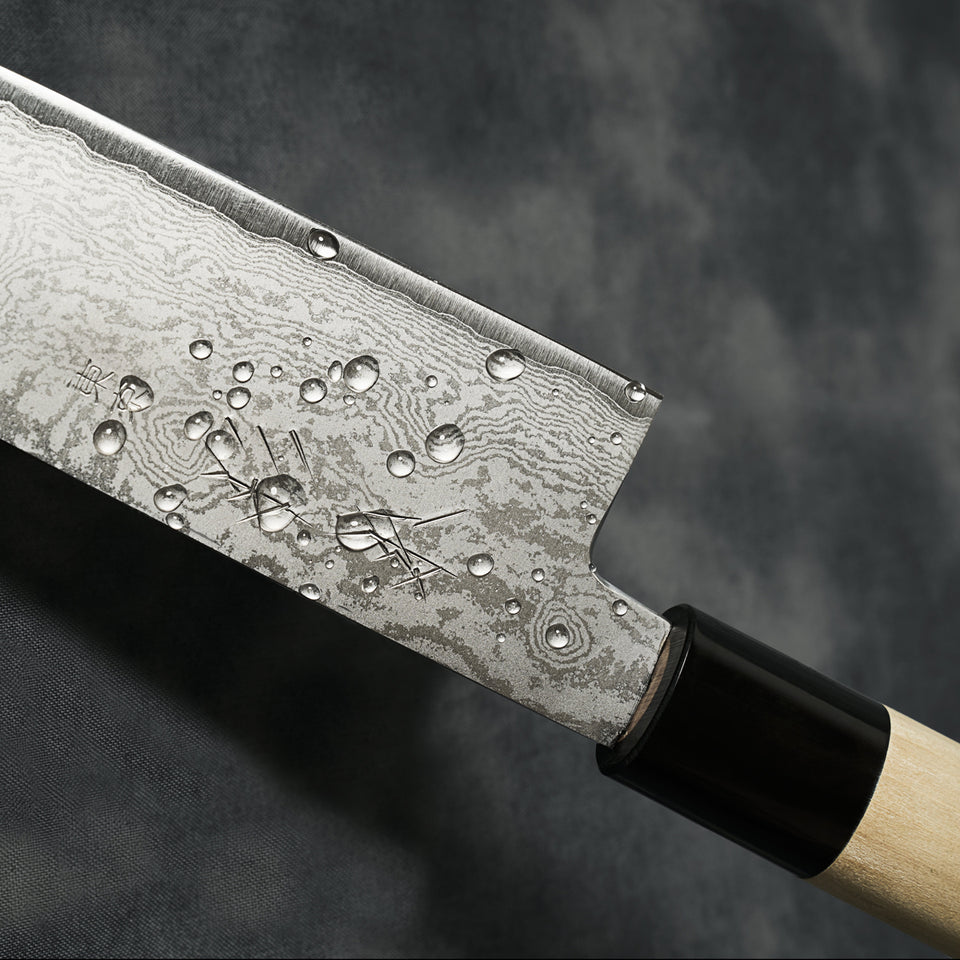
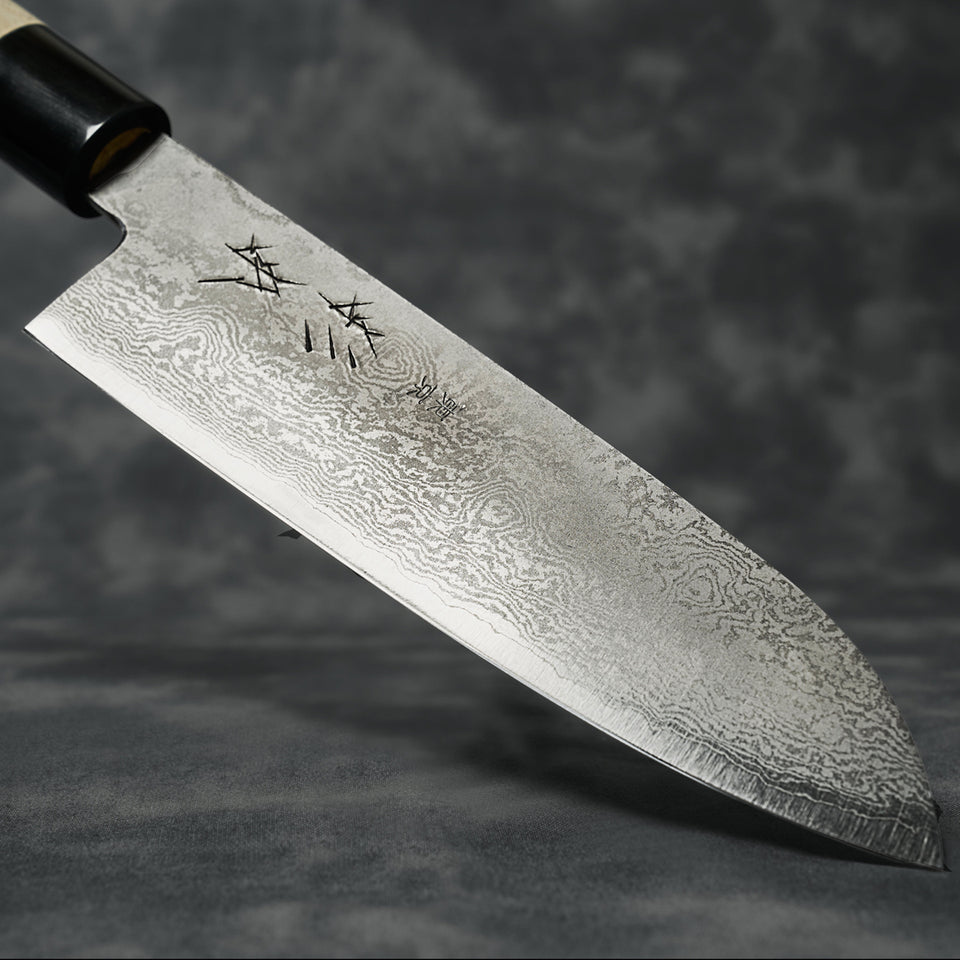
A true masterpiece of craftsmanship, our Japanese Damascus Santoku knife beautifully unites exquisite patterns with exceptional performance. Crafted entirely in Japan by skilled artisan bladesmiths, each blade showcases the iconic wave-like Damascus patterns, symbolizing timeless Japanese aesthetics and superior quality. Unlike mass-produced imitations with printed patterns, our genuine Damascus blade is meticulously forged through the traditional layering and folding process, requiring over 200 hours of expert dedication to create a knife of remarkable strength, flexibility, and beauty.

This premium Santoku, embodying the revered "three virtues," excels at slicing vegetables, meat, and fish with precision and ease, making it the perfect daily companion for both home cooks and professional chefs. Made from CM stainless steel for rust resistance and low maintenance, the knife features a high-quality magnolia wood handle, available with either a plastic or buffalo horn collar. With a blade length of 180mm (7.1 inches) and a double bevel edge, this limited-production Santoku offers unmatched versatility, durability, and artistry—bringing both function and tradition to your kitchen.


Related Articles You May Be Interested

Everything You Need to Know About the History of Japanese Knives
About Mr. Ueta’s Injury and His Work
Everything You need to know about Gyuto Knife
10 Benefits of Buying a Japanese Knife
Japanese Knife Co. to introduces Premium Japanese Scissors
Behind the Scene – How We Made the Homepage Video

Get Free Bonus Books

Join Japanese Knife Club

Sign up for free to the Japanese Knife Club to get advice and exclusive articles about how to choose Japanese Knives, and tips and tricks for using Japanese knives.

Unsubscribe anytime. It’s free!

About the author

Kei Nishida

Author, CEO Dream of Japan

info@dreamofJapan.com

Certification: PMP, BS in Computer Science

Education: Western Washington University
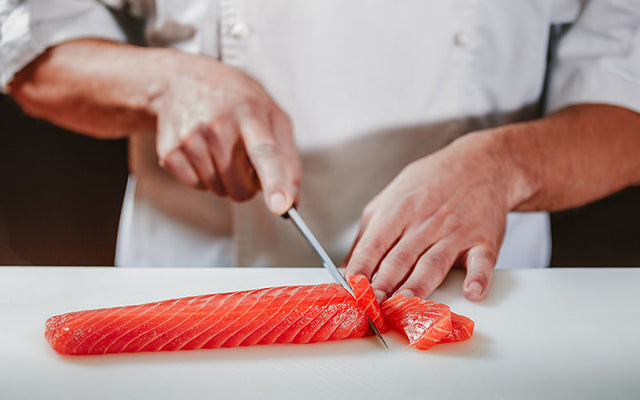
Kei Nishida is a passionate advocate of Japanese craftsmanship, a writer, and the founder and CEO of Japanese Knife Co., Japanese Green Tea Co., and Japanese Coffee Co., all part of Dream of Japan.

His journey began with a mission to introduce the world to the exquisite flavors of Japanese green tea. Through Japanese Green Tea Co., he pioneered the import of premium tea grown in nutrient-rich sugarcane soil, earning multiple Global Tea Champion awards. He then expanded into the world of coffee, launching Japanese Coffee Co., the first company to bring Sumiyaki charcoal-roasted coffee to a global audience.

With a deep appreciation for Japanese artistry and tradition, Kei turned his attention to one of Japan’s most revered crafts: bladesmithing. Through Japanese Knife Co., he made handcrafted katana-style knives, created by a renowned katana maker, available outside Japan for the first time. These exceptional knives embody centuries of samurai sword-making expertise, blending tradition with modern functionality for chefs and collectors alike.

Kei’s journey continues as he uncovers and shares Japan’s hidden treasures—one sip, one blade, and one legacy at a time.

Related Posts

Is Single Bevel Only Japanese?

Single bevel knives, known for unmatched precision, aren't exclusive to Japanese blades but exemplify their craftsmanshi

Read More
How to Spot a Fake Japanese Knife

With the help of our in-depth tutorial, learn how to identify fake Japanese knives. Make sure you receive the genuine ar

Read More
How to Choose Your First Japanese Knife

Learn about the craft of Japanese knifemaking and find your ideal fit. You can browse the many types and features with t

Read More
Leave a comment

Your email address will not be published..

Your cart is currently empty.

Start Shopping

Select options