Skip to content

Blade styles - Western vs. Japanese Knives

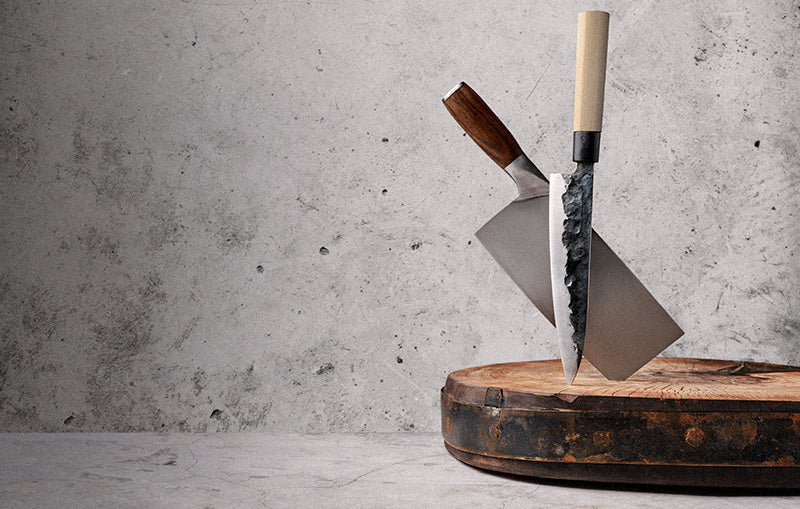
Any blade design is good as long as it can effectively slice the food and is safe to use. Japanese Knives are as popular as western knives, but what are their differences, and which is better to use? Let there be a match and know more about these knives. 

What are Western-style knives?

Blades used in western knives are typically made of stainless steel or high-carbon stainless steel. These materials offer good corrosion resistance and durability. However, the shape and size of the blade depends on the specific type of knife.

Western-style chef's knives usually have broad, tapered blades that are well-suited for chopping, slicing, and dicing. Paring knives have shorter, pointed blades that are useful for precise cutting tasks. Bread knives typically have serrated blades that can cut through crusty bread without crushing it.

Blades for western knives can be sharpened using various methods, including honing rods, sharpening stones, and electric sharpeners. Maintaining a consistent angle while sharpening the blade is essential to ensure a sharp and even edge.

About Japanese knives

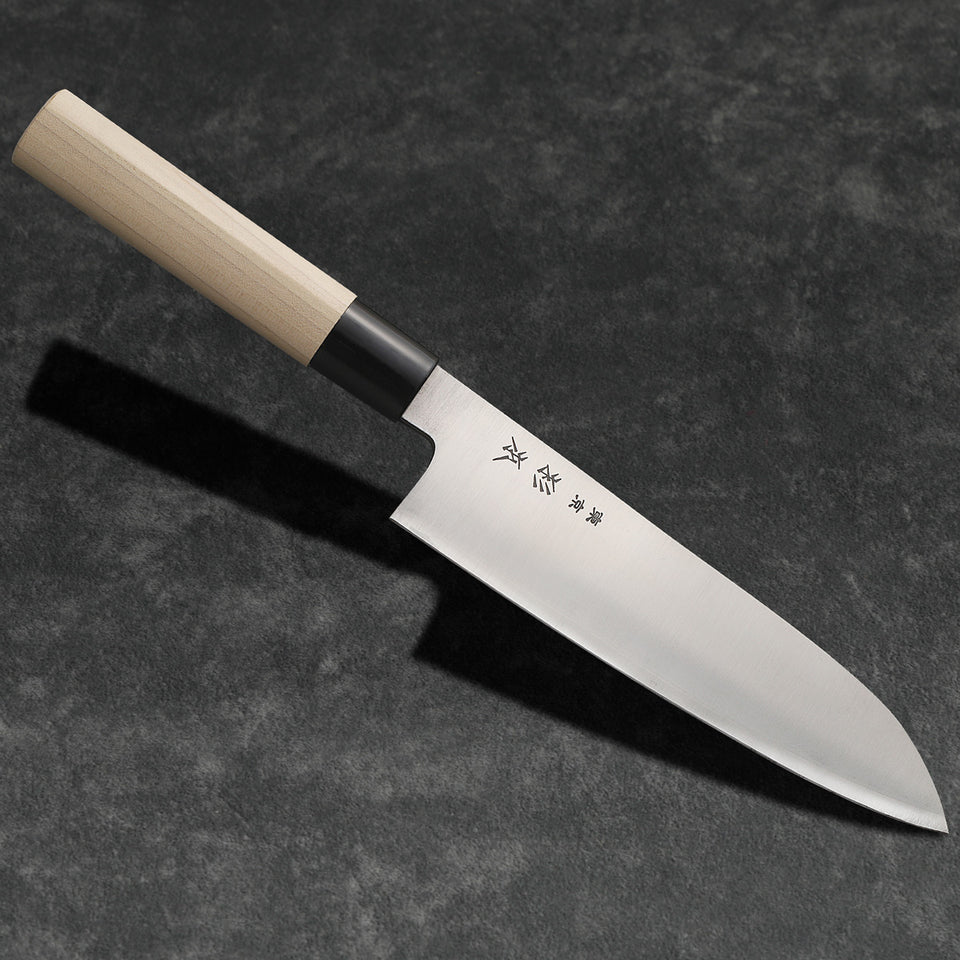
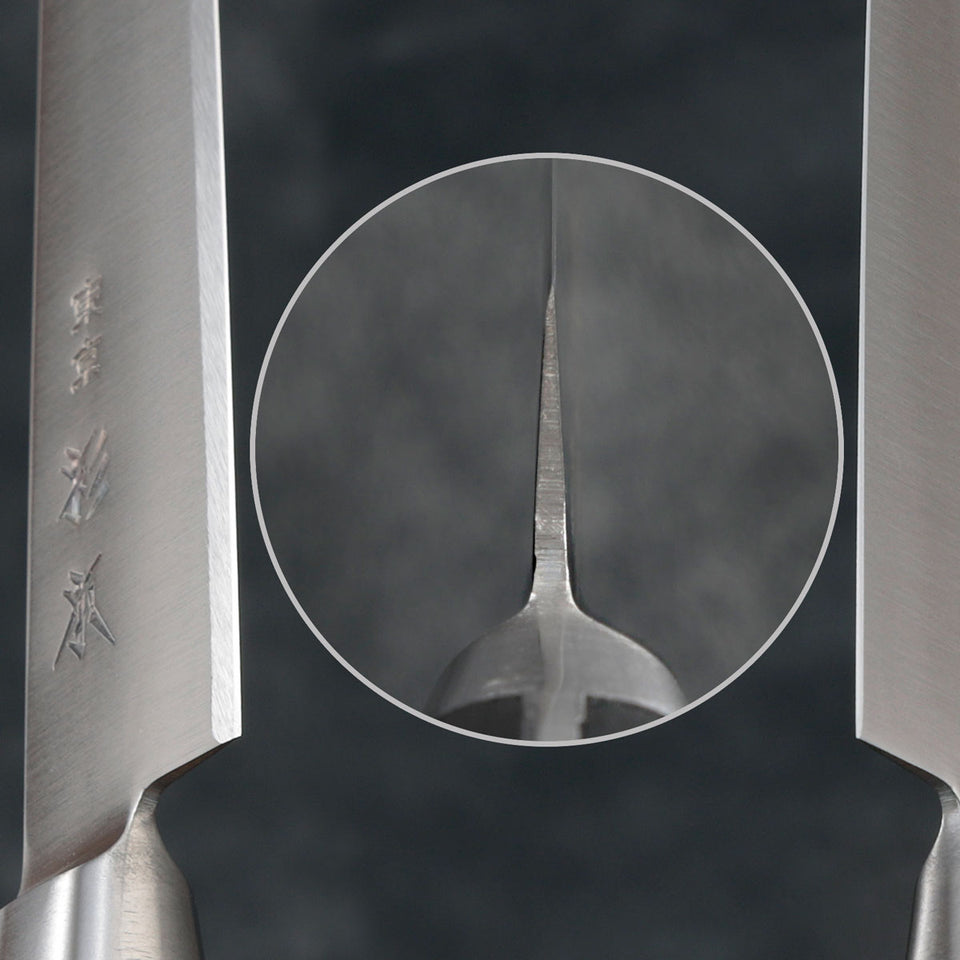
Blades in Japanese knives are typically made of high-carbon steel or a combination of high-carbon steel and other metals like nickel, cobalt, or molybdenum. This type of steel used is known for its hardness, durability, and ability to hold a sharp edge.

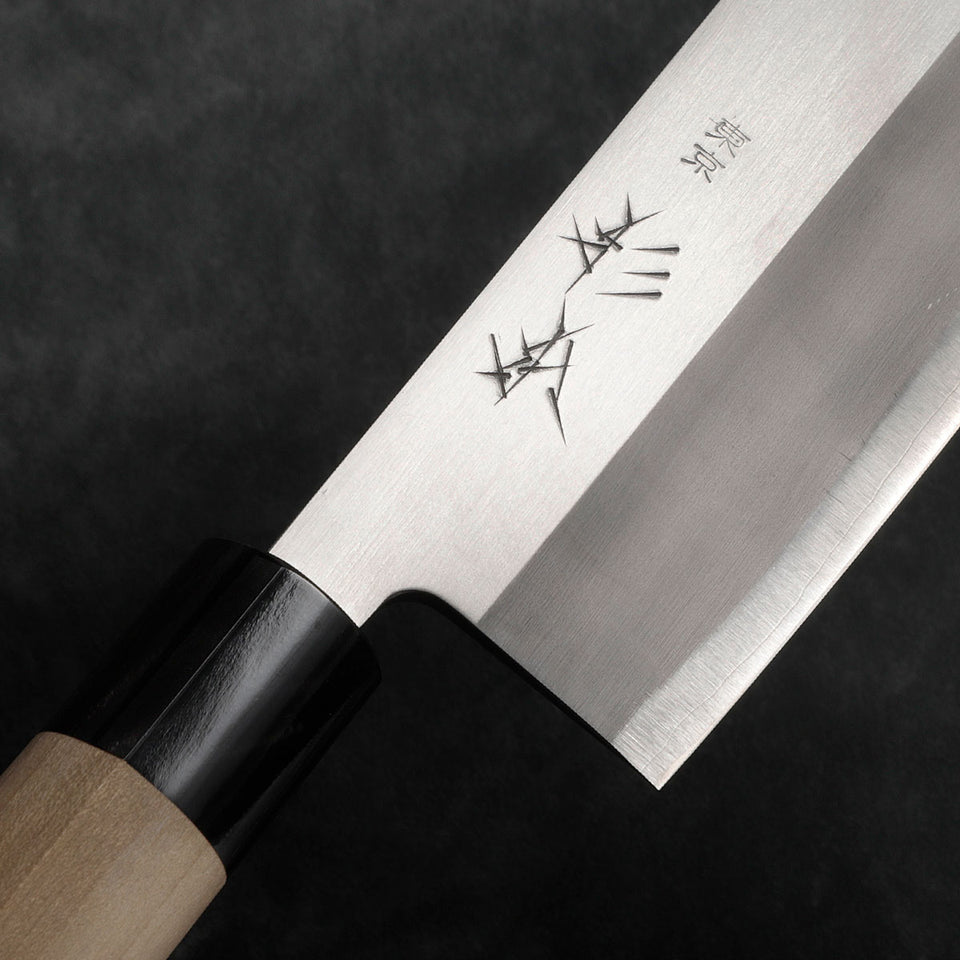
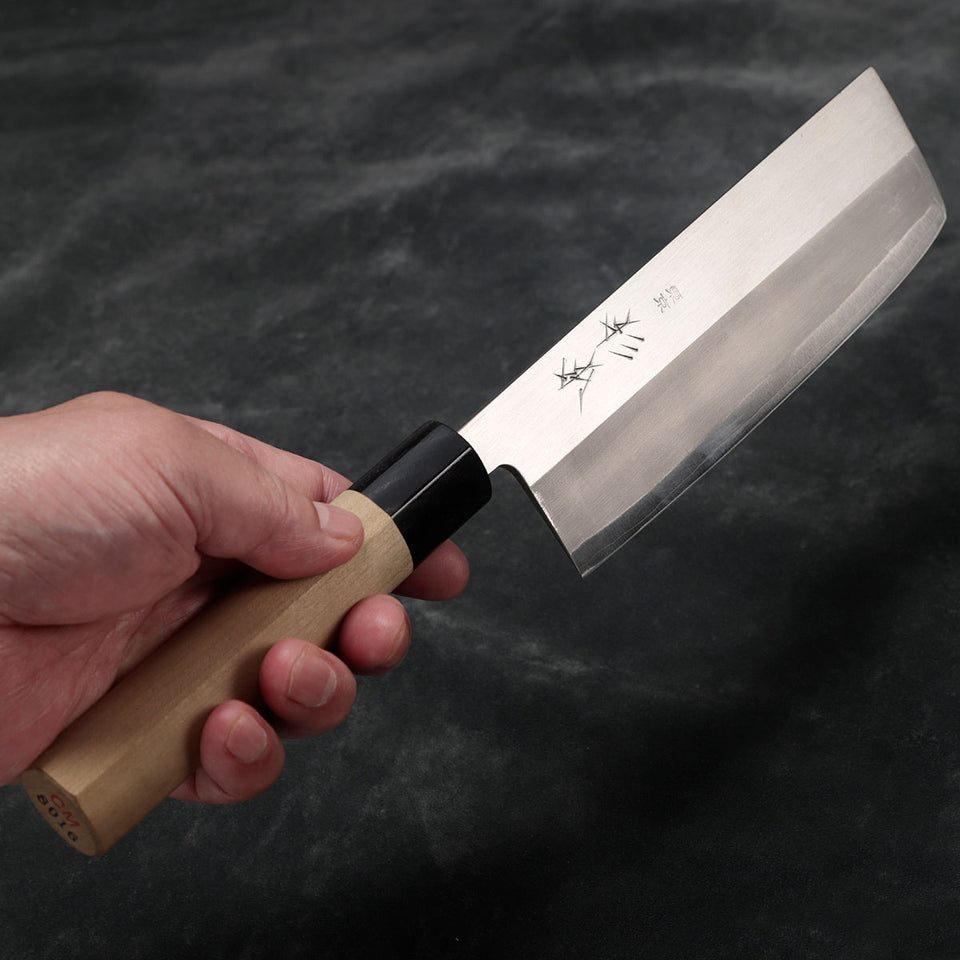
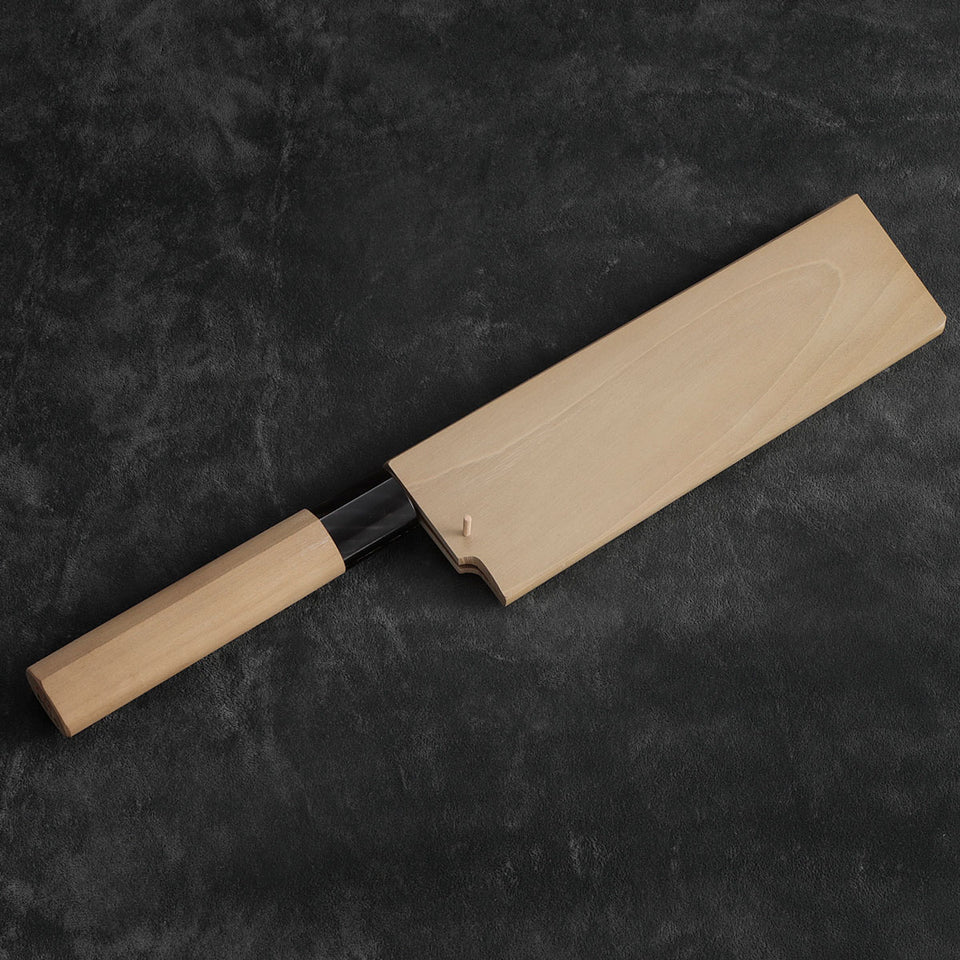
The blade shape of Japanese knives can vary widely depending on the type of knife. For example, a gyuto (Japanese-style chef's knife) has a longer and thinner blade than a western-style chef's knife. On the other hand, a nakiri (Japanese-style vegetable knife) has a rectangular-shaped blade that is well-suited for chopping vegetables. 

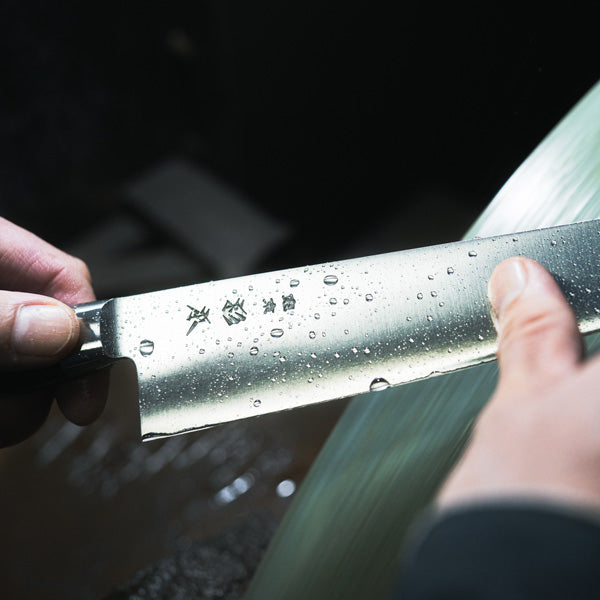
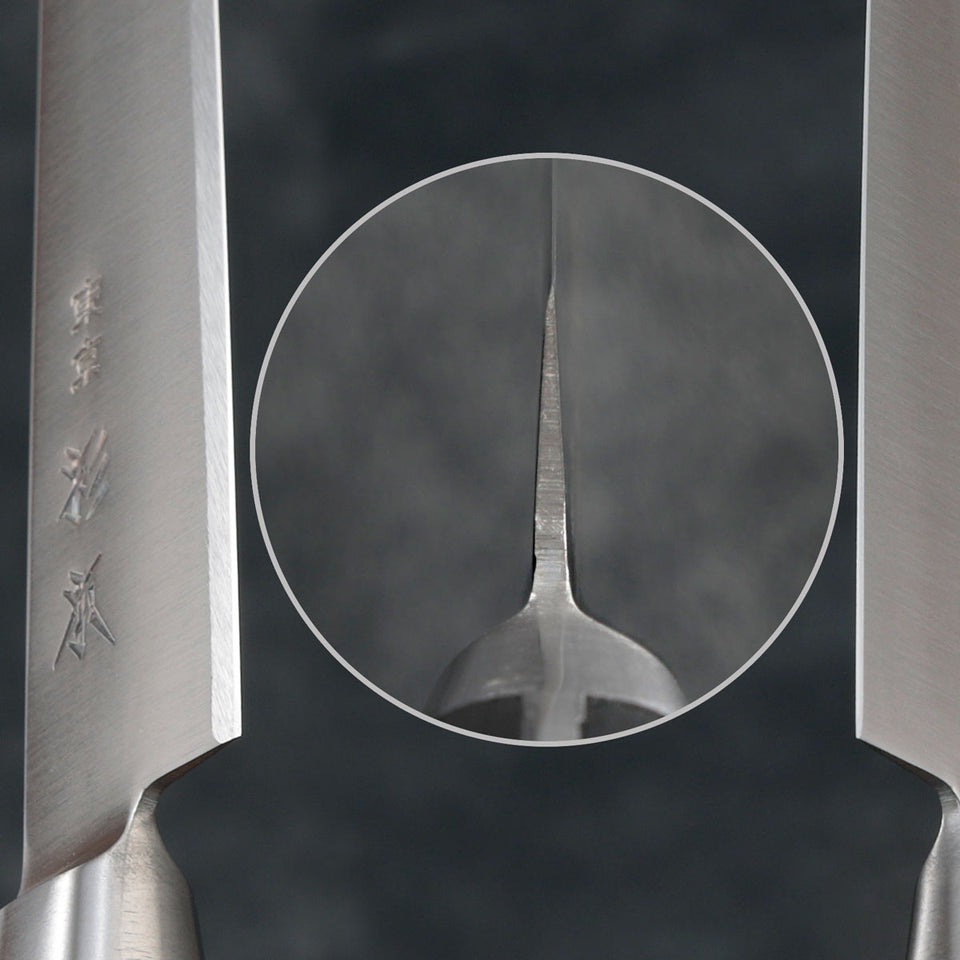
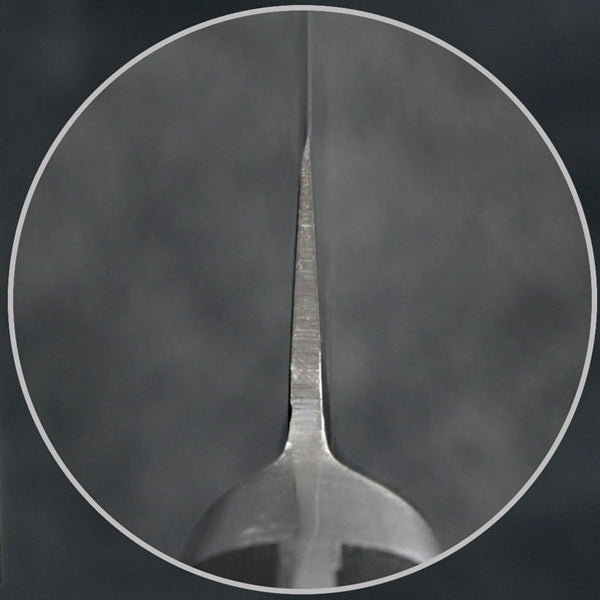
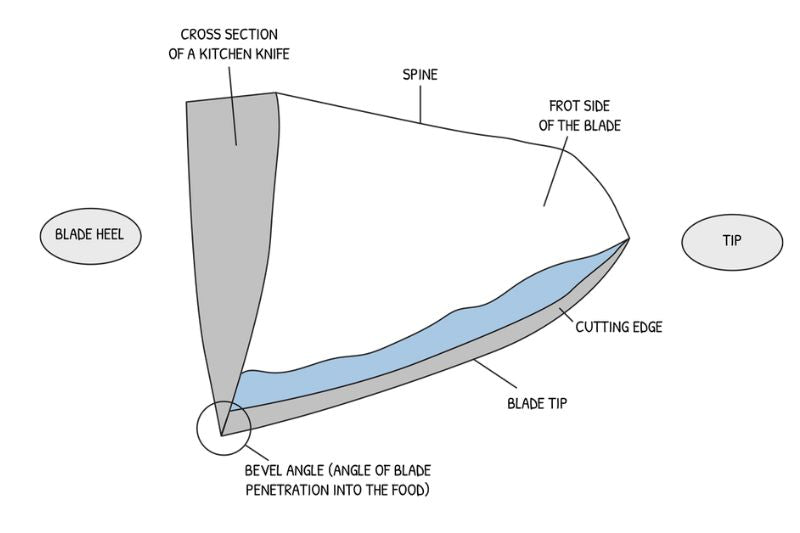
Japanese knives are often sharpened to a sharper angle than western knives, typically around 15-18 degrees per side. The sharpening process is also different, often involving using whetstones to achieve a precise and razor-sharp edge. The blade also tends to be thinner and lighter than a western knife, which can provide greater precision and control during cutting tasks.

Japanese knives and western knives differ in several ways, including:

1. Blade material

Japanese knives often use harder, high-carbon steel, which allows for a sharper, more precise edge than the softer stainless steel commonly used in western knives.

2. Blade shape

Japanese knives tend to have thinner, lighter blades with a sharper angle, which can provide greater precision and control during cutting tasks. Western knives tend to have thicker, heavier blades with a broader edge, which can be better for heavy-duty cutting tasks.

3. Handle

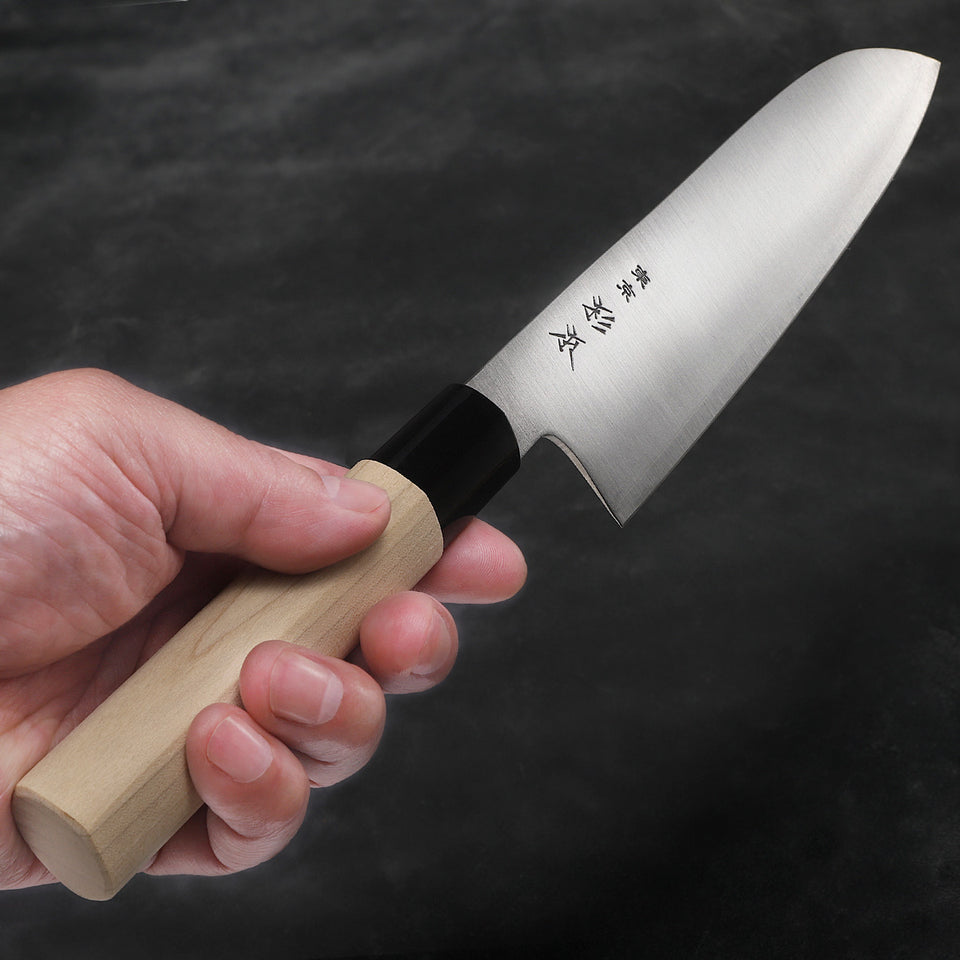
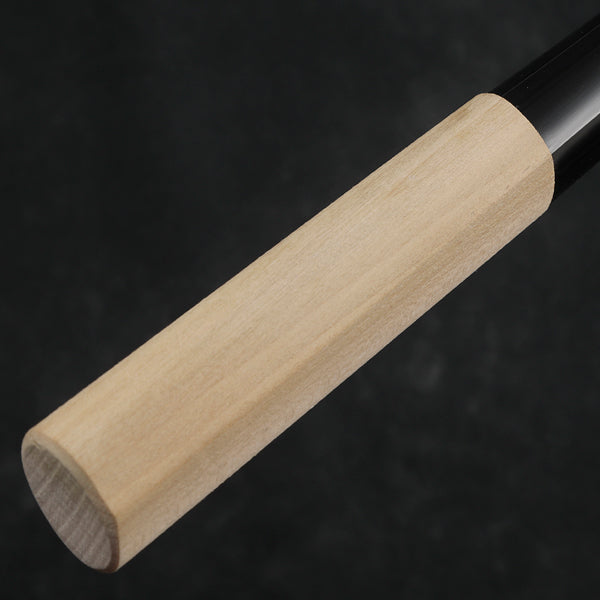
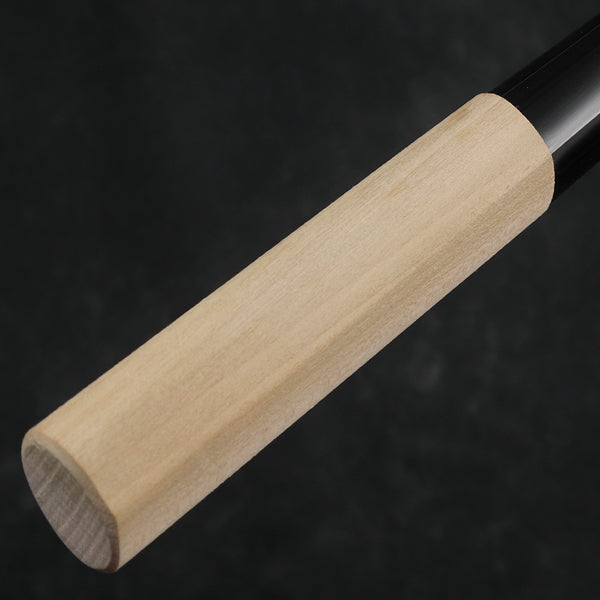
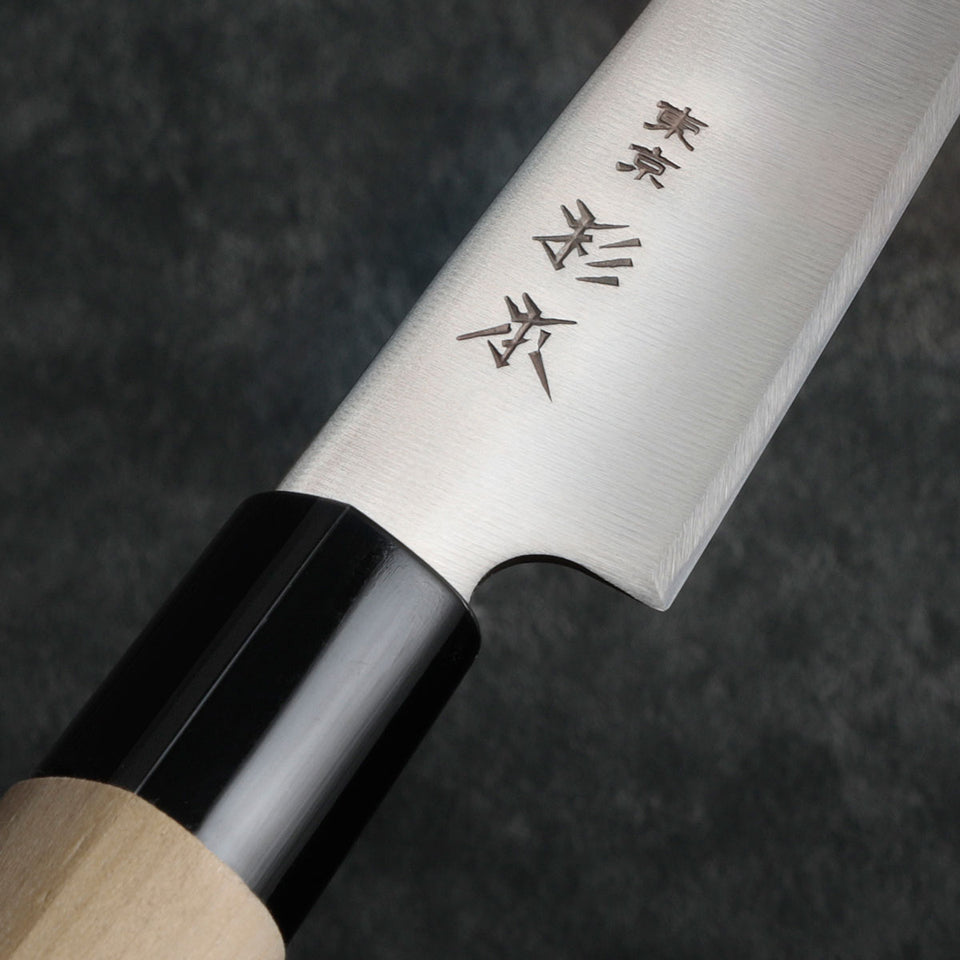
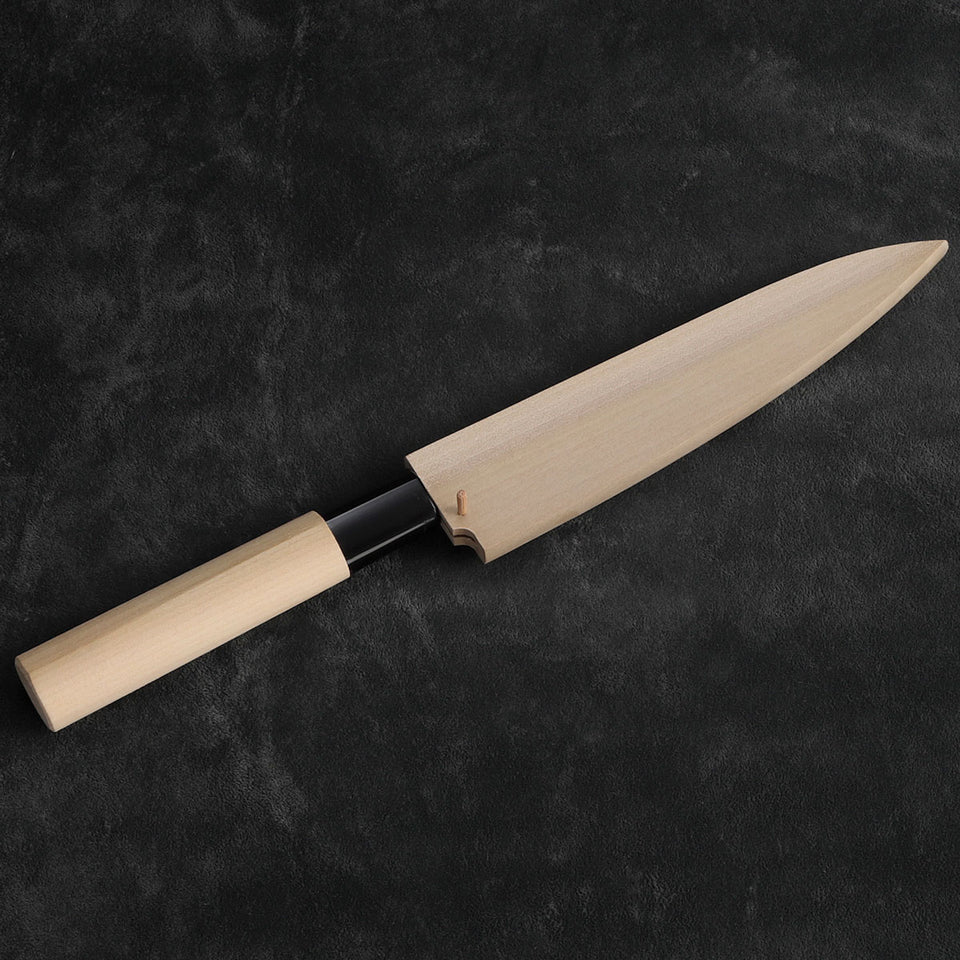
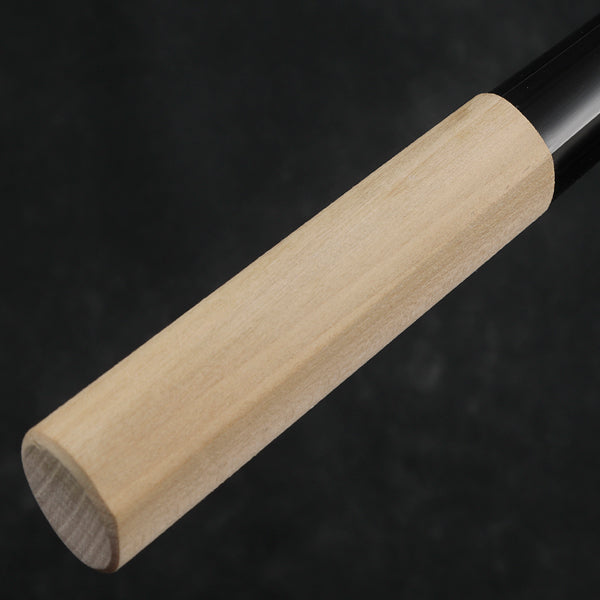
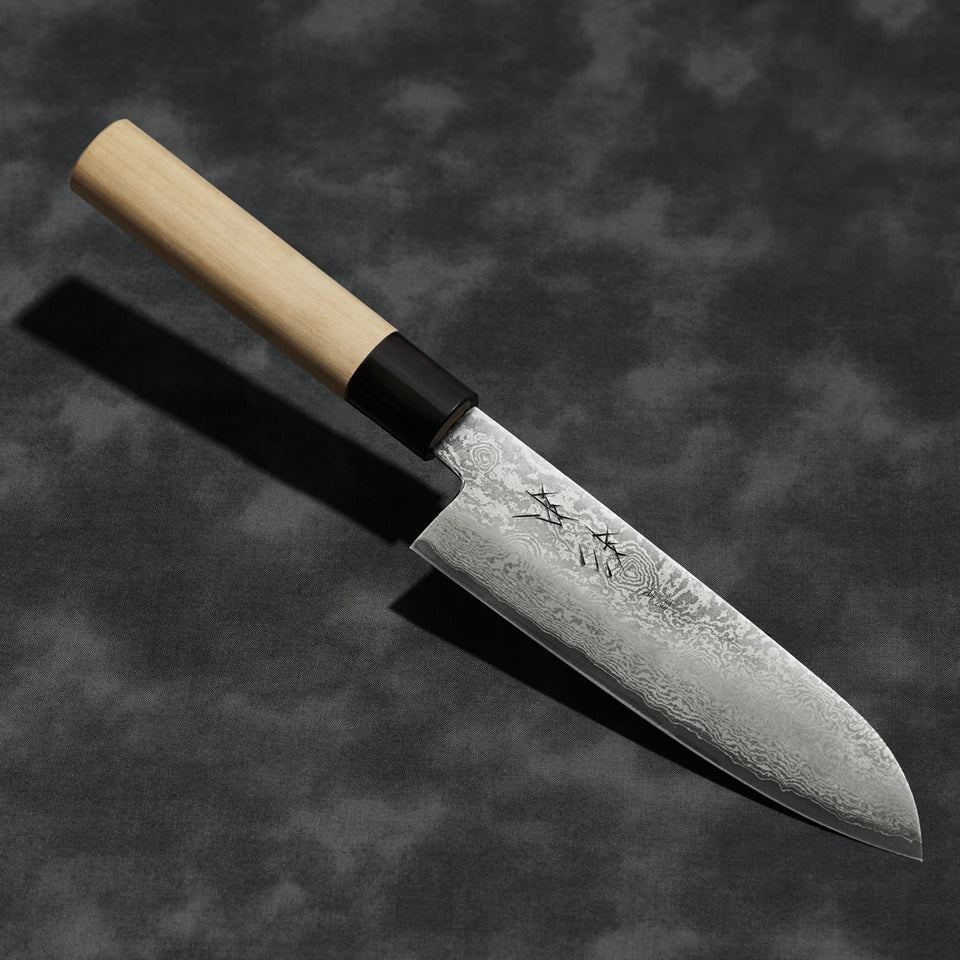
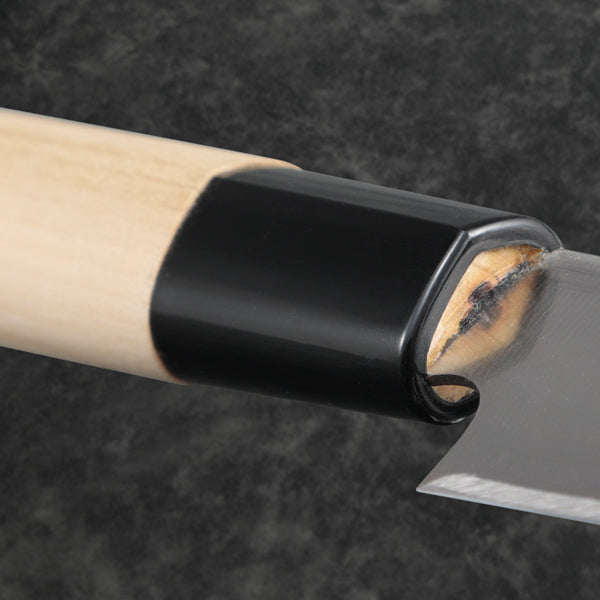
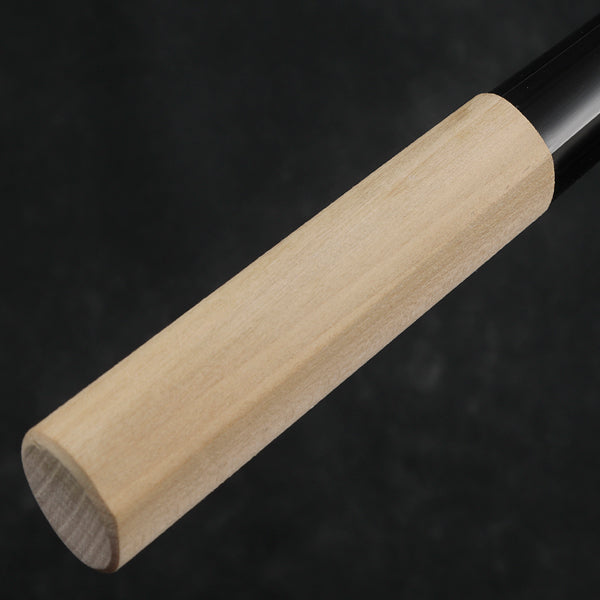
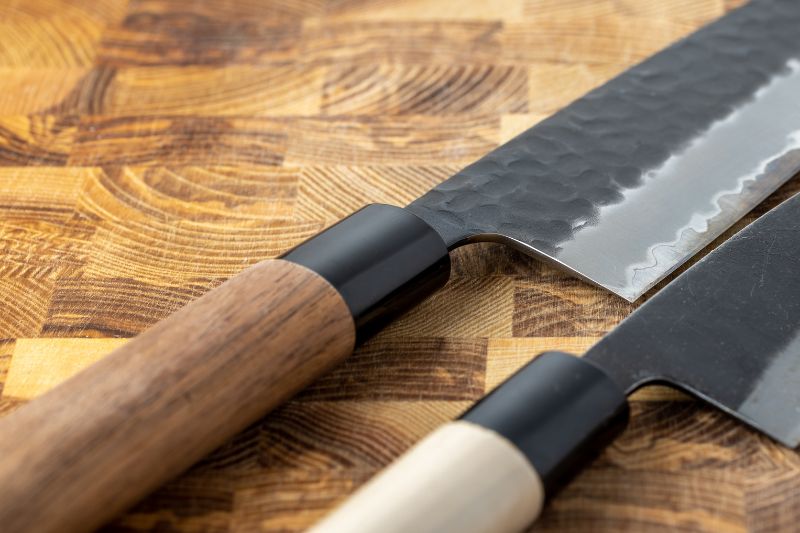
Japanese knives typically have a traditional wooden handle that is often made of magnolia wood. In contrast, western knives usually have a synthetic or plastic handle that may be more durable and easier to clean.

4. Cutting technique

The sharpness and precision of Japanese knives make them well-suited for a slicing technique, while western knives are better for rocking or chopping motions.

5. Price

Japanese knives tend to be more expensive than western knives due to their high-quality materials and craftsmanship.

6. Aesthetics

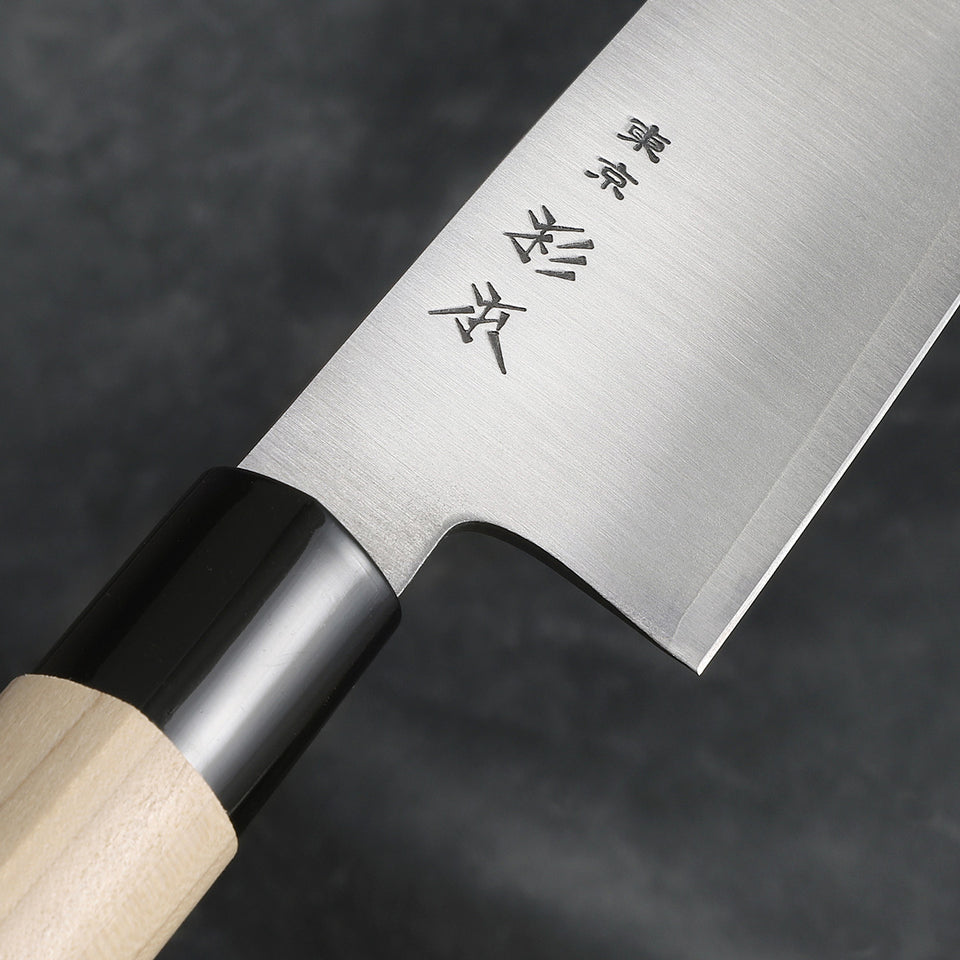
Japanese knives are often considered works of art, with beautiful and distinctive blade shapes, patterns, and finishes. Western knives tend to have a simpler, more practical design.

Pros of using Western knives over Japanese knives

Some potential pros of using western knives over Japanese knives include the following:

1. Durability

Western knives often use stainless steel or high-carbon stainless steel, which can be more resistant to corrosion and rust than the high-carbon steel used in Japanese knives. These can make western knives more durable and easier to maintain over time.

2. Versatility

Western knives often have a broader, heavier blade with a curved edge that is well-suited for various cutting tasks, including chopping, slicing, and dicing. This versatility can make them a good choice for home cooks who need a single, all-purpose knife.

3. Comfort

Western knives typically have a heavier, more substantial handle that can be more comfortable to grip and maneuver, especially for people with larger hands or who are new to using knives.

4. Lower cost

Western knives are often less expensive than Japanese ones, making them a more affordable choice for home cooks on a budget.

Pros of using Japanese knives over Western knives

Some potential pros of using Japanese knives over western knives:

1. Sharpness

Japanese knives are typically made of harder steel, which allows for a sharper, more precise edge that can make cutting and slicing tasks easier and more efficient.

2. Lightweight

Japanese knives often have thinner, lighter blades and handles, which can provide greater precision and control during cutting tasks. These blades can make them a good choice for delicate or intricate cutting tasks.

3. Cutting technique

The sharpness and precision of Japanese knives make them well-suited for a slicing technique, which can help to maintain the integrity and flavor of delicate ingredients like fish and vegetables.

4. Aesthetics

Japanese knives are often considered works of art, with beautiful and distinctive blade shapes, patterns, and finishes that can add a touch of elegance to any kitchen.

5. Craftsmanship

Japanese knives are often made by skilled artisans who use traditional techniques and take great pride in their work. their work can result in knives of exceptional quality and durability.

Overall, it's important to note that both types of knives have their strengths and weaknesses, and the choice of which to use may depend on personal preference, the kind of cutting task, and the user's level of experience.

Blade styles - Western vs. Japanese Knives — Frequently Asked Questions

Which blade is sharper out of the box — Western or Japanese?

Japanese, by a meaningful margin. A Japanese kitchen knife is typically sharpened to 12–15 degrees per side at the factory; a Western knife runs 18–22 degrees. The shallower angle plus harder steel (60–63 HRC vs 56–58 HRC) means a Japanese blade slices a tomato on its own weight, while a Western blade needs a small push. The trade-off is that Japanese edges chip more easily on bones or hard frozen food. For everyday vegetable and boneless meat work, Japanese sharpness is genuinely felt; for breaking down chicken thighs with bones, the Western edge survives the abuse better.

Can I keep both Western and Japanese knives in the same kitchen?

Yes, and many cooks do — they cover different jobs. Use the Japanese knife (gyuto, santoku, or nakiri) for vegetables, boneless meat, and fish. Keep a heavier Western chef's knife or a cleaver for chicken-with-bones, frozen meat, watermelon rinds, and anything you'd normally hammer through. Storage tip: don't mix them in the same drawer or block where edges can collide; separate spaces or sayas keep both blades happy. Most home cooks find this two-knife approach gives them everything they need. Browse our Japanese knife collection for the Japanese half of the kit.

Why does a Japanese knife feel so much lighter than a German chef's knife?

Thinner blade, smaller bolster, often a different handle balance. A German chef's knife is built around mass — a thick spine, full bolster at the heel, and a heavy riveted handle that pulls the balance back into the hand. A Japanese gyuto is built around speed — thinner spine (sometimes 2–3 mm), partial or no bolster, and a lighter handle that puts the balance forward over the blade. The cumulative weight difference is often 30–50 grams, which sounds small but feels dramatic when you're prepping for an hour. Read our Japanese vs German guide for the deeper comparison.

Japanese Knives vs. German Knives

I'm switching from a Western chef's knife — which Japanese knife will feel most familiar?

A 210 mm gyuto with a Western (yo) handle. The blade shape is closest to a Western chef's knife — same slight curve toward the tip, same all-purpose role — and the riveted Western handle keeps the grip familiar while you adjust to the lighter blade. A santoku or bunka would also work but the flatter edge demands learning push-cuts instead of rocking, which adds a learning curve. The gyuto lets you keep your existing technique and just feel the blade upgrade. Browse our gyuto collection.

Everything You need to know about Gyuto Knife

Are Japanese knives more fragile than Western knives?

Yes, but only in specific ways. The thinner, harder edge chips on impact (bones, frozen food, glass cutting boards) where a Western edge would just dull or roll. The blade itself doesn't break — it bends or chips at the edge. As long as you don't use the Japanese knife as a pry bar or hammer, the "fragility" never shows up. Most home cooks who switch to Japanese knives never chip a single edge in years of cooking. Read our edge chipping guide for what to avoid.

How to minimize edge chipping on Japanese knives

Related products
1 review

Gyuto Knife with Japanese Handle - All-purpose Premium Japanese Artisanal Knife

$360.00
Quick view

The Japanese Gyuto knife is the ultimate multi-purpose blade, perfect for everyone from beginner home cooks to seasoned chefs. As the Japanese counterpart to the Western chef’s knife—only thinner, lighter, and sharper—it excels at chopping, slicing, and dicing almost anything in the kitchen with effortless precision. This variation features a beautiful maple-wood handle that not only adds a natural, elegant aesthetic but also provides a smooth, earthy texture for enhanced control and comfort. Crafted with CM stainless steel, it offers exceptional sharpness, durability, and rust resistance, ensuring years of effortless slicing. With a blade length of 180mm (7.1 inches) and a double bevel edge, this handmade, hand-braided, and hand-sharpened Gyuto is a versatile and essential tool that elevates both the appearance and taste of your culinary creations. This product is available for shipping within the USA only.

Santoku Knife - Premium Japanese Artisanal Knife

$250.00
Quick view

The Santoku knife is revered for its control, precision, and sharpness, making it the master of slicing, mincing, and dicing in both professional and home kitchens. Traditionally favored for high-precision tasks like sushi and sashimi preparation, its versatility extends to cutting meat, fish, and vegetables with ease, supported by a comfortable, easy-to-control handle. Handmade by master bladesmiths using techniques passed down through generations, each Santoku offers extraordinary quality that elevates every slice. Named after the "Three Virtues"—meat, vegetables, and fish—the Santoku’s shorter, thicker, straight-edged blade with a sheep foot-shaped tip enhances the appearance, taste, and texture of your food while delivering exceptional performance with minimal maintenance, thanks to its CM stainless steel and Western-style handle. With a blade length of 170mm (6.7 inches), it is the ultimate daily knife for any cooking enthusiast.

1 review

Nakiri Knife - Vegetable Cutting/Slicing/Mincing Premium Japanese Artisanal Knife

$290.00
Quick view

The Nakiri knife (菜切包丁) is a highly versatile and efficient tool, traditionally used in Japan for cutting vegetables with supreme speed and precision. Its thin, lightweight rectangular blade allows for quick, clean, and effortless slicing without the need for a rocking motion, keeping your knuckles safely away from the cutting board while delivering beautifully thin, even slices every time. Perfect for delicate vegetables and even light filleting tasks, the Nakiri offers incredible control and minimizes damage to ingredients, preserving their flavor and texture. Handmade and sharpened by master bladesmiths, this 165mm (6.5 inches) knife features a traditional Japanese magnolia wood handle with a plastic collar and is available with either CM Stainless for easy maintenance or Kasumi Superlative Carbon Steel for a more traditional sharpening experience. With its unparalleled usability from tip to tail, the Nakiri is an invaluable asset for anyone seeking speed, consistency, and elegance in their kitchen work.

1 review

Petty Knife with Japanese Handle - Premium Artisanal Knife

$179.00
Quick view

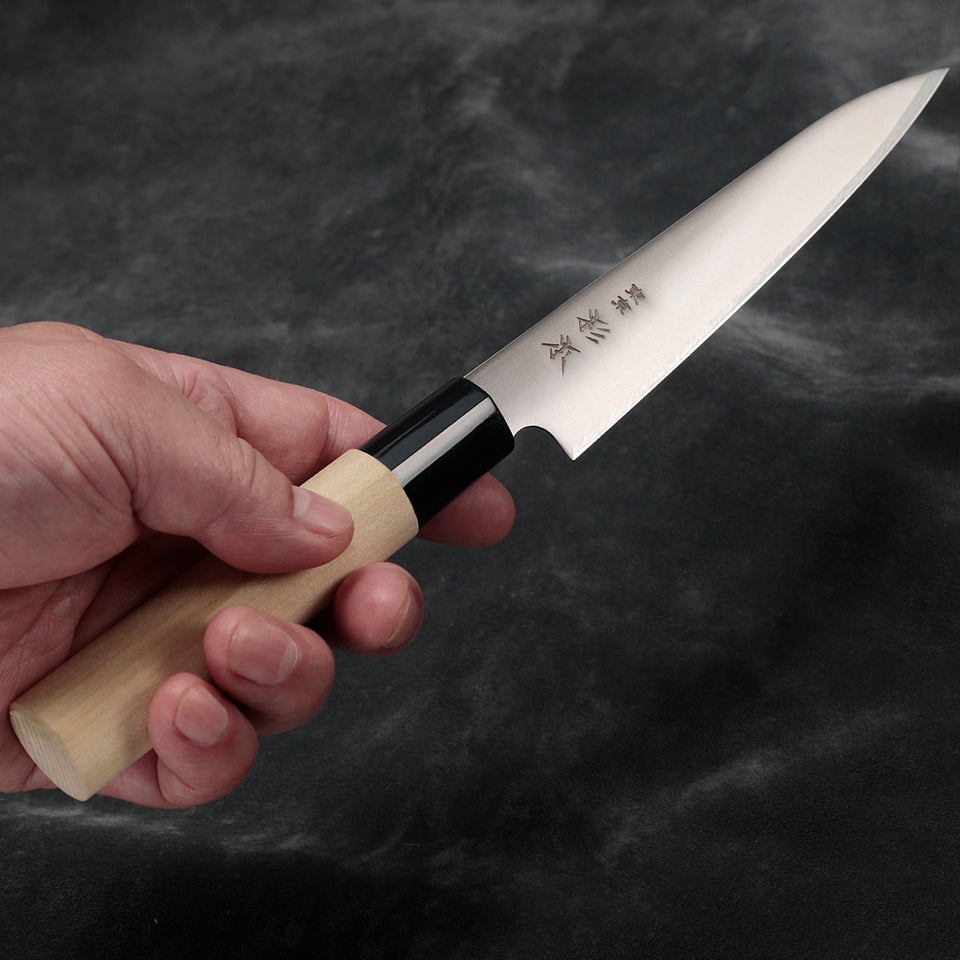
The Japanese-style Petty Knife is a premium artisanal blade designed for maximum control and precision, perfect for peeling, slicing, shaping, and trimming in tight spaces. Its fine-tipped 150mm (5.9 inches) blade unlocks new levels of creativity in shaping and presentation, helping elevate the beauty of every dish you create. Featuring a traditional maple-wood handle, it offers a smooth, natural texture that feels as good as it looks, making it a joy to use. Handmade and sharpened by master bladesmiths, this knife guarantees prolonged sharpness, durability, and effortless slicing for years, making it an essential tool for passionate home cooks and professional chefs who take pride in every cut. Crafted from CM stainless steel for rust resistance and low maintenance, the Japanese Petty Knife blends beauty, functionality, and lasting performance into one exceptional kitchen companion.

Damascus Santoku Knife with Japanese Handle - All-purpose Premium Japanese Artisanal Knife

$1,199.00
Quick view

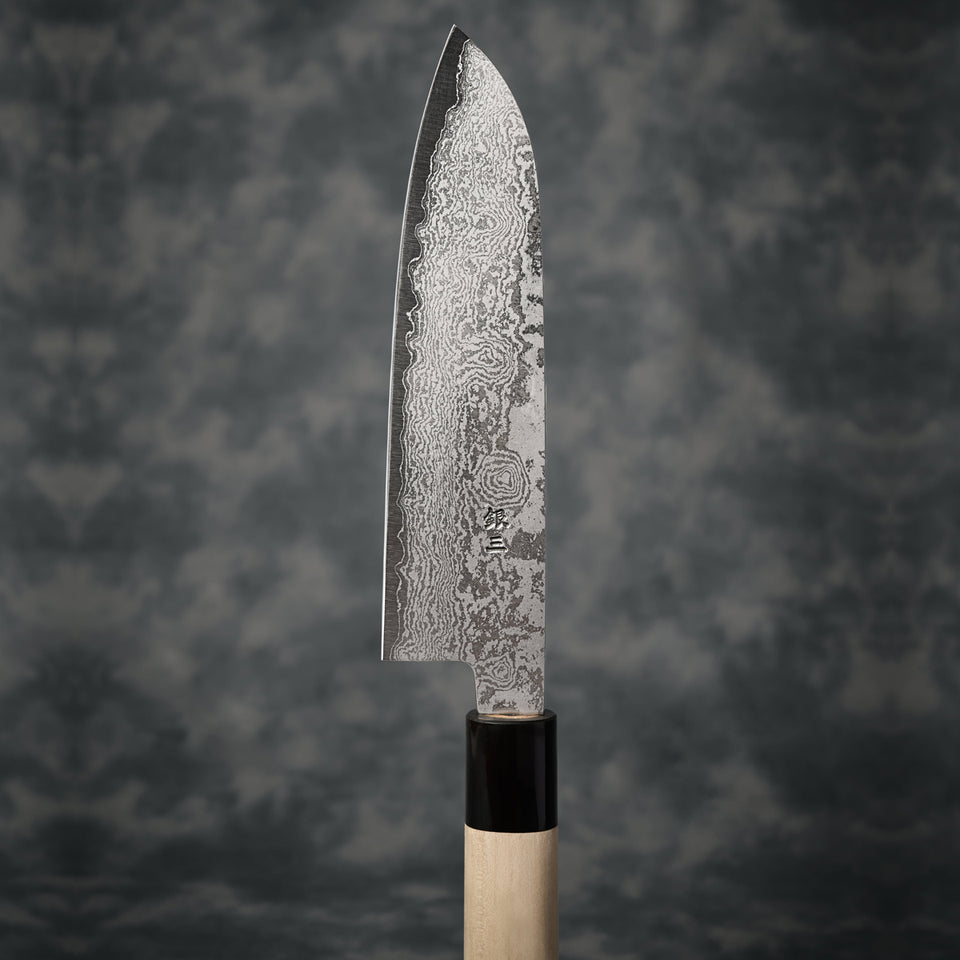
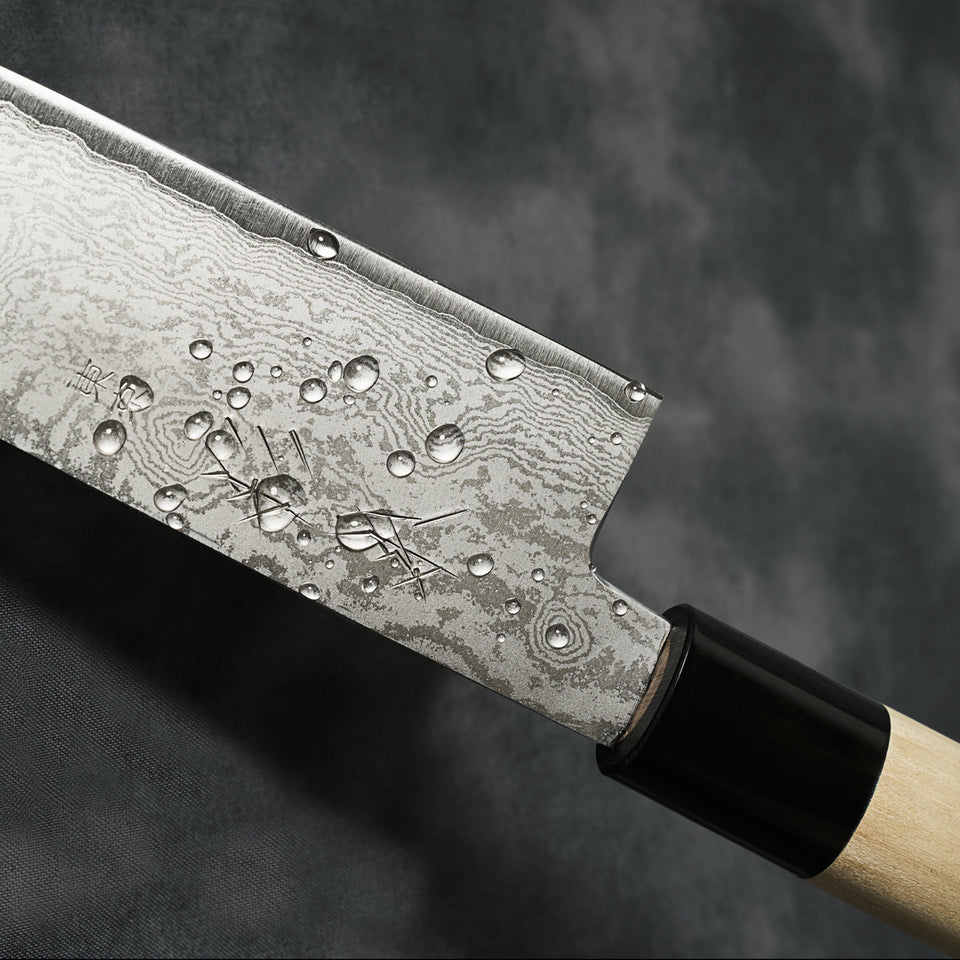
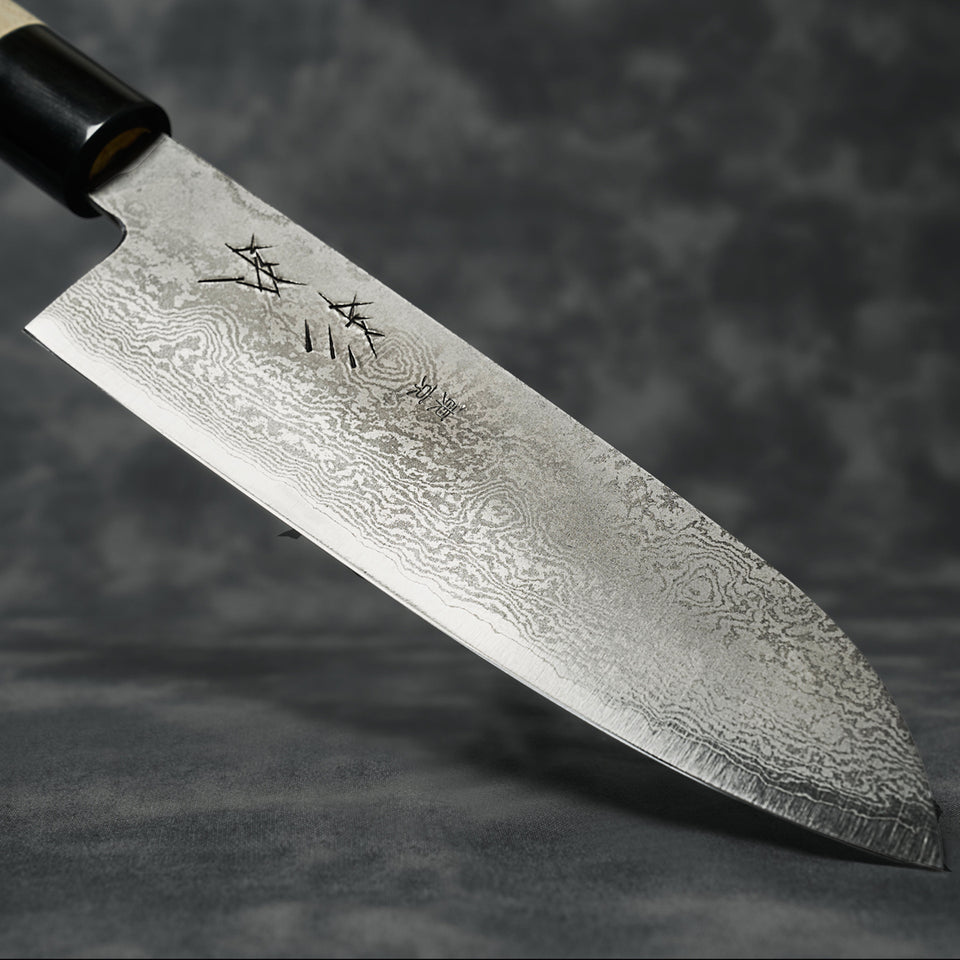
A true masterpiece of craftsmanship, our Japanese Damascus Santoku knife beautifully unites exquisite patterns with exceptional performance. Crafted entirely in Japan by skilled artisan bladesmiths, each blade showcases the iconic wave-like Damascus patterns, symbolizing timeless Japanese aesthetics and superior quality. Unlike mass-produced imitations with printed patterns, our genuine Damascus blade is meticulously forged through the traditional layering and folding process, requiring over 200 hours of expert dedication to create a knife of remarkable strength, flexibility, and beauty.

This premium Santoku, embodying the revered "three virtues," excels at slicing vegetables, meat, and fish with precision and ease, making it the perfect daily companion for both home cooks and professional chefs. Made from CM stainless steel for rust resistance and low maintenance, the knife features a high-quality magnolia wood handle, available with either a plastic or buffalo horn collar. With a blade length of 180mm (7.1 inches) and a double bevel edge, this limited-production Santoku offers unmatched versatility, durability, and artistry—bringing both function and tradition to your kitchen.


Related Articles You May Be Interested

Is Single Bevel Only Japanese?
Anatomy of
Japanese Knife
The Anatomy of a Knife – Everything You Need to Know about Parts of a Japanese Knife
Japanese Knives vs. German Knives
Japanese Knives vs French Thiers Knives
Japanese Single Bevel Knife vs Thai Cleaver

Get Free Bonus Books

Join Japanese Knife Club

Sign up for free to the Japanese Knife Club to get advice and exclusive articles about how to choose Japanese Knives, and tips and tricks for using Japanese knives.

Unsubscribe anytime. It’s free!

About the author

Kei Nishida

Kei Nishida

Author, CEO Dream of Japan

info@japanesegreenteain.com

Certifications: PMP, BS in Computer Science

Education: Western Washington University

Kei Nishida is a passionate Japanese green tea connoisseur, writer, and the founder and CEO of Japanese Green Tea Co., a Dream of Japan Company.

Driven by a deep desire to share the rich flavors of his homeland, he established the only company that sources premium tea grown in nutrient-rich sugarcane soil—earning multiple Global Tea Champion awards.

Expanding his mission of introducing Japan’s finest to the world, Kei pioneered the launch of the first-ever Sumiyaki charcoal-roasted coffee through Japanese Coffee Co. He also brought the artistry of traditional Japanese craftsmanship to the global market by making katana-style handmade knives—crafted by a renowned katana maker—available outside Japan for the first time through Japanese Knife Co.

Kei’s journey continues as he uncovers and shares Japan’s hidden treasures with the world.

Learn more about Kei

Related Posts

OC Japan Fair Fall 2025 Recap (October 17 - 19 2025)

We were thrilled to return to OC Japan Fair 2025—the biggest Japan-themed event in SoCal! Here is a recap video from the

Read More
Japanese Single Bevel Knife vs Thai Cleaver

Uncover the legacy behind Japan and Thai`s finest blades—crafted with centuries‑old secrets and passion. Discover each u

Read More
Japanese Single Bevel Knife vs. Chinese Cleaver (Cai Dao) – 5 Battles You Don’t Want to Miss

Japanese Single Bevel vs. Chinese Cai Dao: Which blade reigns supreme? We compare sharpness, strength, and style to help

Read More
Leave a comment

Your email address will not be published..

Your cart is currently empty.

Start Shopping

Select options