Skip to content

10 Things You-Might-Not-Know Facts about Japanese Kitchen Knives

Learning some trivia about Japanese knives and becoming familiar with their existence will be fun.

Here are some facts about Japanese knives:

1. Sword Hunt

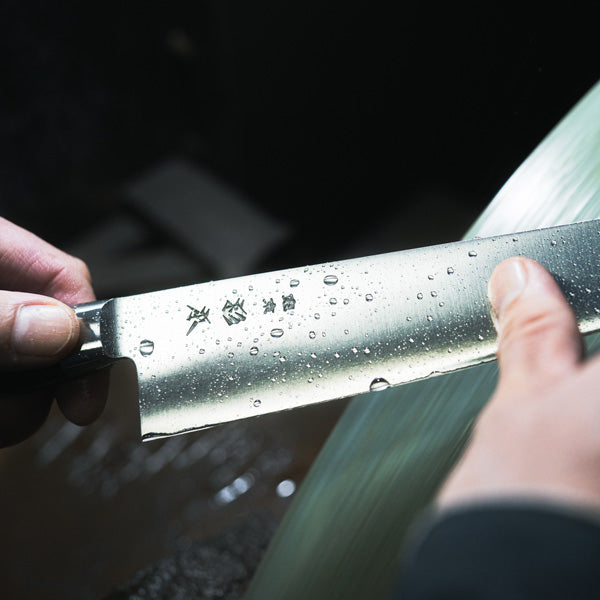
During Japan's feudal era, strict laws governed the ownership and carrying of swords. As a result, many swordsmiths transitioned their skills to make knives for everyday use, contributing to the development of Japanese culinary knives. Traditional Japanese knives are crafted using time-honored techniques passed down through generations. While Japanese knives have a rich traditional heritage, modern knife-makers also push boundaries and incorporate innovative techniques. For example, some artisans experiment with new materials, blade coatings, and ergonomic handle designs while maintaining Japanese knife-making's essence.

2. Regional Varieties

Different regions of Japan have their own knife-making traditions and specialties. For example, Sakai in Osaka is known for producing high-quality kitchen knives. At the same time, Seki City in Gifu Prefecture is renowned for its traditional sword-making techniques applied to knife production.

3. Ancient Symbolism

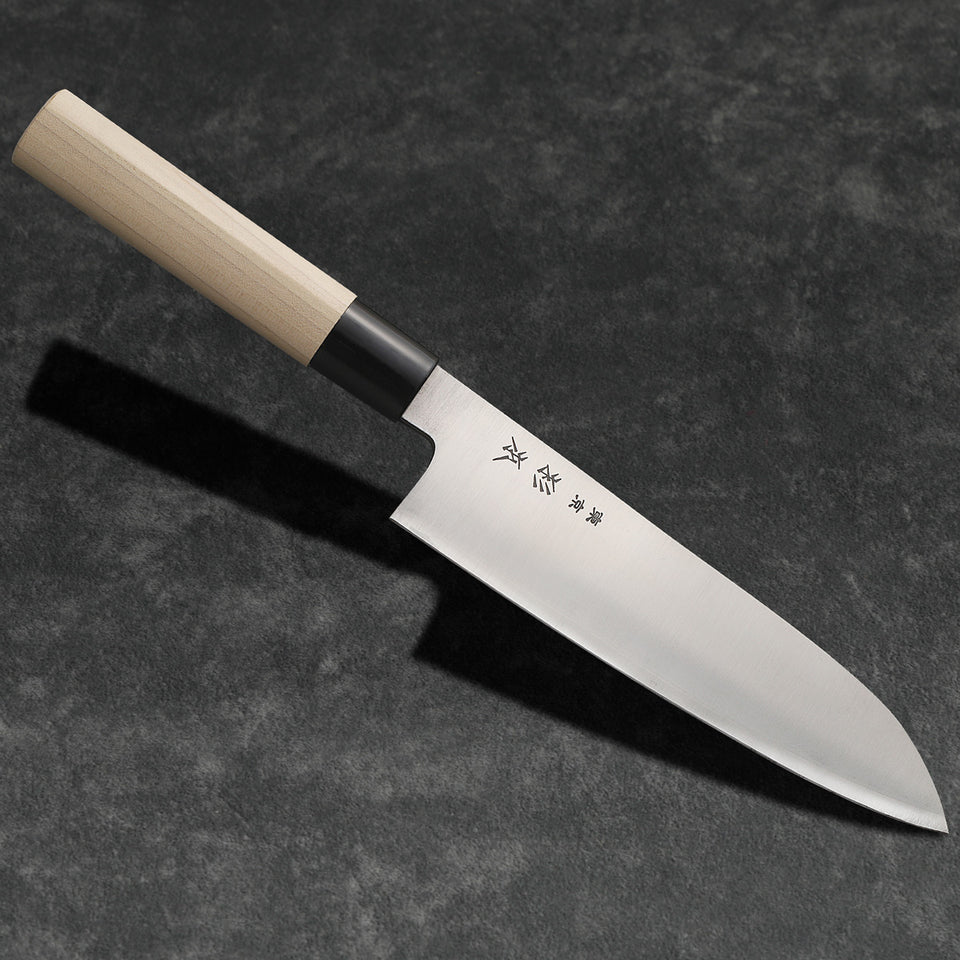
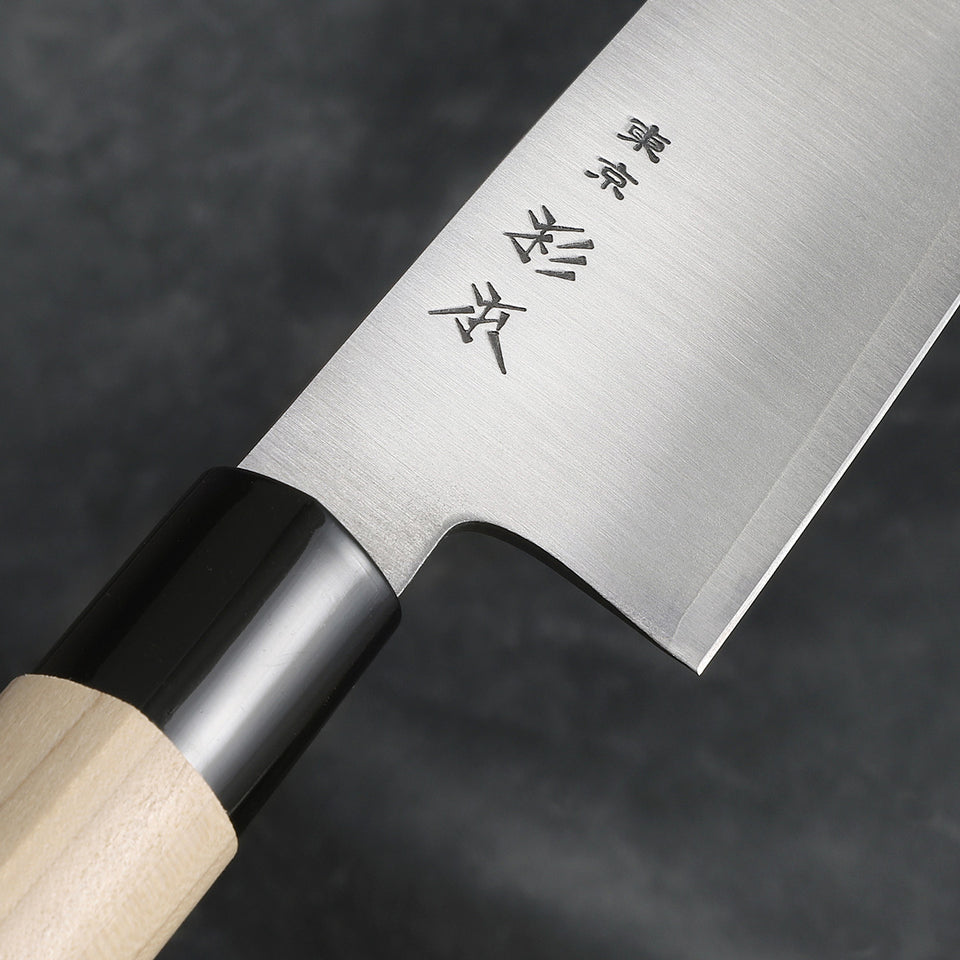
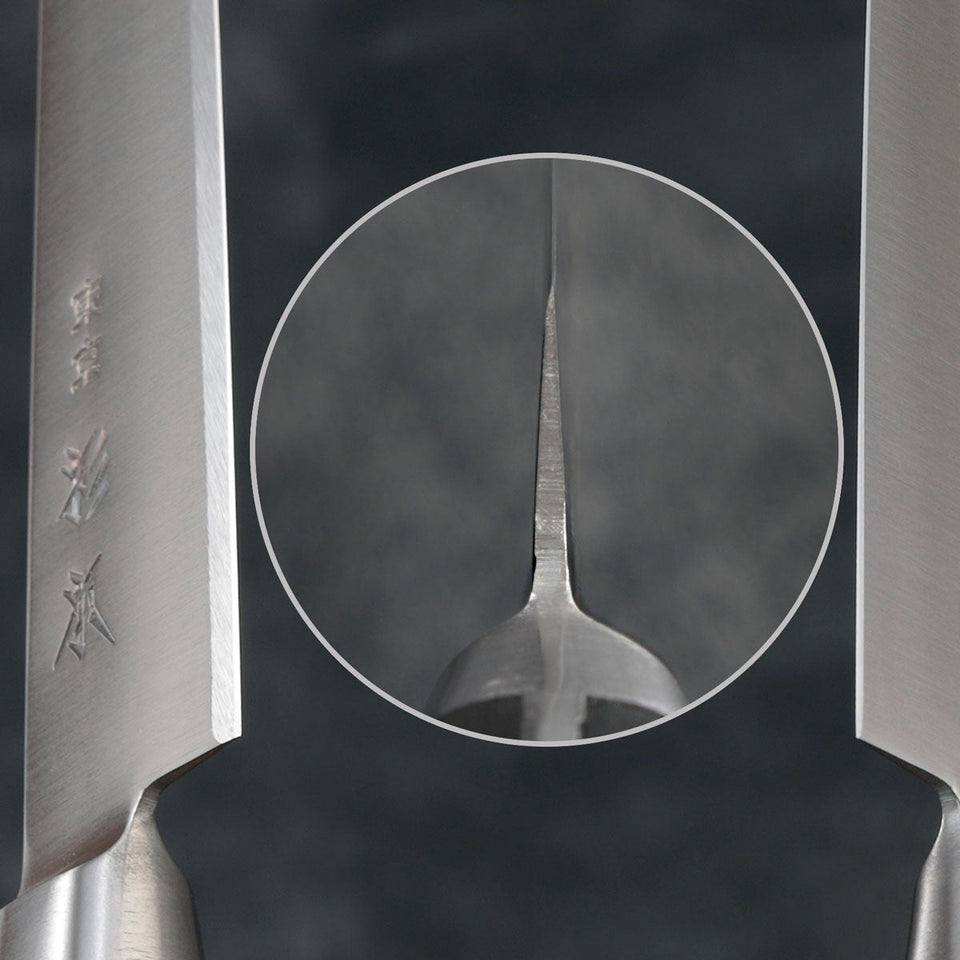
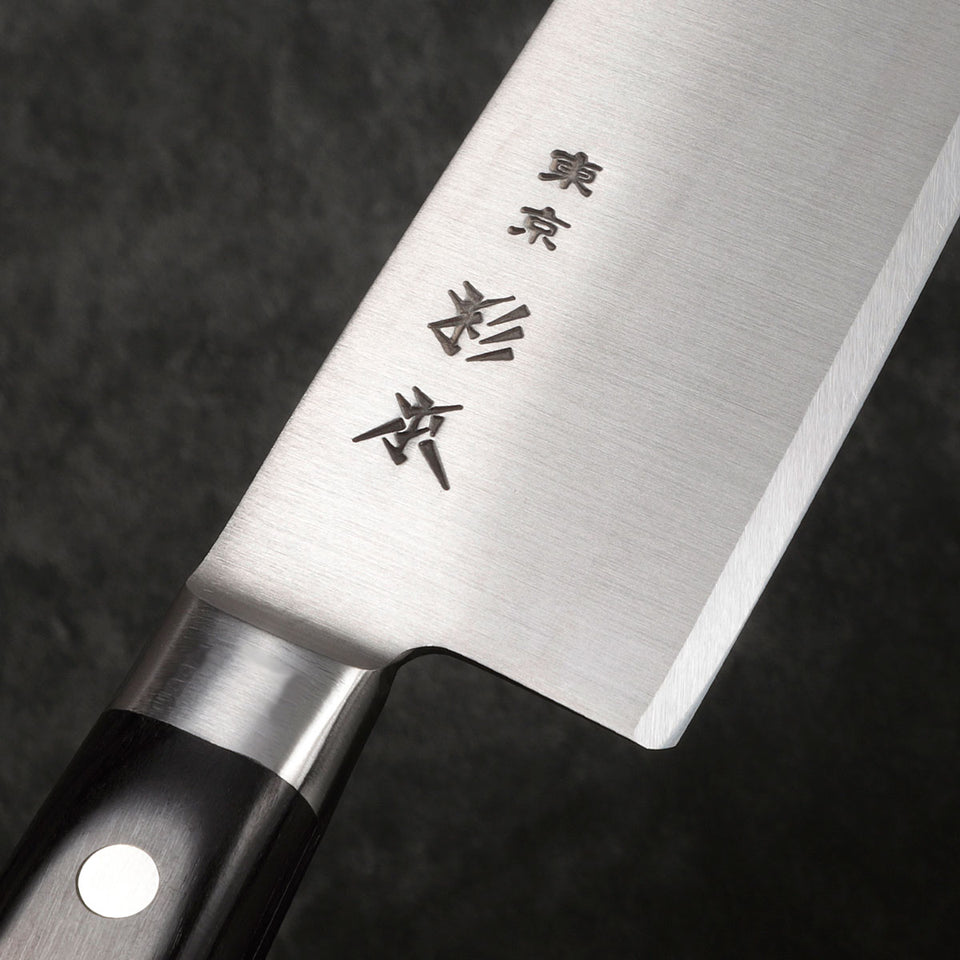
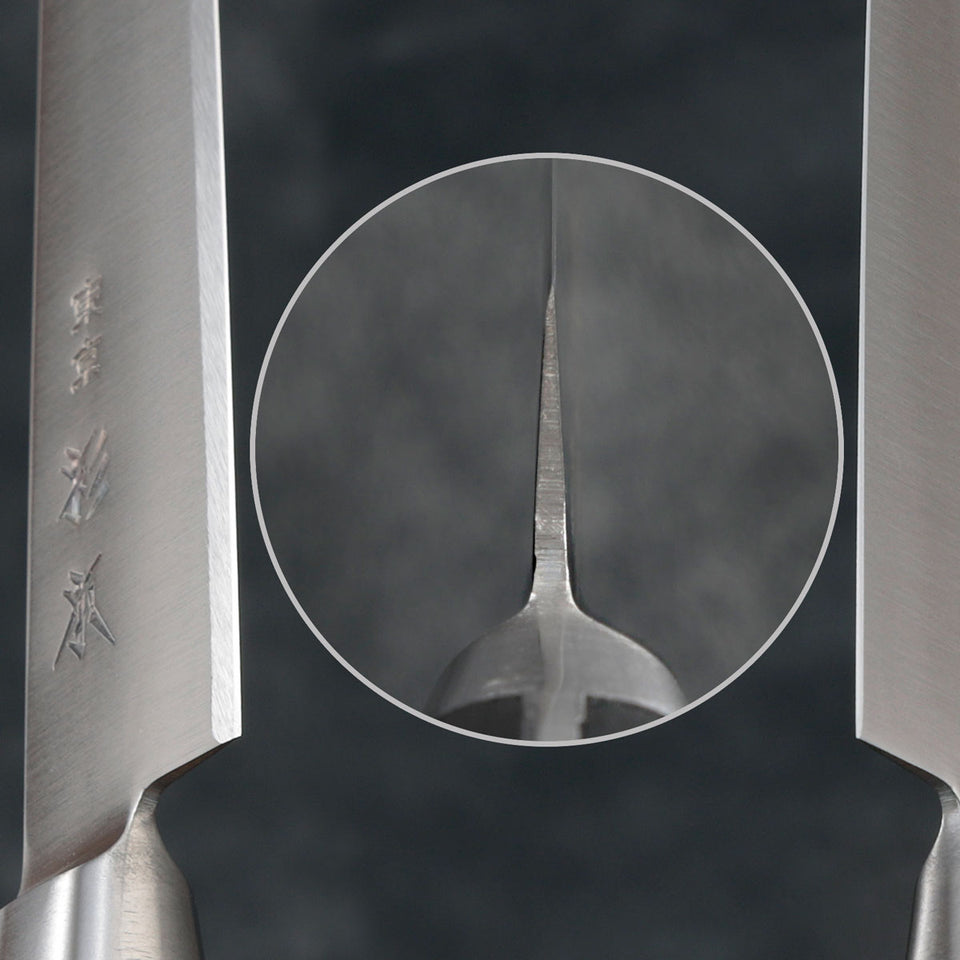
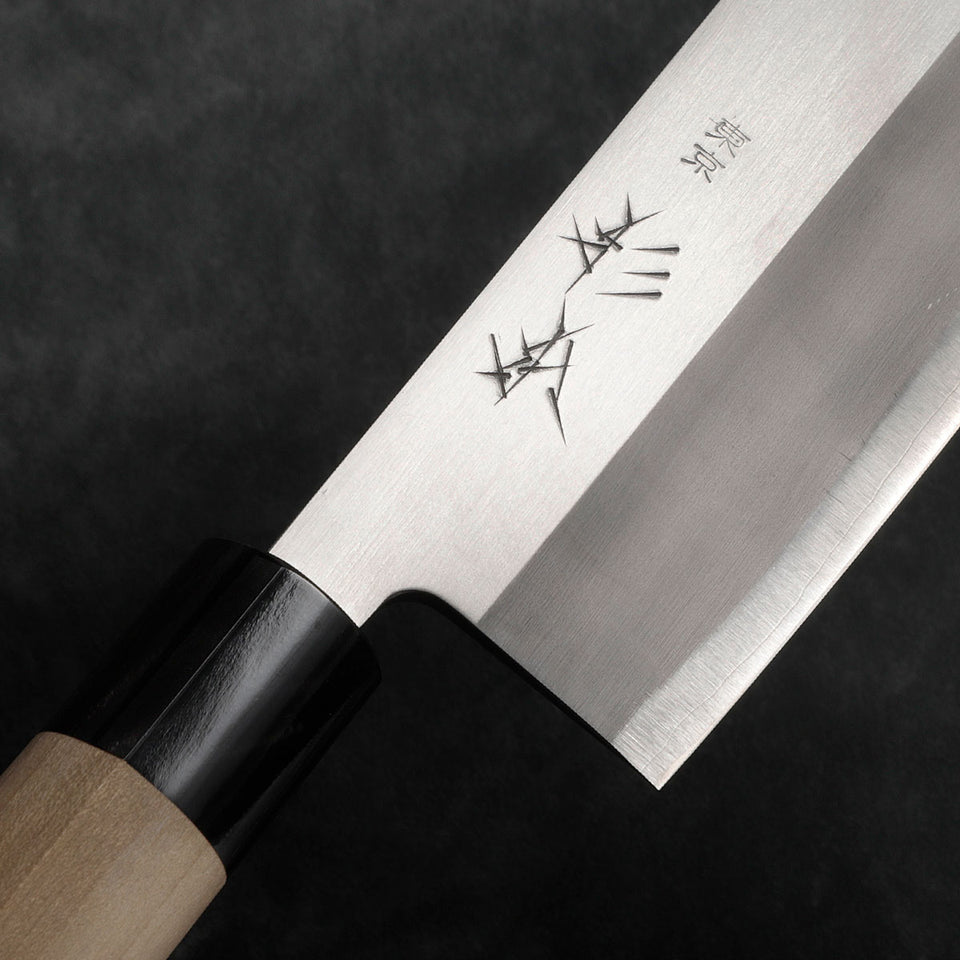
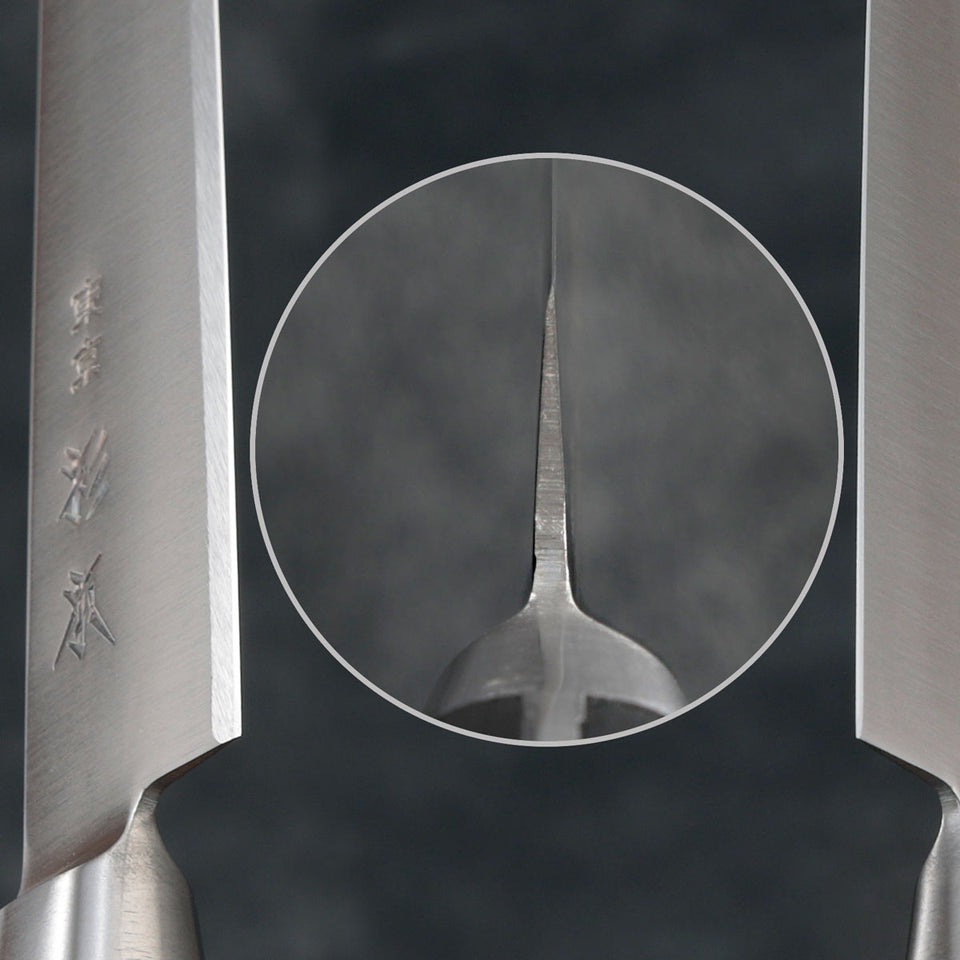
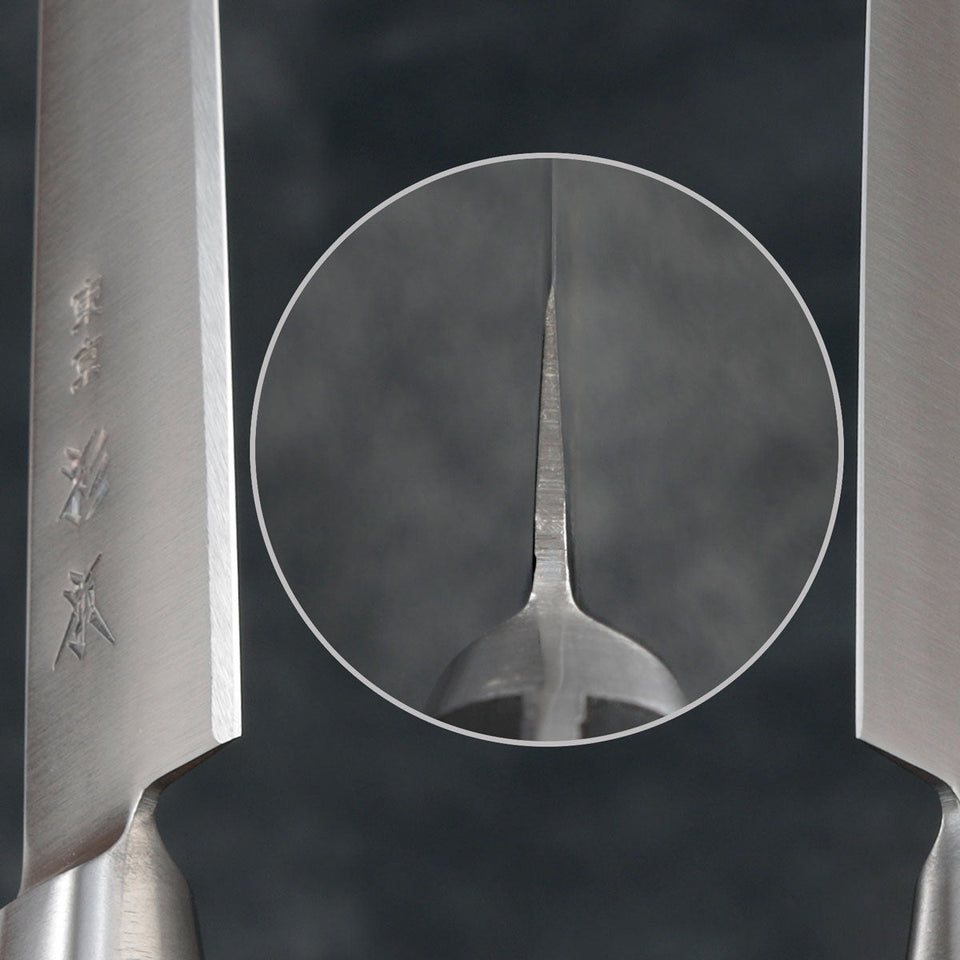
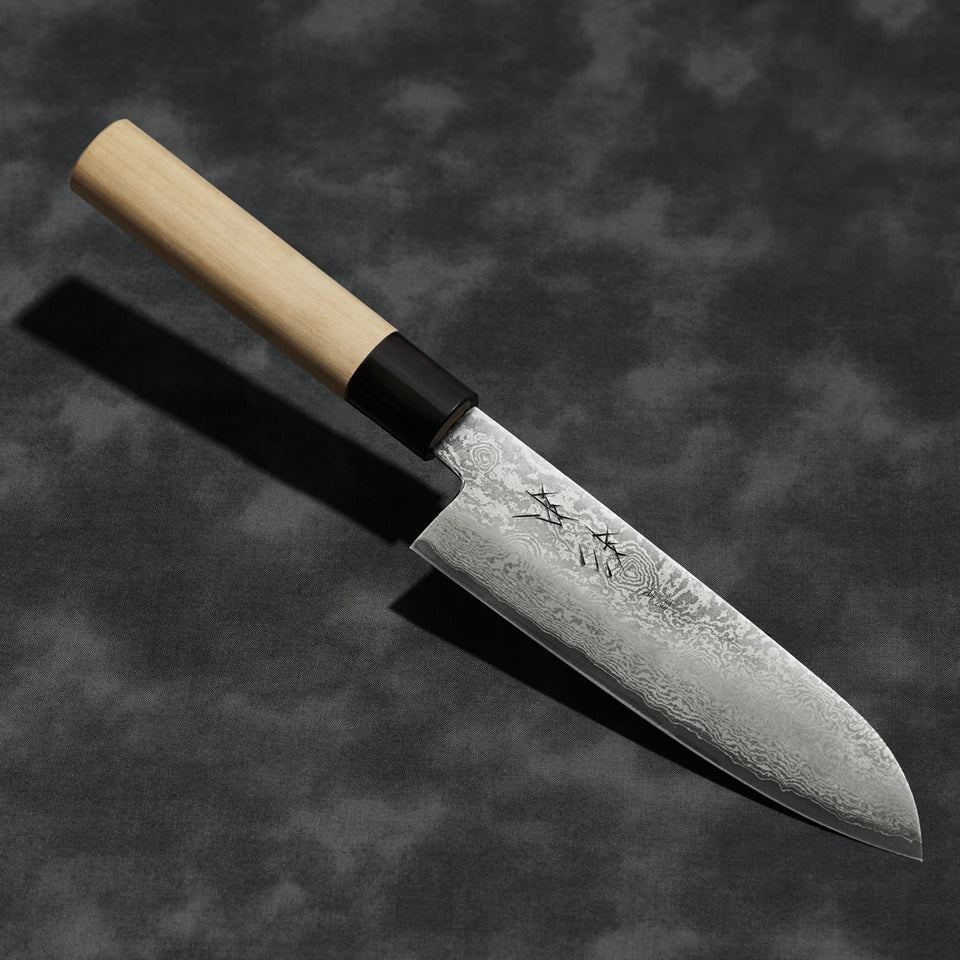
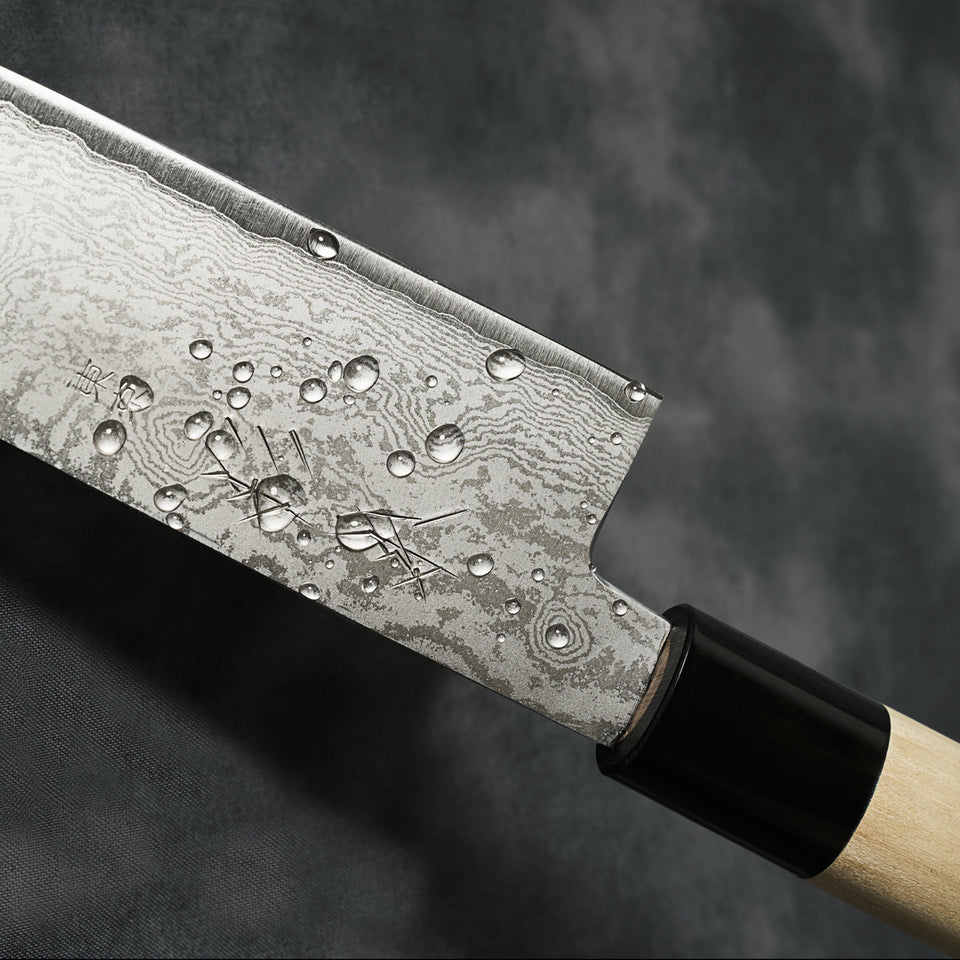
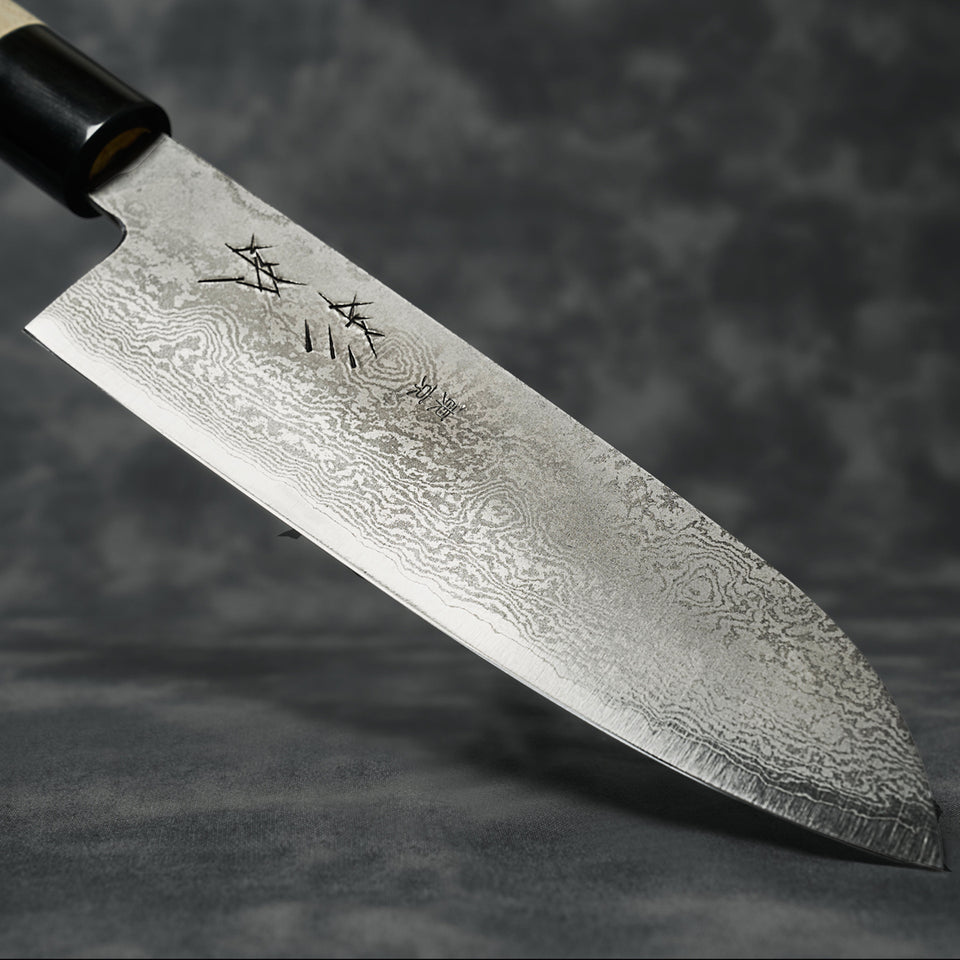
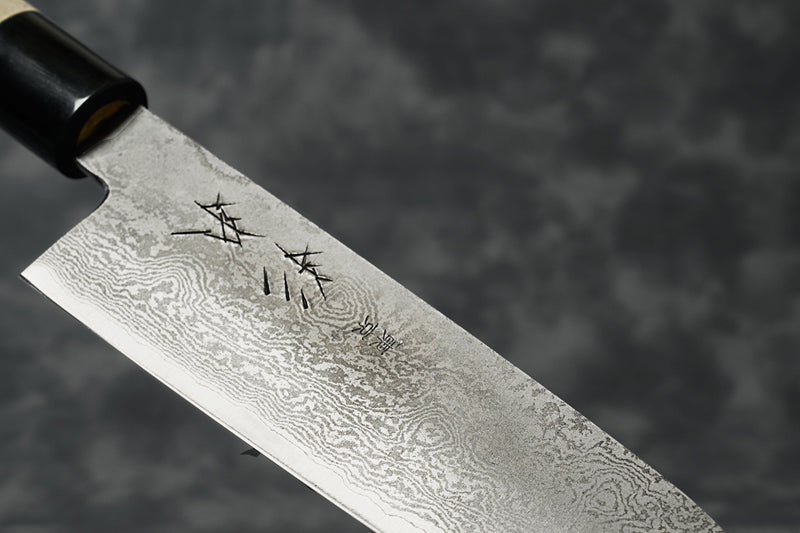
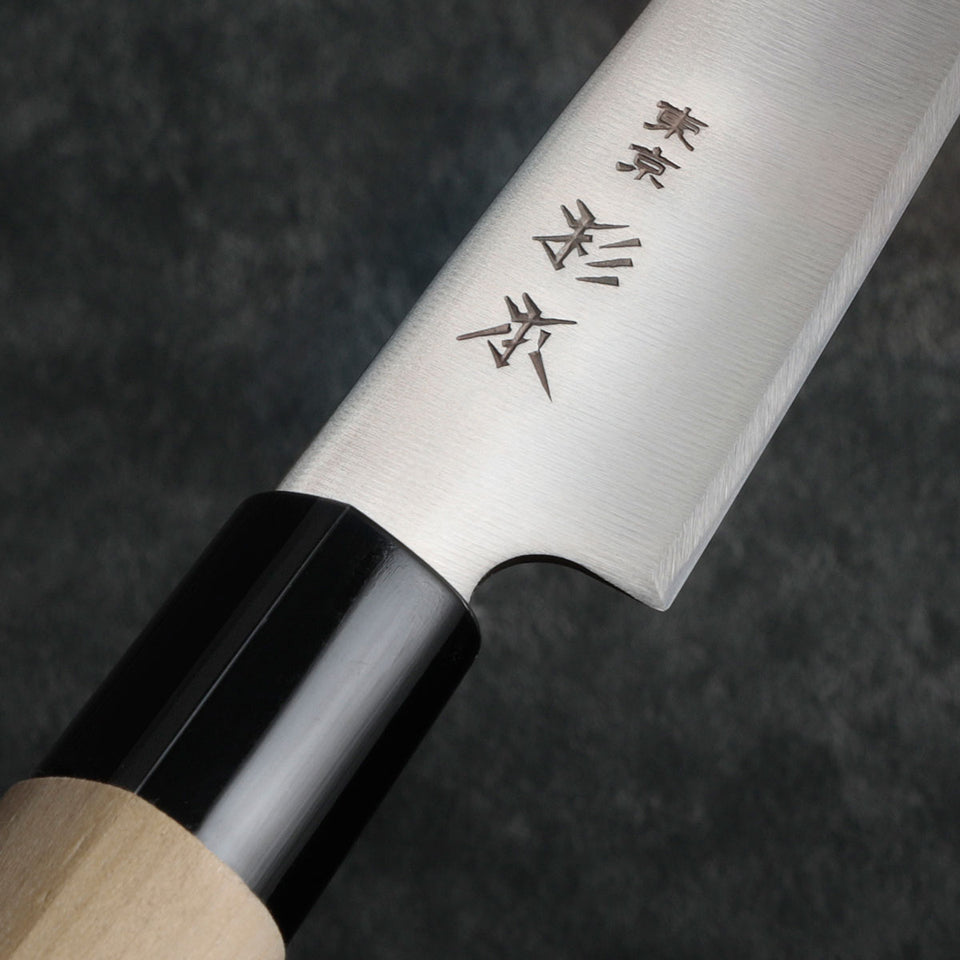
Some traditional Japanese knives bear symbols, characters, or kanji on the blade, often representing historical figures, philosophical concepts, or the name of the maker. These symbols can add a sense of mystique and personalization to the knife.

4. Target Test Cutting

In Japan, there are blade-forging competitions called "Tameshigiri" where skilled craftsmen showcase their abilities by slicing through various materials, such as bamboo or tatami mats, to test the sharpness and durability of their blades.

5. Layers of Steel

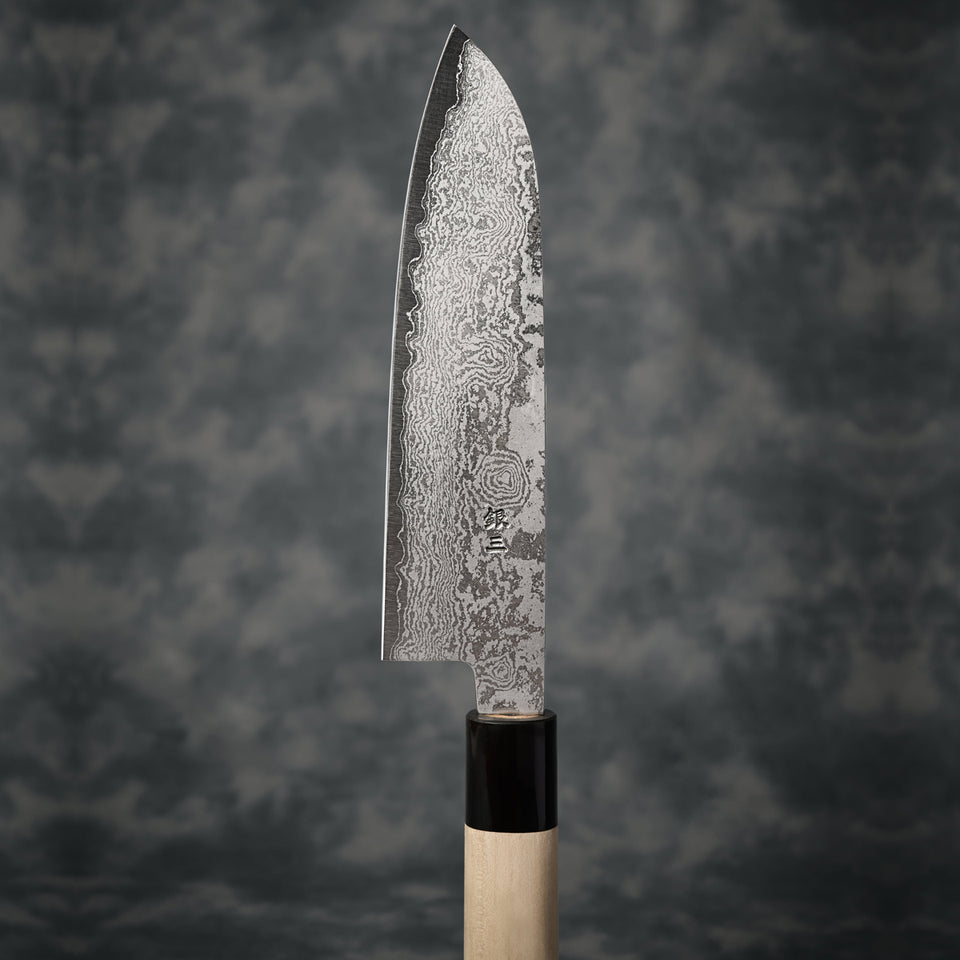
Japanese knives often feature a layered construction called "Damascus" or "Suminagashi." This technique involves layering different types of steel together, creating a beautiful and distinctive pattern on the blade.

6. Steel Characteristics

Japanese knives are crafted from various types of steel, each with its own characteristics. For example, "Shirogami" or "White Steel" is known for its exceptional sharpness, while "Aogami" or "Blue Steel" offers a good balance of sharpness and durability.

7. Specialized Knife Shapes

Japanese knives encompass a wide range of specialized shapes for specific purposes. For example, the Kamagata Usuba has a unique, crescent-shaped blade, specifically designed for cutting vegetables in a particular way.

8. Carbon Steel Patina

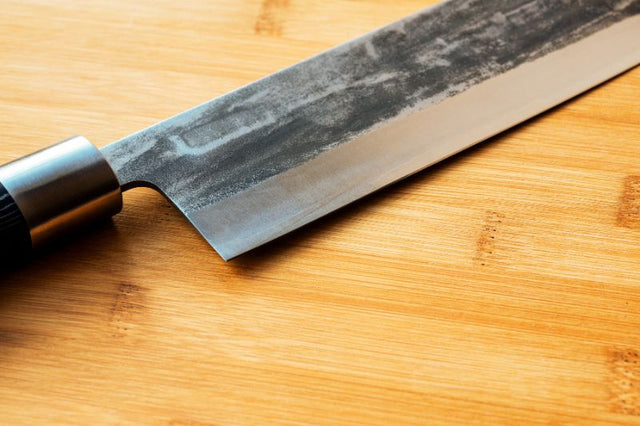
Carbon steel blades used in Japanese knives develop a unique patina over time with use. This patina not only adds character to the knife, but also enhances its corrosion resistance.

9. Knife Rituals

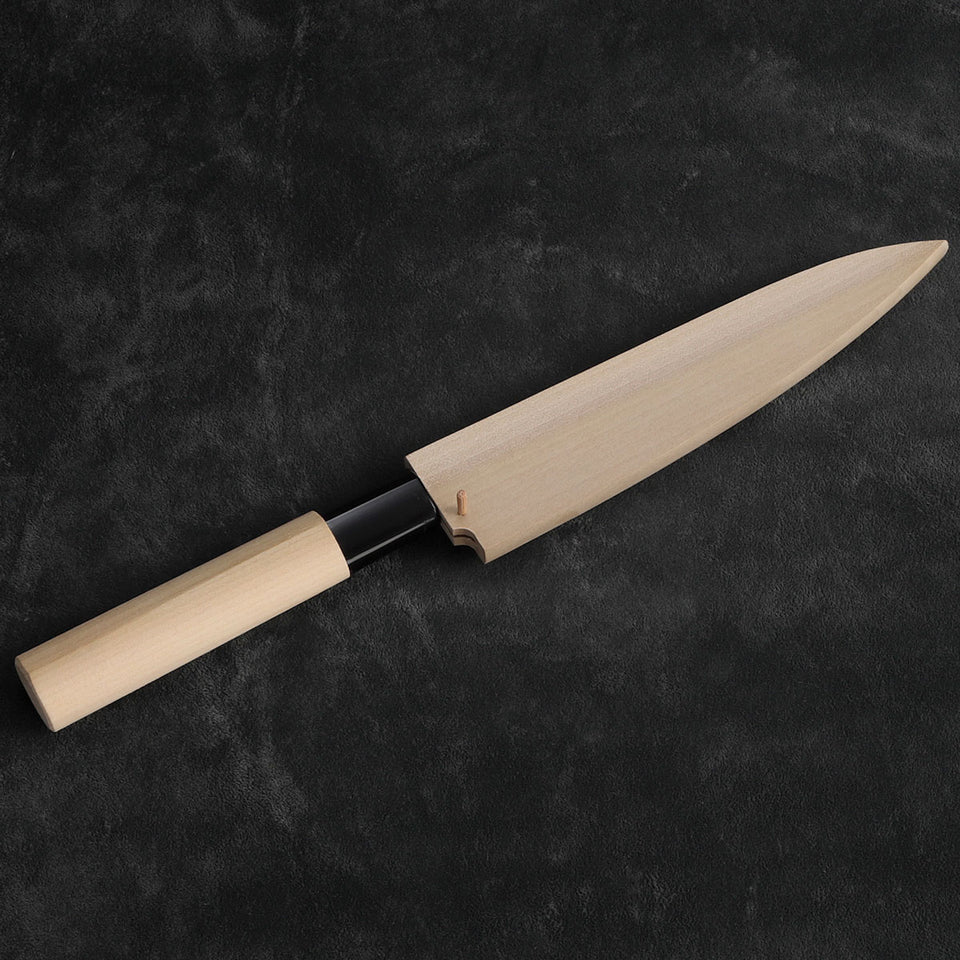
In Japanese culinary culture, specific rituals and etiquettes are associated with using knives. For example, it is considered respectful to bow when presenting or receiving a knife, and knives are typically stored in special protective sheaths or wooden boxes.

10. Collectible Art Pieces

Japanese knives are often considered collectible works of art. Some renowned knife-makers create limited-edition knives that enthusiasts and collectors around the world highly seek after.

Any Japanese knife gives both aesthetic and functional use. Crafting a high-quality Japanese knife is a labor-intensive process. Skilled artisans spend significant time and effort on each knife, from shaping the blade to perfecting the edge geometry, resulting in true works of art.

10 Things You-Might-Not-Know Facts about Japanese Kitchen Knives — Frequently Asked Questions

Is it true Japanese knife-making started from sword-making?

Yes — and the lineage is direct. After the Meiji-era sword ban (1876, the Haitōrei edict), thousands of Japanese swordsmiths lost their primary work overnight. Many of them pivoted to kitchen knives using essentially the same techniques: forging, lamination of hard and soft steels, water-quench hardening, and hand-finishing on water stones. The major Japanese knife regions — Sakai, Seki, Echizen, Tosa — were all sword-making centers first. Watch our History of Katana channel for the deeper backstory.

Exciting News: We Acquired the History of Katana YouTube Channel!

Why do Japanese knives have so many specialized shapes?

Japanese cuisine traditionally separated tasks more strictly than Western cuisine — fish prep, vegetable prep, meat prep, and decorative work each had their own dedicated knife. The deba for fish breakdown, the yanagiba for sashimi slicing, the usuba for decorative vegetable cutting, the takohiki for octopus, the unagisaki for eel, and several others. A traditional sushi chef's kit might include 8–12 different knives, each used for one task. Western cuisine consolidated more — the chef's knife does many jobs adequately rather than one perfectly.

How long has Sakai been making knives?

Over 600 years — Sakai has been a metal-working center since the 14th century, originally producing matchlock guns and later swords during the Sengoku period. The transition to kitchen knives accelerated after the Meiji sword ban, and today Sakai produces about 90% of all professional-grade Japanese kitchen knives sold in Japan. The city's knife-making is recognized as a Traditional Craft of Japan, with strict standards about which workshops can use the "Sakai" mark. The Japanese knife collection includes Sakai-region pieces.

Why do some Japanese knives have hammered surfaces?

That's called tsuchime (槌目, "hammer marks"), and it serves two purposes. Functionally, the dimples reduce contact area between food and blade, so wet vegetables (potatoes, cucumbers, sweet potatoes) release more cleanly off the blade instead of sticking. Aesthetically, the hammered finish shows the maker's hand-work and is considered a hallmark of artisanal construction. Some tsuchime is purely decorative on machine-stamped knives; on real handmade blades each hammer mark is individually placed.

Are there Japanese knives that left-handed people genuinely cannot use?

Yes — single-bevel knives like the yanagiba, deba, and usuba are sharpened only on one side, and a right-handed version in a left hand drifts wrong on every cut. Most Japanese makers will produce left-handed versions on request, but they cost 30–40% more and have longer wait times because they're custom-ground. Modern double-bevel kitchen knives (gyuto, santoku, nakiri, bunka) work fine in either hand. Read our left-handed knives guide before buying any single-bevel as a lefty.

Everything You Need to Know About Left-Handed Knives

Related products
1 review

Gyuto Knife with Japanese Handle - All-purpose Premium Japanese Artisanal Knife

$360.00
Quick view

The Japanese Gyuto knife is the ultimate multi-purpose blade, perfect for everyone from beginner home cooks to seasoned chefs. As the Japanese counterpart to the Western chef’s knife—only thinner, lighter, and sharper—it excels at chopping, slicing, and dicing almost anything in the kitchen with effortless precision. This variation features a beautiful maple-wood handle that not only adds a natural, elegant aesthetic but also provides a smooth, earthy texture for enhanced control and comfort. Crafted with CM stainless steel, it offers exceptional sharpness, durability, and rust resistance, ensuring years of effortless slicing. With a blade length of 180mm (7.1 inches) and a double bevel edge, this handmade, hand-braided, and hand-sharpened Gyuto is a versatile and essential tool that elevates both the appearance and taste of your culinary creations. This product is available for shipping within the USA only.

Santoku Knife - Premium Japanese Artisanal Knife

$250.00
Quick view

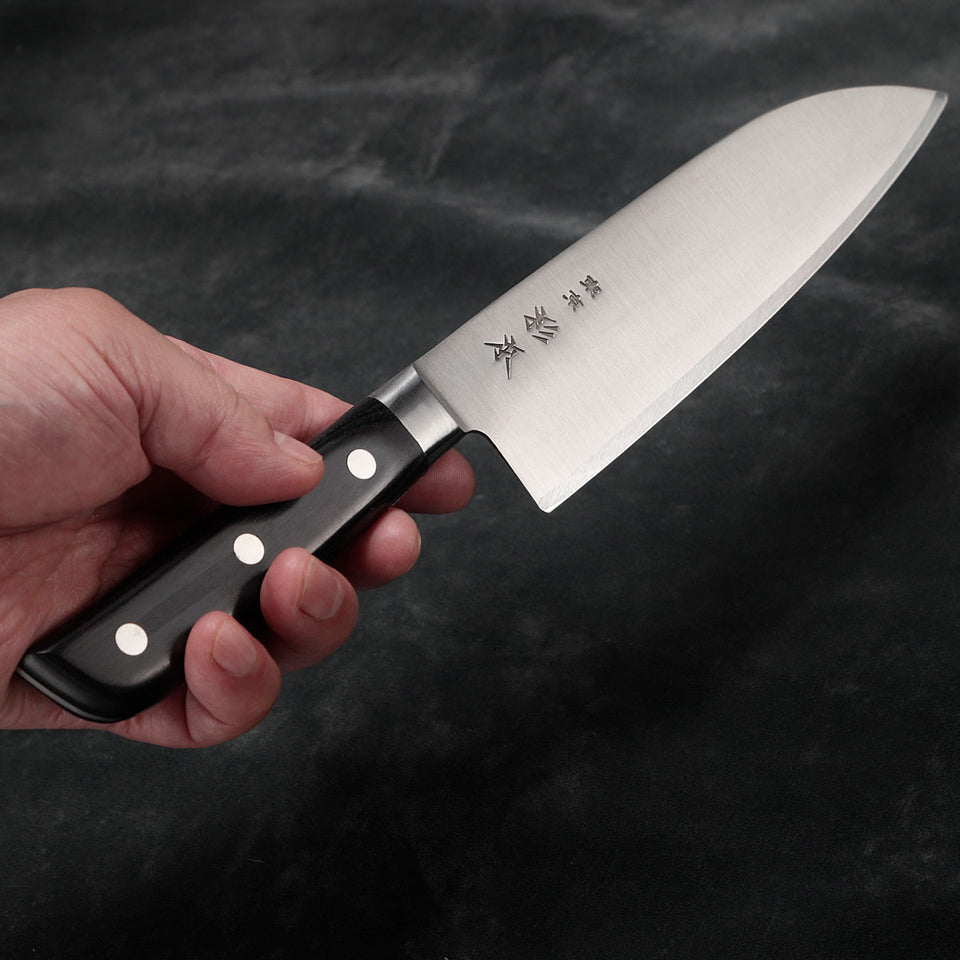
The Santoku knife is revered for its control, precision, and sharpness, making it the master of slicing, mincing, and dicing in both professional and home kitchens. Traditionally favored for high-precision tasks like sushi and sashimi preparation, its versatility extends to cutting meat, fish, and vegetables with ease, supported by a comfortable, easy-to-control handle. Handmade by master bladesmiths using techniques passed down through generations, each Santoku offers extraordinary quality that elevates every slice. Named after the "Three Virtues"—meat, vegetables, and fish—the Santoku’s shorter, thicker, straight-edged blade with a sheep foot-shaped tip enhances the appearance, taste, and texture of your food while delivering exceptional performance with minimal maintenance, thanks to its CM stainless steel and Western-style handle. With a blade length of 170mm (6.7 inches), it is the ultimate daily knife for any cooking enthusiast.

1 review

Nakiri Knife - Vegetable Cutting/Slicing/Mincing Premium Japanese Artisanal Knife

$290.00
Quick view

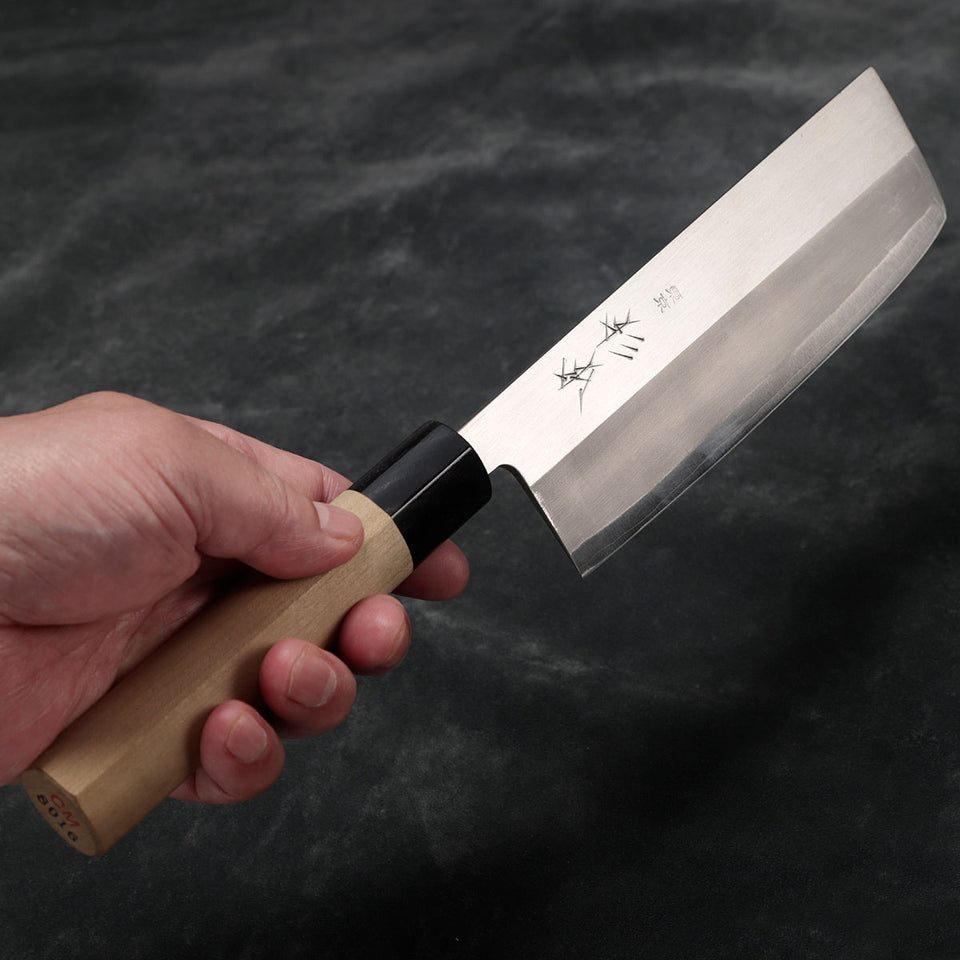
The Nakiri knife (菜切包丁) is a highly versatile and efficient tool, traditionally used in Japan for cutting vegetables with supreme speed and precision. Its thin, lightweight rectangular blade allows for quick, clean, and effortless slicing without the need for a rocking motion, keeping your knuckles safely away from the cutting board while delivering beautifully thin, even slices every time. Perfect for delicate vegetables and even light filleting tasks, the Nakiri offers incredible control and minimizes damage to ingredients, preserving their flavor and texture. Handmade and sharpened by master bladesmiths, this 165mm (6.5 inches) knife features a traditional Japanese magnolia wood handle with a plastic collar and is available with either CM Stainless for easy maintenance or Kasumi Superlative Carbon Steel for a more traditional sharpening experience. With its unparalleled usability from tip to tail, the Nakiri is an invaluable asset for anyone seeking speed, consistency, and elegance in their kitchen work.

1 review

Petty Knife with Japanese Handle - Premium Artisanal Knife

$179.00
Quick view

The Japanese-style Petty Knife is a premium artisanal blade designed for maximum control and precision, perfect for peeling, slicing, shaping, and trimming in tight spaces. Its fine-tipped 150mm (5.9 inches) blade unlocks new levels of creativity in shaping and presentation, helping elevate the beauty of every dish you create. Featuring a traditional maple-wood handle, it offers a smooth, natural texture that feels as good as it looks, making it a joy to use. Handmade and sharpened by master bladesmiths, this knife guarantees prolonged sharpness, durability, and effortless slicing for years, making it an essential tool for passionate home cooks and professional chefs who take pride in every cut. Crafted from CM stainless steel for rust resistance and low maintenance, the Japanese Petty Knife blends beauty, functionality, and lasting performance into one exceptional kitchen companion.

Damascus Santoku Knife with Japanese Handle - All-purpose Premium Japanese Artisanal Knife

$1,199.00
Quick view

A true masterpiece of craftsmanship, our Japanese Damascus Santoku knife beautifully unites exquisite patterns with exceptional performance. Crafted entirely in Japan by skilled artisan bladesmiths, each blade showcases the iconic wave-like Damascus patterns, symbolizing timeless Japanese aesthetics and superior quality. Unlike mass-produced imitations with printed patterns, our genuine Damascus blade is meticulously forged through the traditional layering and folding process, requiring over 200 hours of expert dedication to create a knife of remarkable strength, flexibility, and beauty.

This premium Santoku, embodying the revered "three virtues," excels at slicing vegetables, meat, and fish with precision and ease, making it the perfect daily companion for both home cooks and professional chefs. Made from CM stainless steel for rust resistance and low maintenance, the knife features a high-quality magnolia wood handle, available with either a plastic or buffalo horn collar. With a blade length of 180mm (7.1 inches) and a double bevel edge, this limited-production Santoku offers unmatched versatility, durability, and artistry—bringing both function and tradition to your kitchen.


Related Articles You May Be Interested

Everything You Need to Know about Damascus Japanese Knives
10 Benefits of Buying a Japanese Knife
Differences Between Mass Produce Knives and Handmade Japanese Knives
Everything You Need to Know About the History of Japanese Knives
Eight Types of Japanese Knives and How to Use

Get Free Bonus Books

Join Japanese Knife Club

Sign up for free to the Japanese Knife Club to get advice and exclusive articles about how to choose Japanese Knives, and tips and tricks for using Japanese knives.

Unsubscribe anytime. It’s free!

About the author

Kei Nishida

Kei Nishida

Author, CEO Dream of Japan

info@japanesegreenteain.com

Certifications: PMP, BS in Computer Science

Education: Western Washington University

Kei Nishida is a passionate Japanese green tea connoisseur, writer, and the founder and CEO of Japanese Green Tea Co., a Dream of Japan Company.

Driven by a deep desire to share the rich flavors of his homeland, he established the only company that sources premium tea grown in nutrient-rich sugarcane soil—earning multiple Global Tea Champion awards.

Expanding his mission of introducing Japan’s finest to the world, Kei pioneered the launch of the first-ever Sumiyaki charcoal-roasted coffee through Japanese Coffee Co. He also brought the artistry of traditional Japanese craftsmanship to the global market by making katana-style handmade knives—crafted by a renowned katana maker—available outside Japan for the first time through Japanese Knife Co.

Kei’s journey continues as he uncovers and shares Japan’s hidden treasures with the world.

Learn more about Kei

Related Posts

Is Single Bevel Only Japanese?

Single bevel knives, known for unmatched precision, aren't exclusive to Japanese blades but exemplify their craftsmanshi

Read More
How to Spot a Fake Japanese Knife

With the help of our in-depth tutorial, learn how to identify fake Japanese knives. Make sure you receive the genuine ar

Read More
How to Choose Your First Japanese Knife

Learn about the craft of Japanese knifemaking and find your ideal fit. You can browse the many types and features with t

Read More
Leave a comment

Your email address will not be published..

Your cart is currently empty.

Start Shopping

Select options