Skip to content

Do I need a sashimi or yanagiba knife for sushi?

A chef's knife, for example, can also be used to slice fish for sushi. However, if you are a serious sushi enthusiast or professional chef and want to ensure the best possible results, investing in a high-quality sashimi or yanagiba knife can be worthwhile.

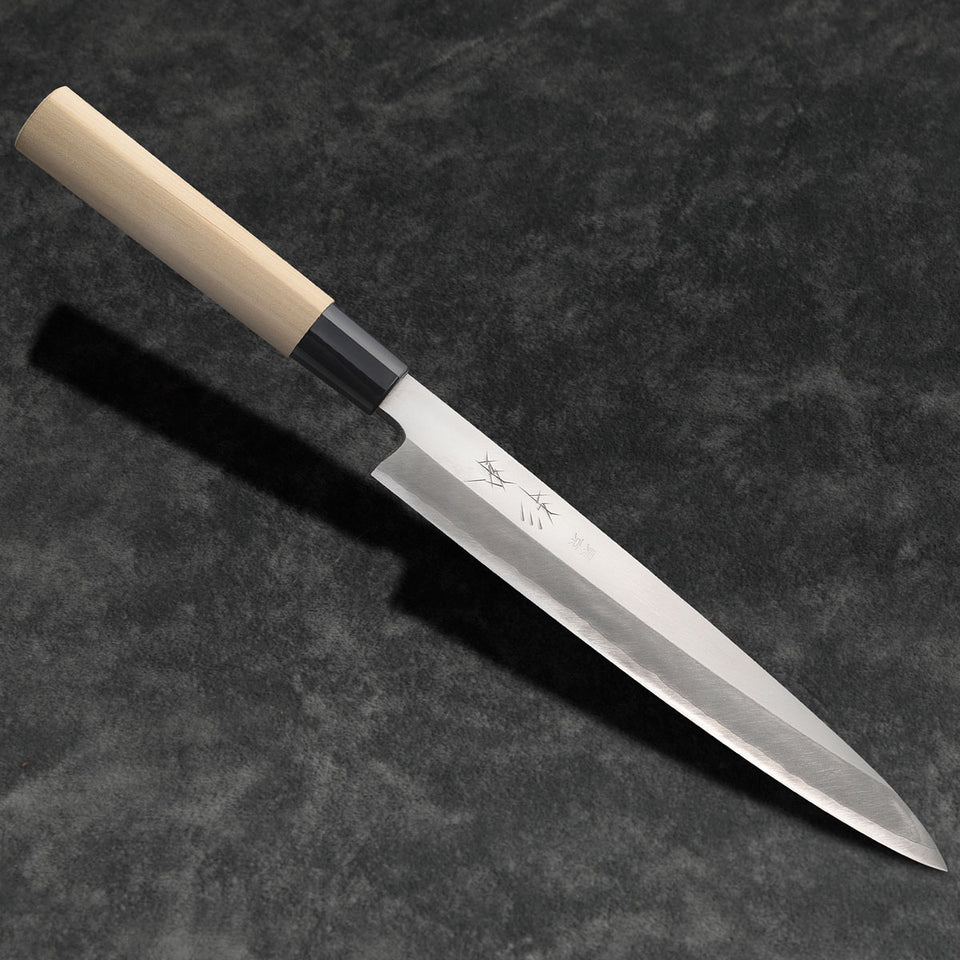
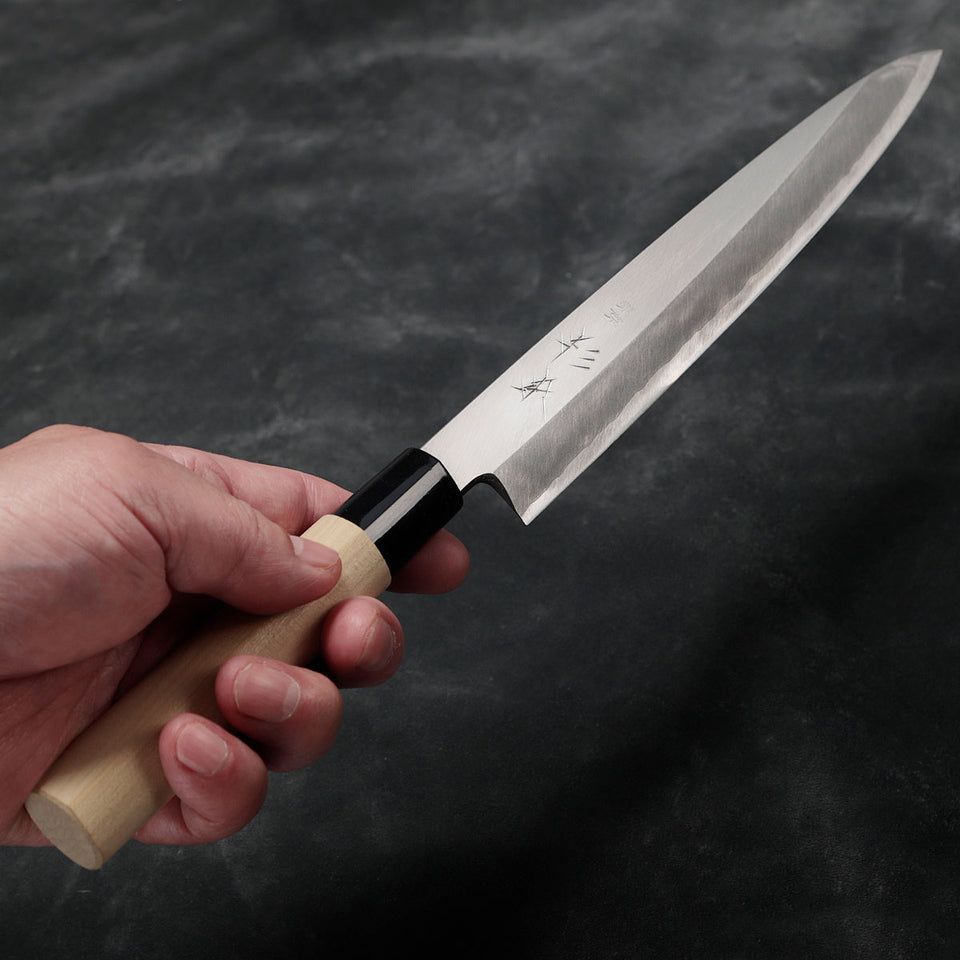
Sashimi knives are long, thin, and single-edged, explicitly designed for slicing raw fish into thin, even slices. Also known as a "sashimi bocho" or "yanagiba," this knife is typically long and narrow with a single-edged blade sharpened to a fine point.

The blade of a sashimi knife is usually made from high-quality carbon steel or stainless steel, designed to be incredibly sharp and durable. The thin, narrow blade is ideal for making precise, clean cuts through fish without crushing or tearing the delicate flesh.

Sashimi knives are often used in Japanese cuisine, but they have also become increasingly popular in other parts of the world. They are essential for professional chefs and serious home cooks who want to create restaurant-quality sashimi dishes.

sashimi

Yanagiba knives are similar but have slightly curved blades, making them particularly well-suited for slicing sushi-grade fish. The name "yanagiba" literally translates to "willow blade," which refers to the long, slender shape of the blade. It is a type of Japanese knife that is traditionally used for preparing sashimi and sushi.

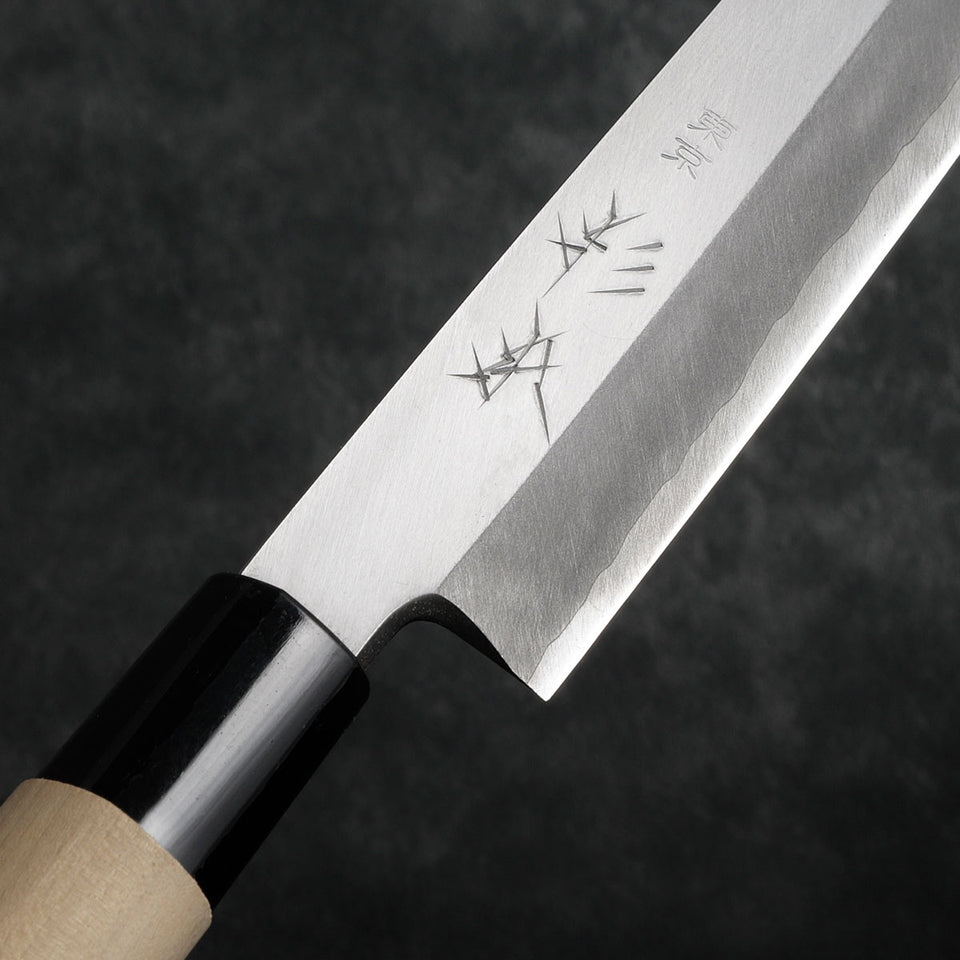
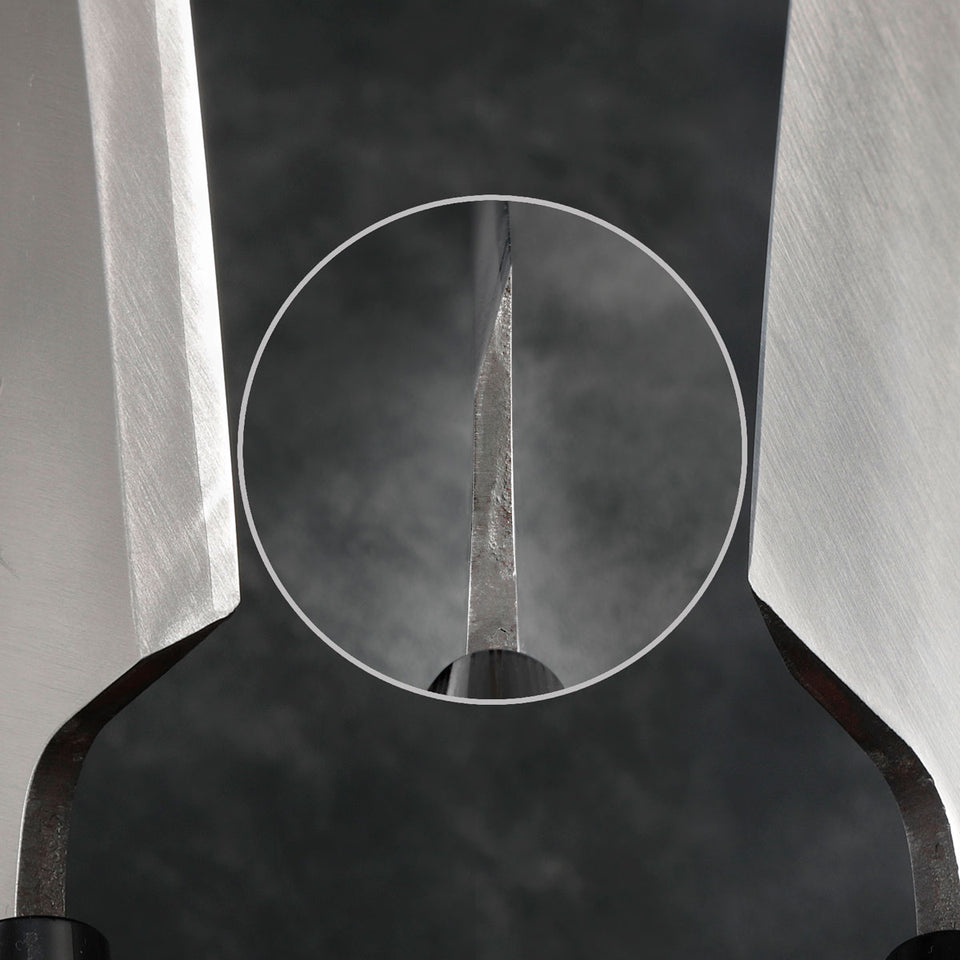
Yanagiba knives have a single bevel edge (Click here to learn more about the differences between single and double bevel), meaning the blade is only sharpened on one side. This design allows for exact and clean cuts through fish, essential for preparing sashimi and sushi.

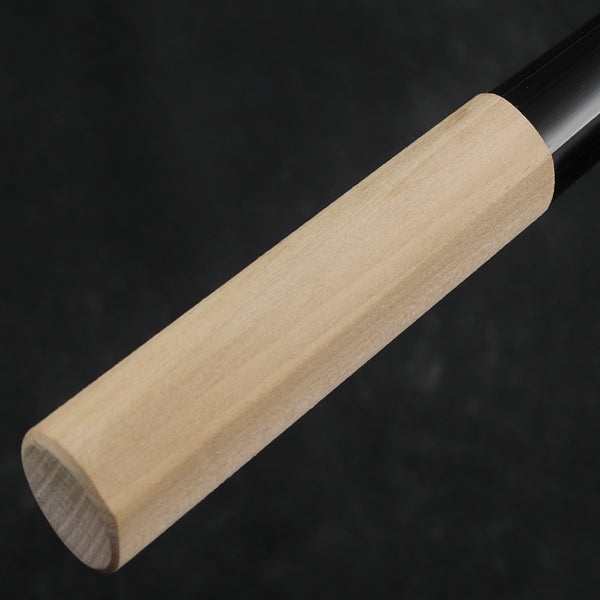
The blade of a yanagiba knife is typically made from high-quality carbon steel or stainless steel and is exceptionally sharp and durable. The handle is often made from wood or natural material, designed to provide a comfortable and secure grip.

Yanagiba knives require a bit of practice to use effectively, but once you master the technique, you can create beautiful, perfectly sliced sashimi and sushi.

If you are making sushi at home, you can prepare your fish without a specific sashimi or yanagiba knife. Ultimately, your knife choice will depend on your preference and skill level. If you are starting and want to learn about sushi making, either knife will likely work just fine.

When making sushi, you can use either a sashimi knife or a yanagiba knife to slice the fish. Both knives are designed to make precise cuts through raw fish and can create thin, even slices for sushi.

However, some differences between the knives might make one a better choice for specific tasks. For example, Sashimi knives are typically thinner and lighter than yanagiba knives, making them easier for some people to handle. They are also more versatile than yanagiba knives and can be used for other tasks besides slicing fish.

Yanagiba knives, on the other hand, are specifically designed for slicing fish, and professional sushi chefs often favor them. The long, narrow blade allows precise cuts that create beautiful, uniform fish slices.

If you are a serious home cook or professional chef, investing in a high-quality sashimi or yanagiba knife can help you achieve the best possible results.

Do I need a sashimi or yanagiba knife for sushi? — Frequently Asked Questions

Can I make sushi at home without a yanagiba?

Yes, with the caveat that the slices won't be as clean. A sharp double-bevel gyuto or a long santoku will cut sashimi for home use — the fish tastes the same, and most dinner guests won't notice the difference. What you lose without a yanagiba is the perfectly glossy cut surface on each slice (the single-bevel doesn't crush the fish cells) and the ability to slice in one long single stroke without sawing. For weekly home sushi, a sharp gyuto is fine; for serving guests, the yanagiba upgrade is felt. See our yanagiba.

What size yanagiba should I buy for home use?

A 240 mm (9.4 inch) yanagiba is the standard home and small-restaurant size — long enough to slice a fillet of salmon or tuna in one motion, short enough to be controllable in a normal kitchen. Professional sushi chefs at high-end shops use 270–300 mm, but those are unwieldy at home and overkill for the fish you'll work with. Below 240 mm and you're sawing back and forth, which crushes the fish. If you're left-handed, order a left-handed version (about 30–40% more expensive and longer lead time) — a right-handed yanagiba in a left hand is genuinely hard to use.

Everything You need to know about Yanagiba Knife

How much should I spend on my first yanagiba?

$180–280 for a properly forged single-bevel in white #2 or blue #2 steel. Below $120, you're mostly looking at machine-stamped yanagibas with cheaper stainless steel — they'll cut, but they don't deliver the cell-clean slice that's the whole point of a single-bevel. Above $400, you're paying for premium steels and named makers that you won't fully appreciate until you've sharpened single-bevels for years. A first yanagiba in the $180–280 range will last decades with proper care.

How to Choose Your First Japanese Knife

Is a yanagiba hard to maintain compared to a regular kitchen knife?

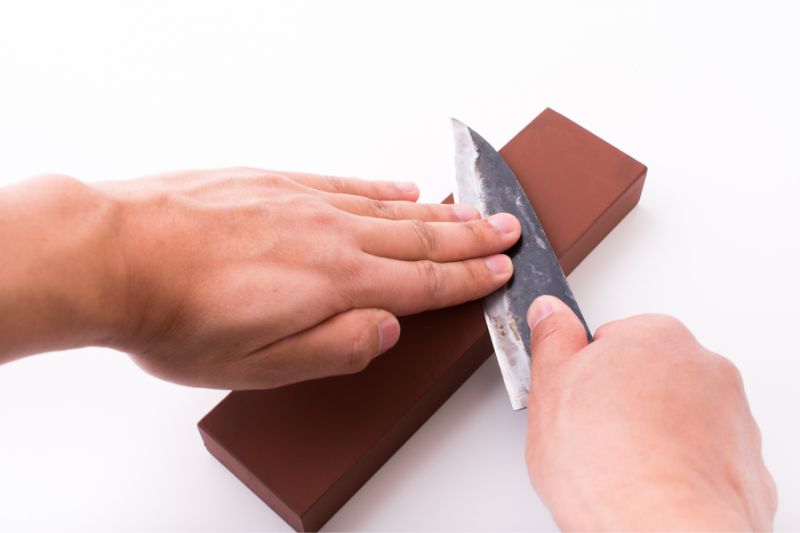
Slightly harder, yes. The single-bevel geometry means sharpening requires the bevel side at the maker's specific angle (often 10–12 degrees) and the back (ura) kept nearly flat with only a finishing pass — get either wrong and you destroy the blade's release properties. Carbon-steel yanagibas also need same-day washing and drying because they rust quickly when wet. Most home cooks send the first sharpening to a professional and learn the technique gradually. Day-to-day care is easy; the periodic sharpening is the real commitment. Read our whetstone tutorial for the basics.

How to Sharpen a Knife Using a Whetstone

Yanagiba or sashimi knife — are they the same thing?

Same knife, different name. "Yanagiba" (柳刃, literally "willow blade") is the regional name from the Kansai region around Osaka and Kyoto; "sashimi bocho" is the more general term used elsewhere in Japan and internationally. There's also a related shape called the "takohiki" (蛸引き, "octopus puller") used in Tokyo, which has a square tip instead of the willow-leaf point, but most modern usage treats "yanagiba" and "sashimi knife" as synonyms.

Buy Yanagiba Knife

Yanagiba Sashimi Knife - Premium Japanese Artisanal Knife

$280.00
Quick view

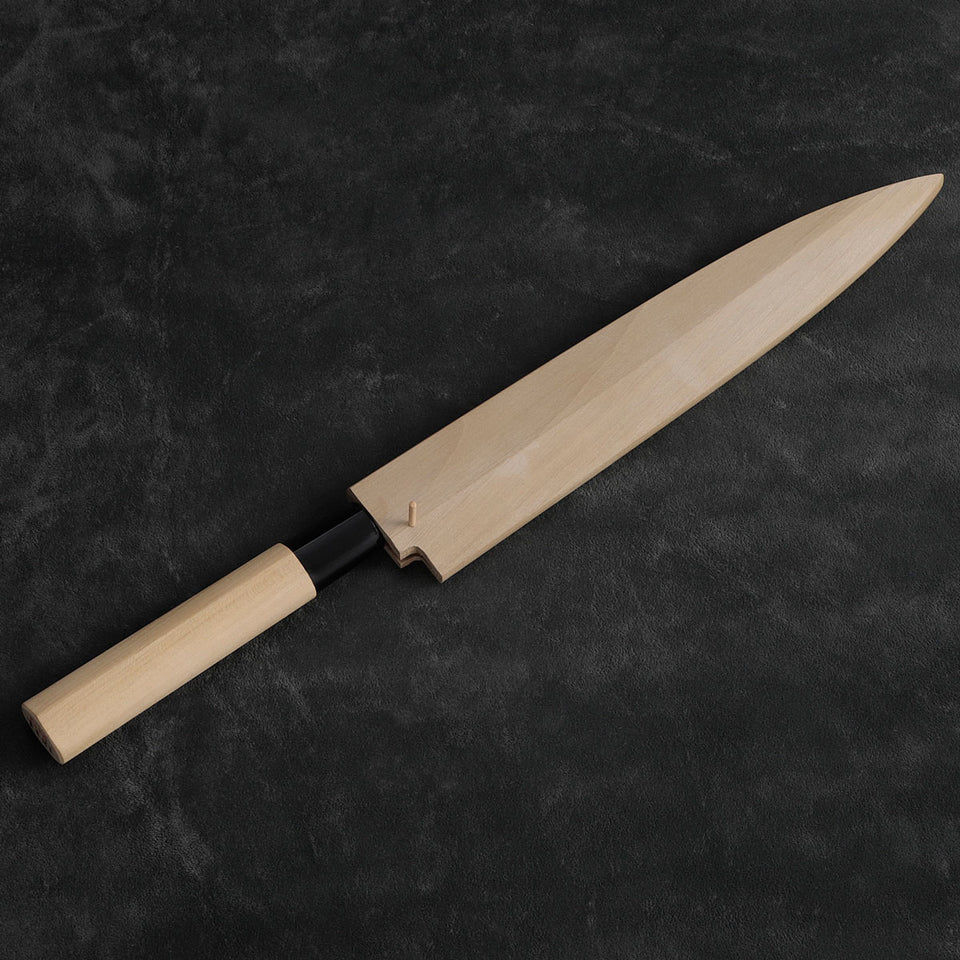
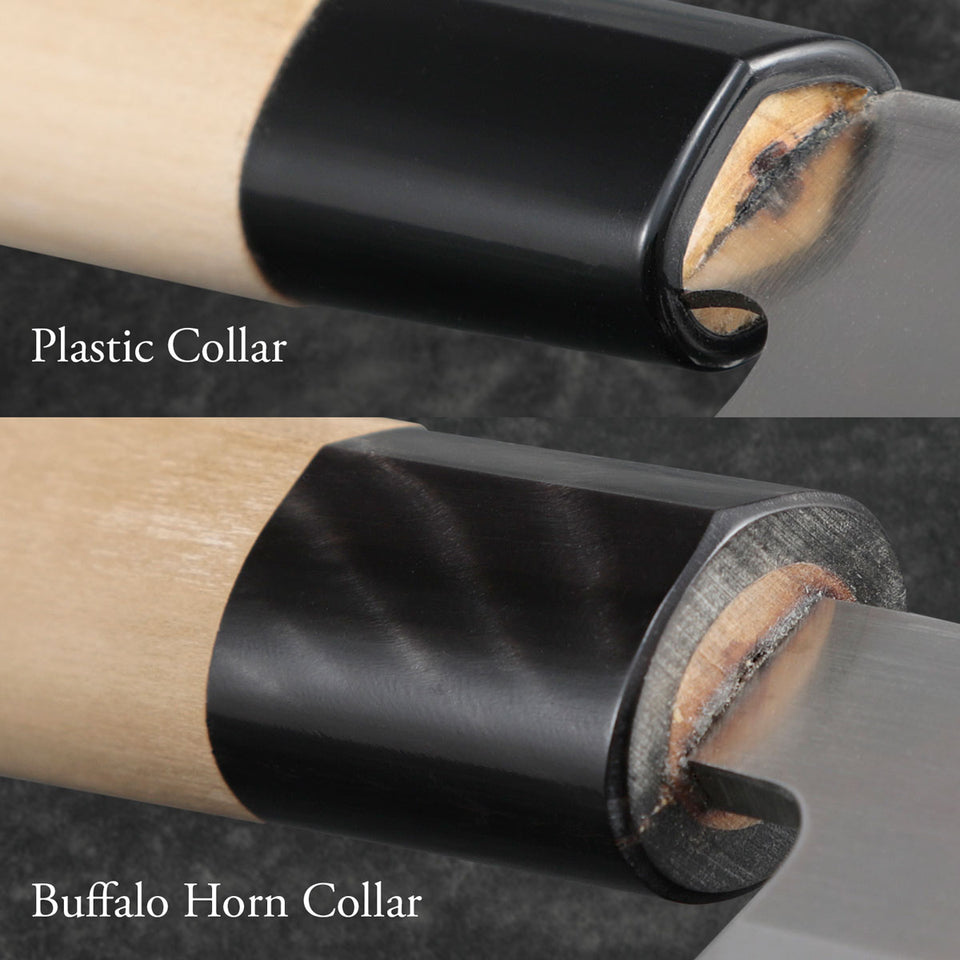
The Yanagiba Sashimi Knife (柳刃 刺身包丁) is crafted for professional-level precision, effortlessly slicing through fish and seafood with clean, flawless cuts. Its long, thin blade and acute angle allow for smooth, single-stroke draw-cuts that minimize tearing and preserve the delicate texture of the fish, making it an essential tool for sushi and sashimi chefs or enthusiasts aiming to perfect their craft. Hand-forged by master bladesmiths using ancient techniques combined with modern technology, each knife is a work of art that enhances the appearance, taste, and texture of every dish. Available with blade lengths ranging from 210mm to 300mm, the Yanagiba features a traditional Japanese magnolia wood handle with options for a plastic or buffalo horn collar, and offers blade choices of CM Stainless, Kasumi Superlative Carbon Steel, or Honyaki Carbon Steel for those seeking the highest caliber of sharpness and craftsmanship.


Related Articles You May Be Interested

Everything You need to know about Gyuto Knife
Knives for Sushi at Home
Everything You need to know about Yanagiba Knife
The Differences Between the Gyuto, Santoku, and Bunka
5 Best Japanese Chef Knives for Plant-Based and Vegetarian Kitchens: Featuring Opinions from real-life experts on Japanese knife

Get Free Bonus Books

Join Japanese Knife Club

Sign up for free to the Japanese Knife Club to get advice and exclusive articles about how to choose Japanese Knives, and tips and tricks for using Japanese knives.

Unsubscribe anytime. It’s free!

About the author

Kei Nishida

Kei Nishida

Author, CEO Dream of Japan

info@japanesegreenteain.com

Certifications: PMP, BS in Computer Science

Education: Western Washington University

Kei Nishida is a passionate Japanese green tea connoisseur, writer, and the founder and CEO of Japanese Green Tea Co., a Dream of Japan Company.

Driven by a deep desire to share the rich flavors of his homeland, he established the only company that sources premium tea grown in nutrient-rich sugarcane soil—earning multiple Global Tea Champion awards.

Expanding his mission of introducing Japan’s finest to the world, Kei pioneered the launch of the first-ever Sumiyaki charcoal-roasted coffee through Japanese Coffee Co. He also brought the artistry of traditional Japanese craftsmanship to the global market by making katana-style handmade knives—crafted by a renowned katana maker—available outside Japan for the first time through Japanese Knife Co.

Kei’s journey continues as he uncovers and shares Japan’s hidden treasures with the world.

Learn more about Kei

Related Posts

Exciting News: We Acquired the History of Katana YouTube Channel!

Welcome to the famed History of Katana YouTube Channel—unlocking rare stories, epic blades, and what comes next. Curious

Read More
OC Japan Fair Fall 2025 Recap (October 17 - 19 2025)

We were thrilled to return to OC Japan Fair 2025—the biggest Japan-themed event in SoCal! Here is a recap video from the

Read More
Japanese Single Bevel Knife vs Thai Cleaver

Uncover the legacy behind Japan and Thai`s finest blades—crafted with centuries‑old secrets and passion. Discover each u

Read More
Leave a comment

Your email address will not be published..

Your cart is currently empty.

Start Shopping

Select options